on Tripadvisor


For many travellers, a first safari in Tanzania is about experiencing the country’s most iconic highlights. Witnessing the Great Migration, exploring the Ngorongoro Crater, spotting the Big Five, or standing beneath Mount Kilimanjaro are unforgettable milestones.
Yet those who return often discover that Tanzania’s greatest rewards lie beyond the bucket list. A second visit offers the chance to slow down, venture into lesser-known regions, and experience the bush with more intent.
With each return safari, Tanzania reveals new landscapes, wildlife encounters, and perspectives. This makes it a destination that continues to inspire long after the first safari ends.

Why a Second Safari in Tanzania Feels Completely Different
While a first safari is often shaped by must-see attractions and wildlife checklists, a return visit allows for new perspectives. With the major highlights already enjoyed, the focus shifts towards immersion and discovery of the country’s extraordinary wilderness.
Trading bucket lists for meaningful moments
Most first-time visitors arrive with a list of experiences they hope to tick off. A second safari in Tanzania, however, is less about achieving goals and more about embracing the journey itself. Instead of rushing between destinations and sightings, you can spend longer in places beyond the traditional safari circuit.
From watching elephants move silently across the plains to enjoying quiet sunsets, the emphasis shifts. Rather than seeing more it is now on experiencing more and deeper. It is an approach that enables a real connection with the landscape, wildlife and people.
Slowing down and appreciating the details of the bush
The greatest luxury on a repeat safari is not necessarily seeing more animals, but having the time to appreciate them. Returning often allows you to discover the beauty that lies hidden in the smaller details.
The behaviour of a herd of elephants, the call of birds at dawn, changing light across the landscape: The intricate relationships between different species, the impact of different seasons, they all become part of the experience.
A second safari in Tanzania becomes less about sightings and more about observation: If you choose to spend several nights in one location you’ll start feeling a deeper connection with the environment. You’ll get to understand the rhythms of the bush, from eerie sounds at night to early-morning activities.
Building on knowledge from your first safari
On a return safari, Tanzania pulls out all the stops, as your experience will be enriched by everything learned previously. Familiarity with wildlife behaviour, ecosystems, and safari etiquette allows you to engage with your environment in a different way.
Instead of solely focusing on different species, returning guests want to understand interactions, habitats, and conservation challenges. Instead of ticking off the Big Five, they are ready to explore more specialised experiences like tracking chimpanzees in Mahale. They are ready to venture further, ready to explore remote wilderness areas such as Ruaha and Nyerere National Parks.
With a stronger foundation and greater confidence, returning visitors are able to appreciate the complexities and intricacies of the bush. Looking Beyond the Big Five
One of the biggest changes that occurs on a second safari in Tanzania is a shift in perspective. While the Big Five remain impressive, returning travellers often discover that some of the most memorable encounters involve lesser-known species.
Why a gerenuk or serval can be as exciting as a lion
A first safari is often about experiencing the thrill of seeing the Big Five or witnessing the Great Migration. However, on a repeat safari in Tanzania, guests often begin to appreciate the rarer and more elusive species.
Spotting a graceful gerenuk standing upright to browse from thorny bushes can be every bit as rewarding as seeing a lion. So can catching a glimpse of a secretive serval moving through the grass or spotting a nocturnal civet. Such encounters often require patience, knowledge, and a keen eye – all of them aspects that make them especially satisfying.

Birdlife, reptiles and insects become part of the safari
Visitors on a second safari in Tanzania often find themselves paying greater attention to the smaller creatures of the ecosystem. Unlikely as it may seem, colourful bee-eaters, majestic birds of prey, and fascinating insects all add to the safari experience.
Rather than focusing on large mammals, returning safari guests begin to appreciate the complexity and interconnectedness of the natural world. This broader perspective reveals details that are often missed during a first visit, thus adding depth to every game drive.
Spending more time observing animal behaviour with your guide
A repeat safari allows travellers to spend less time searching for animals and more time observing them. Skilled guides help interpret behaviours, social dynamics, and interactions that might otherwise go unnoticed.
Watching lions interact, observing elephants within a family group, or following a cheetah’s hunting strategy can be endlessly fascinating. Taking time to linger leads to deeper insights that transform wildlife viewing. Instead of experiencing a simple sighting you’ll gain a richer understanding of how animals survive and thrive within Tanzania’s ecosystems.
Northern Serengeti: Rediscovering beyond the Migration
Although the Northern Serengeti is famous for the Great Migration, there is far more to this region than river crossings. Repeat travellers are often drawn to its quieter atmosphere, and exceptional wildlife viewing. Here, they have the opportunity to experience one of Africa’s most celebrated landscapes without the crowds found elsewhere.
Kogatende – vast landscapes, fewer vehicles and exceptional wildlife viewing
Kogatende is best known as one of the prime locations for witnessing the Great Migration. Yet, its appeal extends well beyond this seasonal spectacle. The region’s vast open plains, rolling hills, and river systems support exceptional wildlife throughout the year.
Compared with some of the Serengeti’s busier areas, game drives here often feel more exclusive: There are fewer vehicles, which immediately leads to a greater sense of wilderness. Lions, leopards, elephants, and large herds of resident wildlife can all be found in the area.
For repeat visitors, Kogatende offers the opportunity to experience the Serengeti in a more relaxed and immersive way.
Lamai Wedge – one of the Serengeti’s hidden gems for seasoned safari travellers
Situated between the Mara River and the Kenyan border, Lamai Wedge is regarded as one of the Serengeti’s best-kept secrets. The region combines dramatic rocky outcrops, sweeping grasslands, and excellent year-round wildlife viewing. Its relative remoteness means visitor numbers remain low, creating an atmosphere of exclusivity and tranquillity.
Predators are frequently encountered, while the landscapes themselves are among the most beautiful in the entire ecosystem. For visitors on a return safari in Tanzania, Lamai Wedge offers an exciting contrast to the more familiar safari areas.
Why repeat travellers appreciate staying longer in one area
In an effort to experience as much as possible, many first-time visitors move quickly between destinations. Returning travellers on a second safari in Tanzania, however, often choose to spend several nights in a single area. Staying longer allows them to better understand and read the landscape, wildlife movements, and daily rhythms of the bush.
With each game drive, they’ll discover new details, while guides are able to build on previous sightings and observations. There is also greater flexibility to enjoy leisurely mornings, walking safaris, or simply time spent watching wildlife from the camp.
Another option is to add something special like a balloon safari to enhance the experience even further.

Southern Tanzania: A Different Side of Safari
Southern Tanzania offers a more remote, less-travelled safari experience compared with the country’s northern circuit. Here, vast protected areas, river systems, and untouched wilderness create a sense of true adventure.
For guests on a return safari, Tanzania’s south offers an opportunity to explore the country at its most wild. Here, journeys feel less structured and encounters with nature are often unexpected and deeply immersive.
Nyerere National Park (formerly Selous) – boat safaris and untamed wilderness
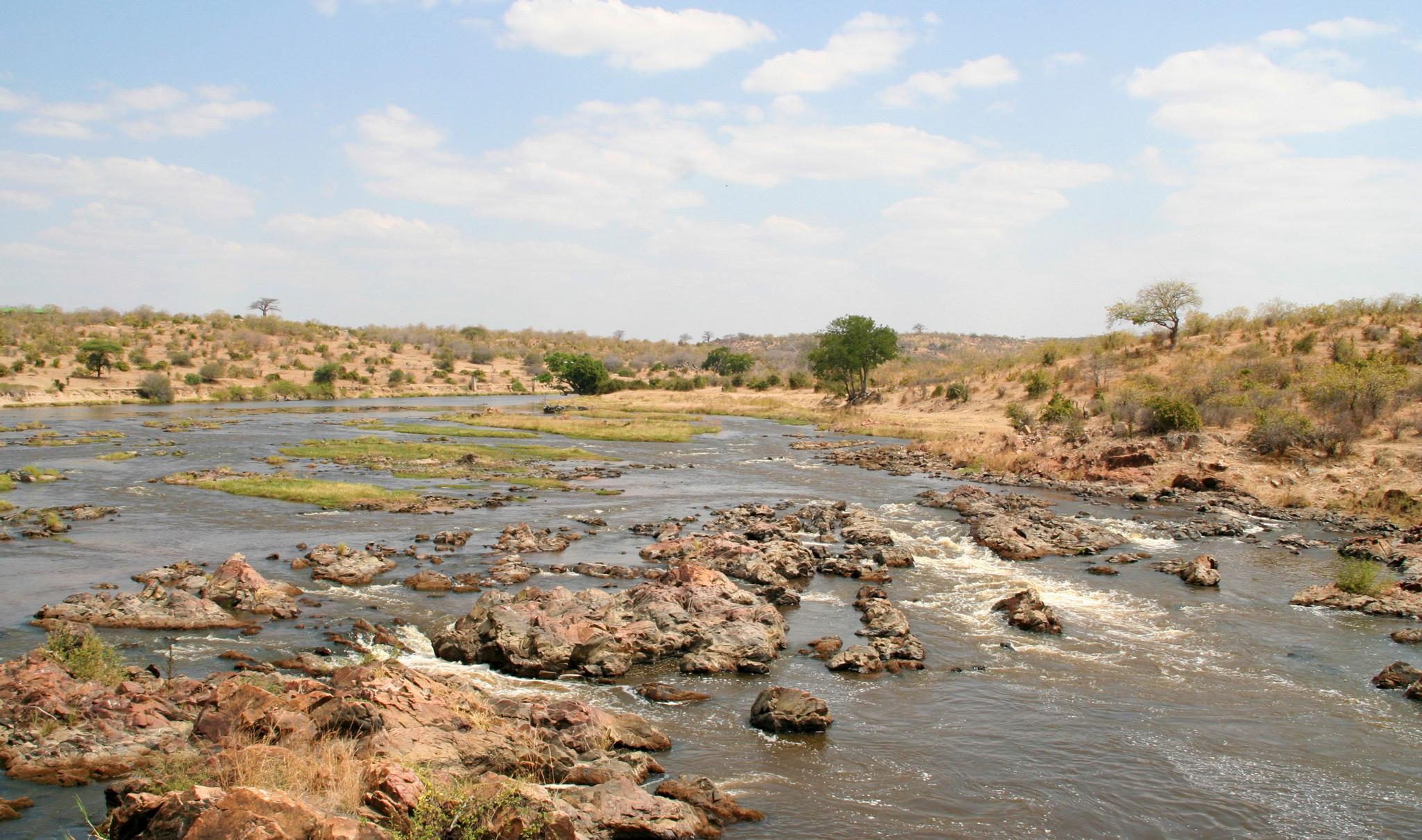
Nyerere National Park, formerly part of the Selous Game Reserve, is one of Africa’s largest protected wilderness areas. Its network of rivers and lakes makes boat safaris a defining feature, offering a unique perspective along the water’s edge.
In addition to game classic drives and walking safaris, the area holds fascinating historical significance. Remnants from WW1 are still occasionally discovered to this day, including horseshoes, ammunition fragments, and old bomb timers.
This fascinating – and unusual – blend of wildlife, history, and raw wilderness creates an atmosphere unlike anywhere else. It is particularly appealing to all those seeking something different on a return or second safari in Tanzania.
Ruaha National Park – baobabs, wild dogs and remarkable predator interactions
Home to one of Africa’s largest elephant populations, Ruaha National Park is defined by rugged landscapes, and ancient baobab trees. It is particularly renowned for its predator populations, including lions, leopards, and the increasingly rare African wild dog.
The park’s vast size and low visitor numbers allow for extended, uninterrupted wildlife viewing, where natural behaviours unfold without disturbance. Predator interactions are often dramatic and highly rewarding for those willing to spend time observing.
For returning safari travellers, Ruaha offers a more challenging and rewarding experience. Here, patience is often rewarded with some of the most compelling wildlife encounters in East Africa.
Fewer vehicles, more authentic wildlife encounters
One of the most striking aspects of Southern Tanzania is the sense of exclusivity it provides. Game drives often take place without encountering another safari vehicle for long periods. With far fewer vehicles than the northern parks, you’ll find wildlife encounters to feel much more intimate and authentic.
This reduced pressure on wildlife also means animals behave more naturally, creating richer sightings. For returning visitors, this quieter style of safari offers a welcome contrast to busier regions. It emphasises quality of experience over quantity of sightings, thus fostering a deeper connection with nature.

West Kilimanjaro: One of Tanzania’s Best-Kept Secrets
West Kilimanjaro remains one of Tanzania’s most understated safari regions. Beneath the shadow of Africa’s highest mountain, you’ll find sweeping landscapes and remarkable wildlife experiences. It is a place where conservation, culture, and scenery come together in a unique and peaceful setting, far removed from Tanzania’s busier safari circuits.
Elephant corridors beneath Africa’s highest mountain
West Kilimanjaro is known for its vast elephant corridors, where herds move freely across open landscapes framed by Mount Kilimanjaro. These ancient migration routes offer exceptional opportunities to observe elephants in a natural and unhurried environment.
The combination of open plains, acacia woodlands, and distant mountain views creates a striking backdrop for wildlife encounters. Unlike more heavily visited parks, this region remains relatively quiet, allowing for a more personal safari experience. With Kilimanjaro often visible on clear days, you’ll experience a setting that feels both dramatic and serene.
Community conservation and exclusive experiences
West Kilimanjaro is also recognised for its strong community-based conservation initiatives. They play a vital role in protecting wildlife and supporting local livelihoods. On a visit, you can engage with conservation projects, and learn about coexistence between people and wildlife.
This allows you to gain a deeper understanding of the region’s ecological importance. Many experiences here are exclusive and thoughtfully designed, often combining cultural interaction with guided wildlife viewing. This creates a more meaningful connection to the landscape and its communities.
For visitors on a second safari in Tanzania, West Kilimanjaro offers not only exceptional scenery and wildlife. It also provides valuable insight into Tanzania’s evolving conservation story.
Mahale Mountains: Where Safari Meets Adventure
Remote, wild and breathtakingly beautiful, the Mahale Mountains offer one of Tanzania’s most extraordinary safari experiences.
Situated on the eastern shores of Lake Tanganyika, this is a destination where dense rainforest, crystal-clear water and mountains combine. For returning travellers, Mahale feels less like a traditional safari. In reality, it is more like an expedition into one of Africa’s last untouched wildernesses.
Chimpanzee trekking on the shores of Lake Tanganyika
Mahale Mountains National Park is renowned for its exceptional chimpanzee trekking experiences along the shores of Lake Tanganyika. Guided walks lead through thick forest in search of habituated chimpanzee communities, offering an intimate and unforgettable wildlife encounter.
Observing these primates in their natural environment is moving and fascinating, with their complex social behaviour unfolding just metres away. With forested slopes descending towards one of the world’s deepest lakes, the setting itself adds to the magic.
Compared with the classic savannah experiences found elsewhere in Tanzania, chimpanzee trekking in Mahale provides a completely different perspective on wildlife.
Forest instead of savannah
Unlike the open plains that define much of Tanzania’s safari circuit, Mahale is a world of dense rainforest. The landscape is lush and enclosed, creating a completely different atmosphere.
In this dense green environment, sounds carry through the trees and wildlife is often heard before it is seen. Birdlife is abundant, primates dominate the ecosystem, and forest walks replace traditional game drives.
This shift from savannah to jungle offers a striking contrast, perfectly lending itself to a second safari in Tanzania. The area highlights just how diverse the country’s environments truly are. Mahale feels immersive, atmospheric and unlike anywhere else in the country.
Why Mahale is perfect for seasoned safari travellers
Mahale is ideally suited to experienced safari travellers seeking something truly unique. Its remote location, limited access and focus on chimpanzee trekking require time, patience and a spirit of adventure.
In return, visitors are rewarded with rare wildlife encounters in one of Africa’s most pristine environments. The sense of isolation enhances the experience, making each moment feel rather personal and unrepeatable. For those who have already explored Tanzania’s classic safari regions, Mahale offers a refreshing change of pace.

The Luxury of Staying Longer
For visitors on a return safari, one of the greatest shifts in perspective is the decision to slow down. Rather than moving quickly between destinations, the focus is often on spending more time in one place.
Spending three or four nights instead of moving every day
A more relaxed itinerary transforms any safari experience. By spending three or four nights in one location you’ll be able to settle into the rhythm of the bush. When there is no pressure to pack and move on, early-morning drives, unhurried afternoons and extended game viewing become possible.
Wildlife sightings often improve with time, as guides learn guest preferences and animals become more familiar. For returning visitors, this slower approach creates space, eventually leading to greater comfort and an increasing understanding of their surroundings.
Contact our travel experts to discuss tailor-made safari experiences that put the focus on a certain location.
Enjoying the camp as much as the game drives
On many safaris, the camp itself is an essential part of the experience rather than just a place to sleep. Many guests find that time spent relaxing between game drives becomes just as memorable as time in the field.
Thoughtfully designed lodges and tented camps offer comfort, atmosphere and a strong sense of place. Whether you choose camping or lodge safaris, our carefully chosen accommodations are designed to blend seamlessly into their surroundings.
Their design aesthetic is aimed at enhancing the feeling of immersion in the wilderness while still providing understated luxury. It not only makes you feel welcome but cocooned – and you may end up wanting to extend your stay forever.
Sundowners, walking safaris and conversations around the campfire
As the pace of travel slows, the smaller rituals of safari life take on greater significance. From sundowners to guided walking safaris and evenings around the campfire – they all become as important as the wildlife itself.
These slow moments allow travellers to reflect on and share impressions from the day’s sightings. As you share stories with your guides, you’ll gain deeper insights into wildlife behaviour and the bush at large.
The atmosphere is unhurried and social, creating a sense of connection both with nature and with fellow travellers. For many guests, it is these simple yet meaningful experiences that define the true luxury of staying longer in Tanzania.

Building Relationships with Your Guide
One of the most rewarding aspects of a return safari in Tanzania is the opportunity to develop deeper relationships. Over time, the connection with your guide transforms from a formal guiding relationship into something far more personal and intuitive.
The difference between spotting animals and understanding them
On a first safari, much of the focus is on spotting as many animals as possible. This changes once you return for a second safari in Tanzania. With greater familiarity and trust in your guide, attention shifts from simply finding wildlife to understanding it.
Instead of ticking off sightings, you’ll begin to appreciate behaviour, interaction, and context. A lion is no longer just a sighting, but part of a pride with its own dynamics. This more profound understanding creates a more meaningful and memorable safari experience overall.
Tracking behaviour rather than chasing sightings
Experienced guides help (returning) travellers move beyond the rush of chasing individual sightings. Instead of chasing highlights, they put the emphasis on following patterns of behaviour and anticipating wildlife movements.
This might involve observing how a herd of elephants responds to water sources or tracking predator activity over time. The experience becomes less about chance encounters and more about informed observation. With patience and insight, a return safari in Tanzania will allow you to see the bush as a living system.
Learning to read the bush
With time and repeated exposure, you’ll start to develop a more intuitive understanding of the bush. Our experienced guides teach guests how to interpret tracks, calls, wind direction and subtle environmental cues that indicate wildlife presence.
This skill transforms the entire safari experience, allowing guests to anticipate events rather than simply react to them. Learning to read the bush adds confidence and a sense of connection. You will soon see that what once seemed like an empty landscape gradually becomes rich with information and possibility.
Frequently Asked Questions About a Repeat Safari in Tanzania
Is a second safari in Tanzania worth it?
Yes, a second safari in Tanzania is often even more rewarding than the first. While initial visits typically focus on iconic highlights like the Serengeti and Ngorongoro Crater, returning allows travellers to slow down.
With fewer “must-see” pressures, there is more time to appreciate wildlife behaviour, landscapes, and quieter regions. Many guests also discover new areas such as southern Tanzania or less-visited parts of the north. These discoveries make a return journey feel fresh, personal, and more immersive.
Which areas are best for returning safari travellers?
Returning safari travellers often benefit from exploring regions beyond the classic northern circuit. While the Serengeti remains exceptional, areas like Ruaha, Nyerere, West Kilimanjaro, and Mahale Mountains offer more remote and varied experiences.
These destinations stand out due to fewer vehicles, different ecosystems, and a stronger sense of wilderness. They are ideal for travellers seeking something new while still enjoying excellent wildlife viewing. On a return safari, Tanzania allows combining familiar highlights with lesser-known regions to create a balanced and rewarding itinerary.
Should I revisit the Serengeti or explore southern Tanzania?
Both the Serengeti and southern Tanzania offer distinct advantages, depending on what you want from your return safari. Revisiting the Serengeti allows for exploration of regions in the north or west, where wildlife patterns change throughout the year.
Exploring southern Tanzania, meanwhile, introduces a completely different safari experience. Its vast wilderness areas combined with fewer vehicles leads to a more off-the-beaten-track feel. Many travellers returning for a second safari in Tanzania choose to combine both. This creates an itinerary that balances iconic landscapes with more remote and adventurous destinations.
How many nights should I stay in each safari area?
For a return safari, spending more time in each location is highly recommended. Ideally, allow at least three to four nights per area to fully appreciate the environment and wildlife.
This slower pace reduces travel fatigue and increases the chance of exceptional and memorable sightings. It also allows guides to build on previous game drives and tailor experiences more closely to guest interests.
Longer stays encourage a deeper connection with each destination, making the overall safari feel more relaxed and immersive.
What wildlife experiences appeal most to repeat safari guests?
Repeat safari guests often look beyond simple sightings, putting more emphasis on behaviour and interaction. Predator-prey dynamics, migration patterns, and extended observation of individual animals become particularly fascinating.
Experiences such as walking safaris, chimpanzee trekking in Mahale, and boat safaris in Nyerere also gain popularity. Many returning travellers choose slow experiences like guided walks, photo safaris or balloon safaris over the chase of quick encounters.
This shift in focus transforms the entire experience and understanding the natural world becomes just as important as seeing it.
When is the best time for a return safari in Tanzania?
There is no single best time for a return safari in Tanzania, as each season offers something different. The dry season is ideal for concentrated wildlife viewing. The green season, meanwhile, brings lush landscapes, fewer visitors, and excellent conditions for photo safaris and birding safaris.
For a second safari in Tanzania, many visitors choose a different season from their first visit. This allows them to experience a new perspective on familiar regions. Ultimately, however, the best timing depends on your interests.

Conclusion: Tanzania Rewards Those Who Return
Thanks to its immense diversity, Tanzania is a destination that rarely reveals everything on a first visit. Undoubtedly, iconic destinations such as the Serengeti, Ngorongoro Crater and Mount Kilimanjaro may leave a lasting impression.
However, they are only part of a far richer and more complex story. For those who plan a return safari, Tanzania boasts a remarkable richness of landscapes and wildlife waiting to be discovered.
A second or third safari offers the freedom to slow down, explore new areas and focus on your interests. From venturing into southern Tanzania, spending longer in the Serengeti, or discovering entirely new parks, each journey feels distinct.
Over time, Tanzania shifts from a place you visit into a place you continue to understand. Get in touch now if you are ready to see a different side of Tanzania. Speak to our travel experts on the ground and start planning your return journey today.