on Tripadvisor


Brief, engaging overview of Tanzania as a destination full of surprising stories, rich culture, and extraordinary natural beauty.
Ranging from the snow-capped peak of Kilimanjaro to the sun-drenched shores of Zanzibar, Tanzania is a country of contrasts that offers a truly unforgettable experience.
Not only rich in natural beauty but also in cultural diversity, it is home to more than 120 ethnic groups, each with its own traditions, stories and way of life.
Whether you are after experiencing the Great Migration in the Serengeti, exploring the spice markets of Stone Town, or just revelling in some of the most extraordinary natural beauty, the East African nation is sure to deliver.
Find out more in this article on Tanzania fun facts, where we have compiled some fun facts to offer a deeper look into what makes Tanzania so special – beyond the postcards and travel clichés.
Tanzania Fun Facts – Quickfire Highlights
Tanzania is vast, vibrant and diverse – both in landscape and in culture. The following quick facts offer a useful snapshot for first-time visitors or anyone curious about this remarkable country.
Capital
While Dar es Salaam is the undisputed commercial hub, Dodoma is the purpose-built capital city of Tanzania
Population & Languages
Tanzania has an estimated population of around 67 million that is made up of more than 120 different ethnic groups. While English is one of the two official languages, Swahili being the other, it is only spoken by around 10 to 15 per cent of the population.
Highest & Lowest Points
Reaching 5,895 metres (19,341 feet), Mount Kilimanjaro is not only Africa’s tallest but also the highest free-standing mountain in the world. Tanzania’s lowest point can be found along the shore of Lake Tanganyika with a maximum depth of up to 1,470 metres (4,823 feet), making it one of the deepest lakes in the world.
Area
945,000 km²
Currency
Tanzanian Shilling

The Birth of Tanzania – When Tanganyika and Zanzibar United
Tanzania is one of the few African nations created through a peaceful and voluntary union: On 26 April 1964, the mainland territory of Tanganyika and the island nation of Zanzibar came together to form the United Republic of Tanzania, with the name “Tanzania” being a blend of the two.
Despite their distinct cultural and political identities, the two regions agreed to form a single republic. A merger that not only stands as a rare and symbolic example of post-colonial unity in Africa, but also continues to shape the country’s political landscape today.
The union is commemorated annually on Union Day, a public holiday and national celebration of cooperation and shared identity.
While remaining part of the broader Tanzanian nation, Zanzibar retains a semi-autonomous status, with its own president and legislature.
The Meaning Behind the Tanzanian Flag – Tanzania Fun Facts
Adopted in 1964 to replace the individual flags of Tanganyika and the Sultanate of Zanzibar, Tanzania’s flag is made up of a green and a blue triangle that are separated by a yellow-edged black band.
While green symbolises Tanzania’s vegetation and its vast protected landscapes, blue stands for the Indian Ocean and vast lakes and black represents the Swahili people.
With yellow – or, as some claim: gold – reflecting Tanzania’s wealth in natural resources, such as gold, diamonds, tanzanite, natural gas, uranium, iron ore, nickel, and cobalt, the flag’s design manages to beautifully weave together geography, people, and economy.

Culture & Community – Tanzania Beyond the Safari
While the Swahili culture and language are predominant in Tanzania, the country is home to more than 120 ethnic groups who live together in relative harmony. Among them are the Hadzabe people, believed to be one of the oldest tribes not only in Tanzania but possibly in the world.
Despite this obvious immense diversity, Swahili serves as a unifying thread across the nation. Also known as Kiswahili, it is not just a lingua franca, but a shared cultural heritage that is reflected in music, storytelling, hospitality, and daily life.
Whether in bustling towns or remote villages, a strong sense of community and cultural pride is palpable.
Anyone venturing past the well-trodden safari routes will be rewarded with a glimpse into everyday life that goes beyond the wildlife and into the heart of Tanzanian culture and community.
Wildlife Wonders – More Than Just the Big Five
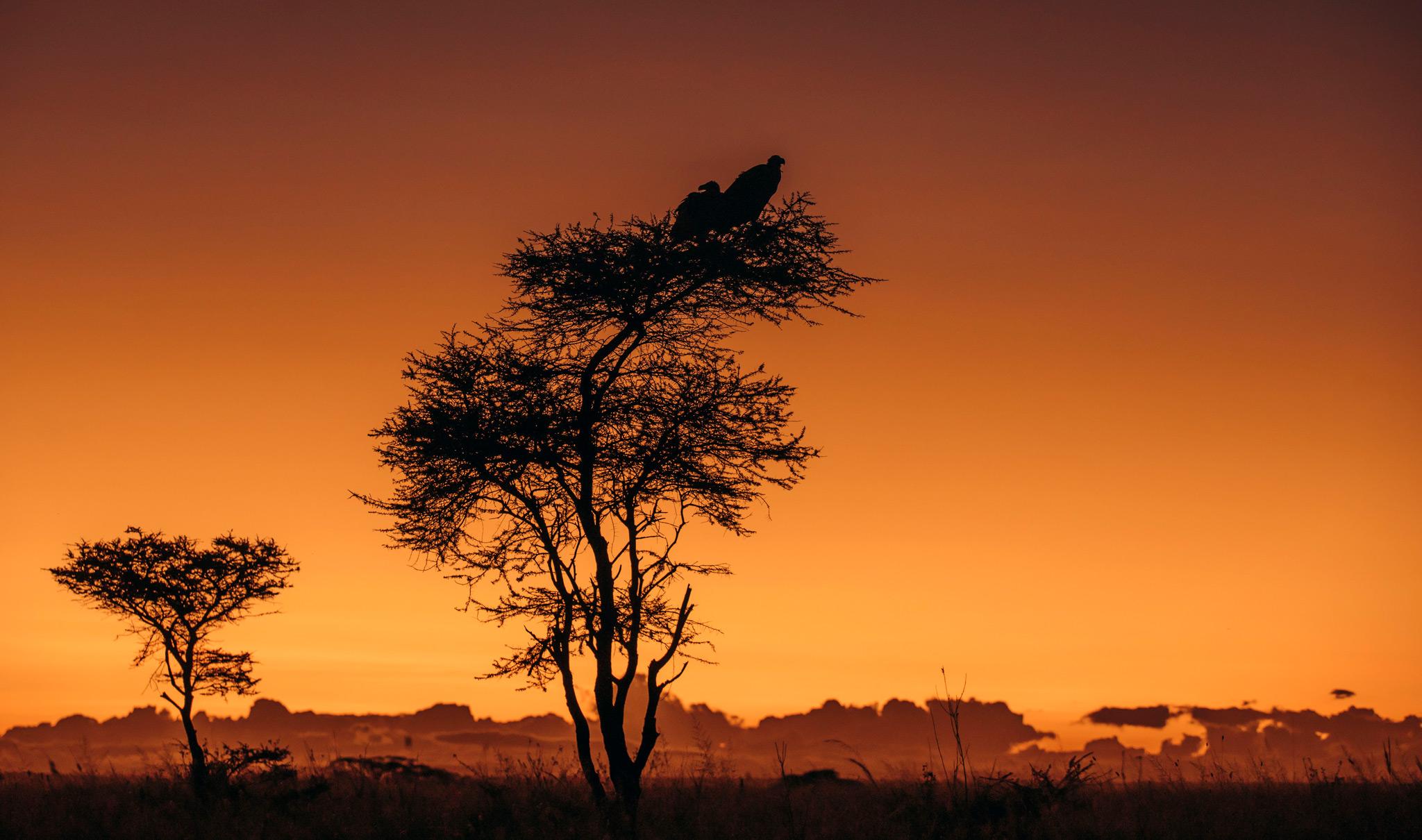
Being home to over 20% of Africa’s large mammal population, Tanzania is one of Africa’s most rewarding safari destinations.
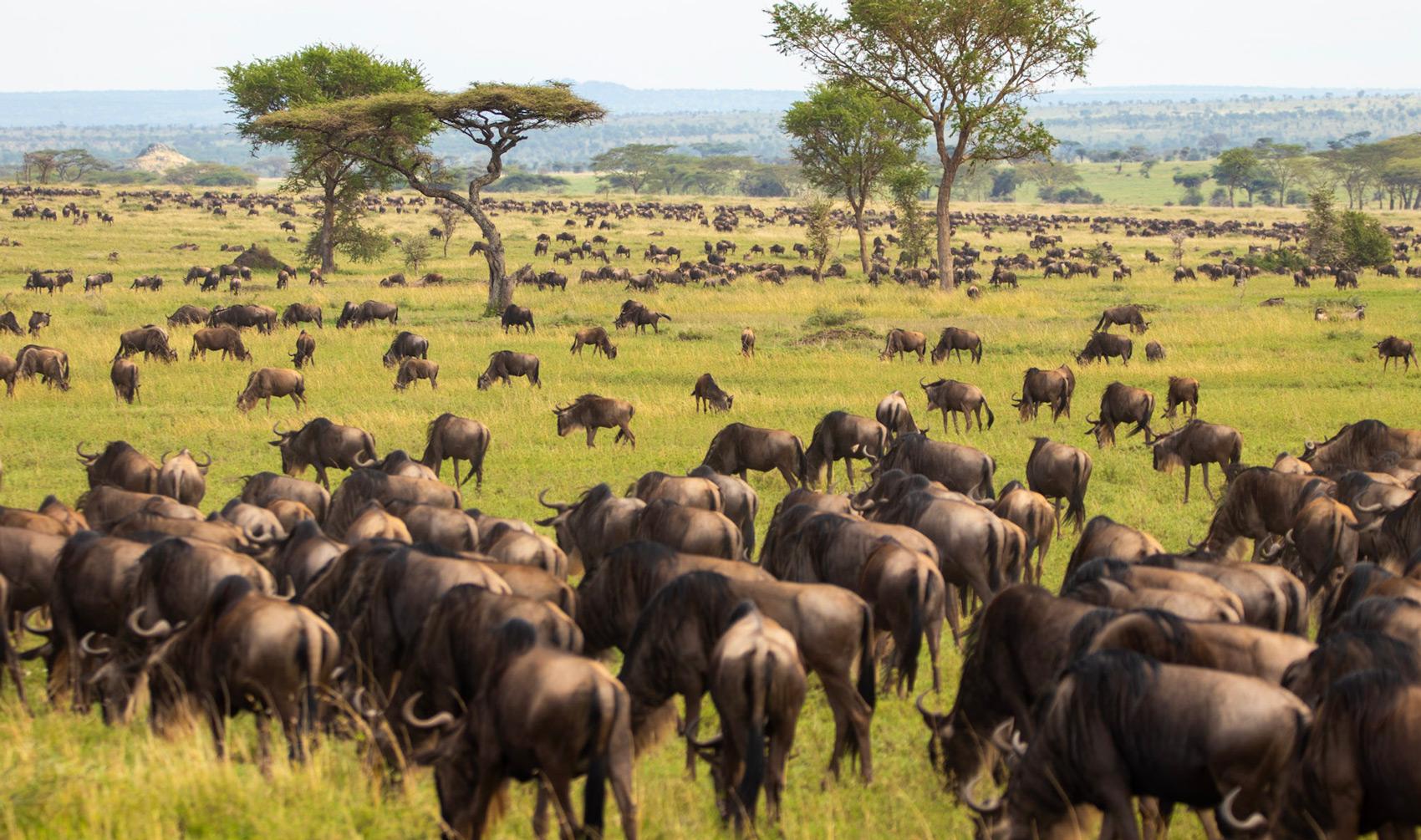
The Great Migration in the Serengeti, where millions of wildebeest and zebras journey across the plains in search of fresh grazing and water, is one of the planet’s last great land migrations and a true natural wonder.
But the wonders don’t stop with large mammals. With over 1,100 recorded species, Tanzania is a paradise for birdwatchers who can encounter anything from flamingos and eagles to rare sunbirds and owls.
Discover it all – with expert guides, and exceptional comfort – on a 7-Day Lodge Safari that includes classic highlights such as the Serengeti and the Ngorongoro Crater.
Extend your adventure with a trip to Zanzibar where you can encounter the Zanzibar red colobus monkey, another rare species, albeit not a winged one, and unique to the island.
Discover Tanzania On These Tours:
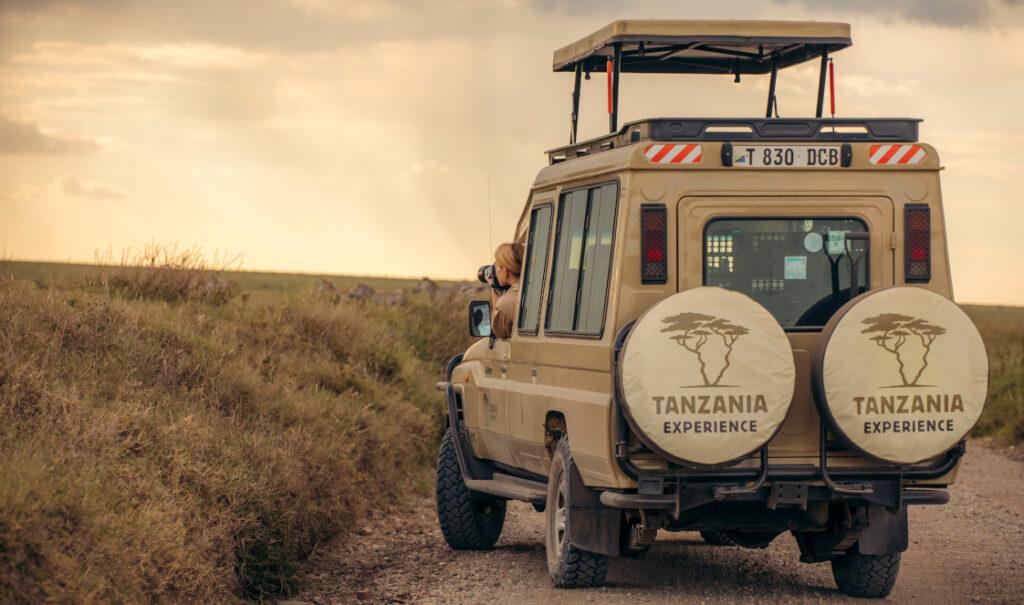
Best of Tanzania Lodge Safari & 6 Nights at Michamvi Sunset Bay on HB
Places Tarangire National Park, Serengeti National Park, Karatu, Ngorongoro Crater, Zanzibar
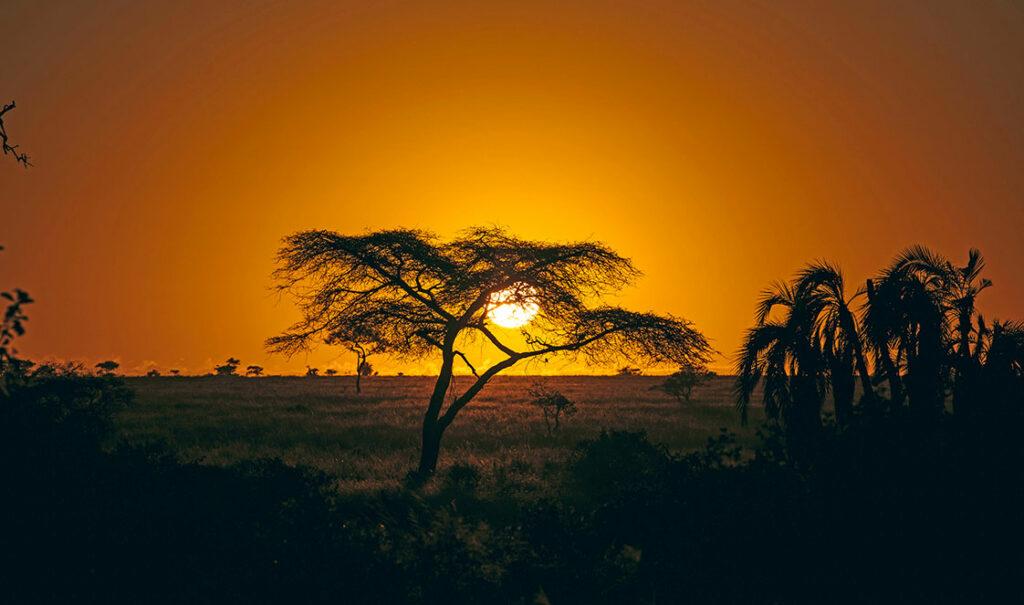
Best of Tanzania and Kenya
Places Tarangire National Park, Ngorongoro Crater, Serengeti National Park, Lake Victoria, Masai Mara Game Reserve, Amboseli National Park
from 6,710 USD per person sharing
Natural Wonders of Tanzania
Tanzania is blessed with an extraordinary range of natural wonders. The Great Migration, where millions of wildebeest, zebras and antelope traverse the Serengeti in search of fresh grazing grounds and water are, without a doubt, one of the planet’s greatest wildlife spectacles.
While the migration happens year round, the best time to go depends on whether you are after witnessing river crossings or calvings, as well as the region you would like to visit – get in touch with our team in Tanzania, to find out more.
Apart from spectacular wildlife encounters, Tanzania wows with some scenic highlights that are in a league of their own. To the north, Lake Natron is an otherworldly lake with caustic red waters.
Despite its harsh chemistry, it is a vital breeding ground for thousands of lesser flamingos, whose pink feathers reflect brilliantly against the blood-red shallows.
Further west, the Ngorongoro Crater – the world’s largest intact volcanic caldera – forms a breathtaking natural amphitheatre teeming with wildlife. The crater offers some of the best year-round game viewing in Africa and can be combined with the Serengeti and Lake Manyara National Park.
“The Wild Side” is the best camping Safari in Tanzania to experience these natural wonders up close, combining immersive nights under the stars with expert guidance throughout the 7-day trip.

Wartime History in the Heart of the Wild – Tanzania Fun Facts
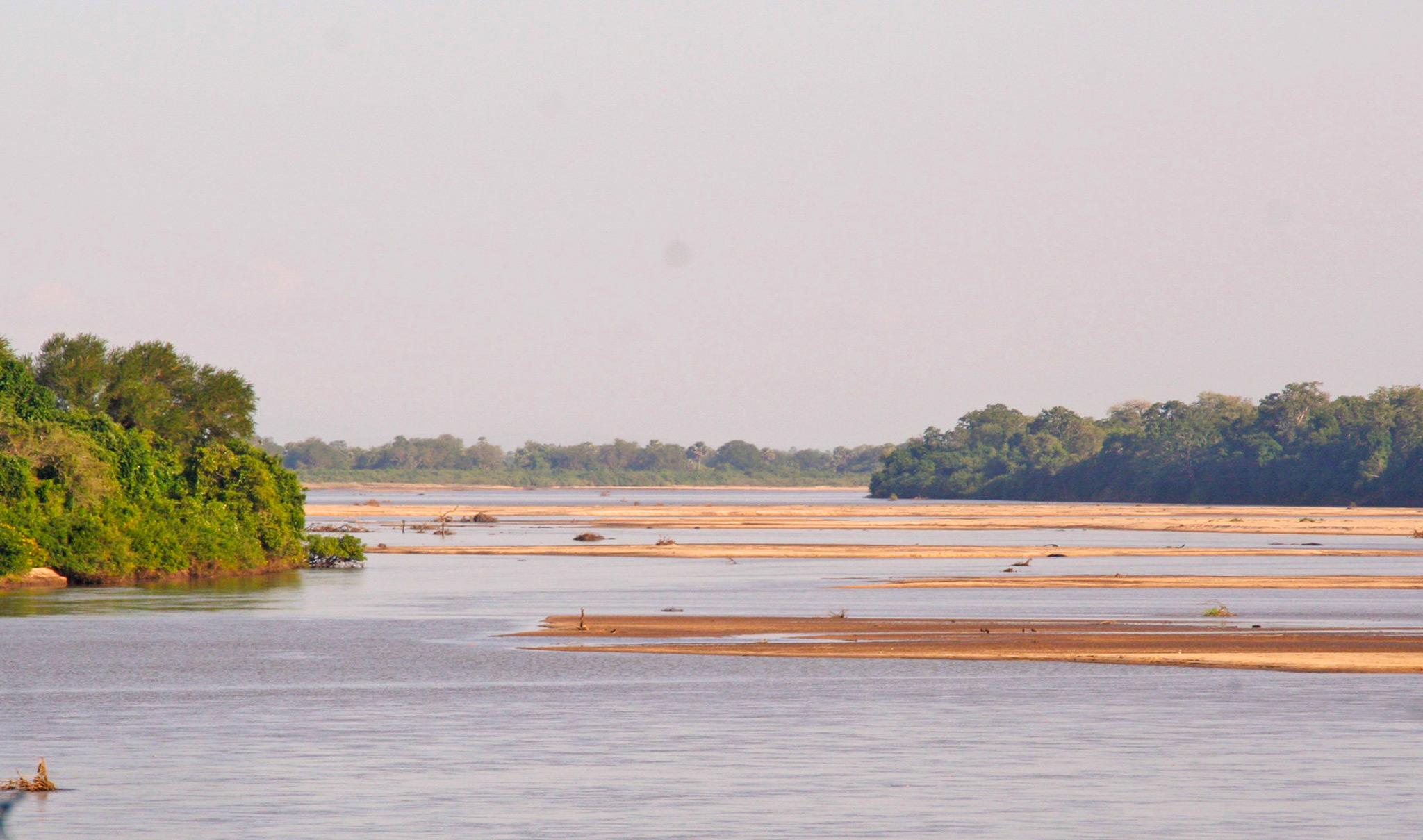
While today it is known for its wildlife and wilderness, parts of Nyerere National Park also hold echoes of a lesser-known past.
Shielded by dense bush and rugged terrain, this remote region became a key strategic route and a battleground for intense confrontations between German and British colonial forces during World War I.
Your knowledgeable guides accompany you as you venture deep into the bush in one of Tanzania’s largest and most remote protected areas.
More than a century after the war, remnants still lie hidden beneath the undergrowth: On a guided nature walk, you might well stumble across rusted bullets, horseshoes, and even bomb timers overgrown with vines and moss.
They stand testament to the region’s historical significance – in a place far removed from the European frontlines.
Contact us if you want to visit Nyerere – which, by the way, was formerly part of the Selous Game Reserve, but renamed in honour of Tanzania’s founding president, Julius Nyerere in 2019.
Our experts will help you design a tailor-made safari that takes in this most unlikely former battle ground, where untamed African nature meets global history.

Mount Kilimanjaro – A Snow-Capped Mountain Near the Equator
As the world’s tallest freestanding mountain and the highest peak in Africa, Mount Kilimanjaro stands at an impressive 5,895 metres above sea level.
What makes it even more remarkable is that its snow-capped summit lies just 330 kilometres south of the equator – a rare and striking natural phenomenon.
Now a UNESCO World Heritage Site, the mountain is made up of three volcanic cones: Kibo (dormant), Mawenzi, and Shira. Despite its height, it does not require technical climbing skills, making it one of the most accessible high-altitude treks in the world.
While the first recorded ascent was in 1889 by German and Austrian climbers Hans Meyer and Ludwig Purtscheller, tens of thousands of hikers from all around the globe have followed their lead.
The glacier-capped summit can be reached via several routes, all of which are passing through a variety of ecosystems – from rainforest to alpine desert.
The Lemosho Route is a lesser known option that requires a certain level of fitness, yet offers amazing scenery combined with fewer crowds and takes seven days in total.

Tanzania Interesting Facts That Might Surprise You
We’ve already mentioned it, but it is a fact that deserves to be repeated: Tanzania is diverse and full of fascinating landscapes and surprises, from geology and gemstones to music and myths. Here are some Tanzania fun facts that might surprise you:
- Legendary Queen frontman Freddie Mercury was born in Zanzibar, Tanzania.
- Tanzania boasts Africa’s largest concentration of ancient rock art, particularly in the Kondoa Rock-Art Sites, a UNESCO World Heritage Site.
- Tanzania is home to forests of fascinating Baobab trees, also known as “trees of life”, as they can live for 1,000 years and longer.
- As the name suggests, the striking blue-violet gemstone Tanzanite is a real Tanzanian: Only found in Tanzania it is said to be 1,000 times rarer than diamonds.
- Lake Tanganyika, bordering western Tanzania, is not only one of the world’s oldest but also one of its deepest lakes – plunging to over 1,400 metres.
- Despite its name, the Ngorongoro Crater is technically a caldera, formed when a massive volcano collapsed in on itself millions of years ago.
Conclusion: Discover Tanzania Beyond the Safari Brochure
We hope you enjoyed our Tanzania fun facts. If you have read this far, you will have discovered that Tanzania has far more to offer than just iconic safaris.
From snow-capped peaks to ancient rock art, rare wildlife to cultural treasures, it’s a country of astounding diversity and depth.
Whether you’re trekking up Kilimanjaro, birdwatching in the wetlands, or wandering through centuries-old markets in Zanzibar, each experience reveals another side of this remarkable land.
Step beyond the brochure and contact our experts on the ground in Tanzania to discover the real Tanzania – wild, welcoming, and full of wonder.