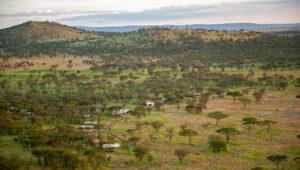
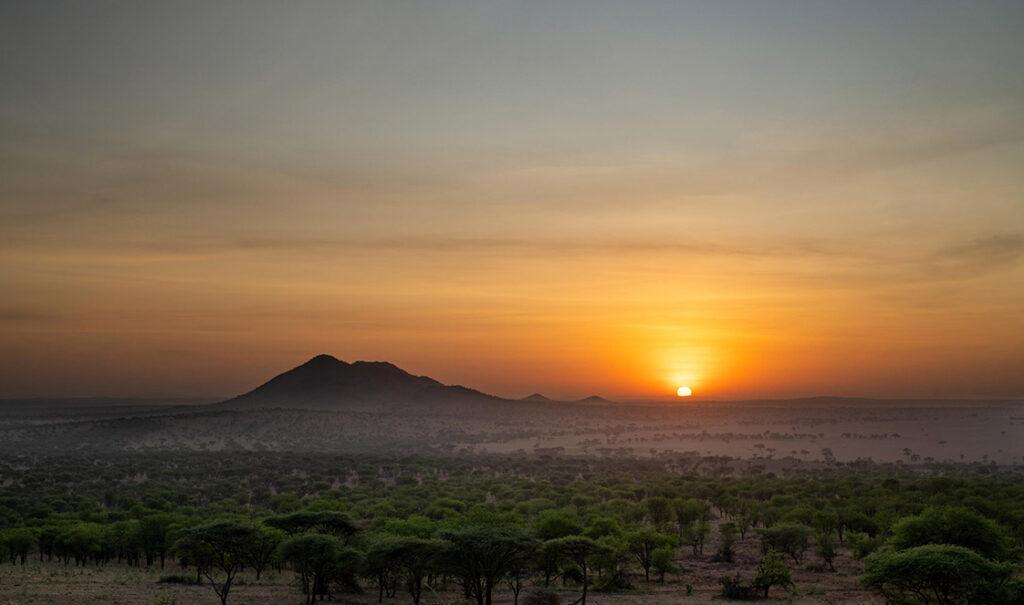
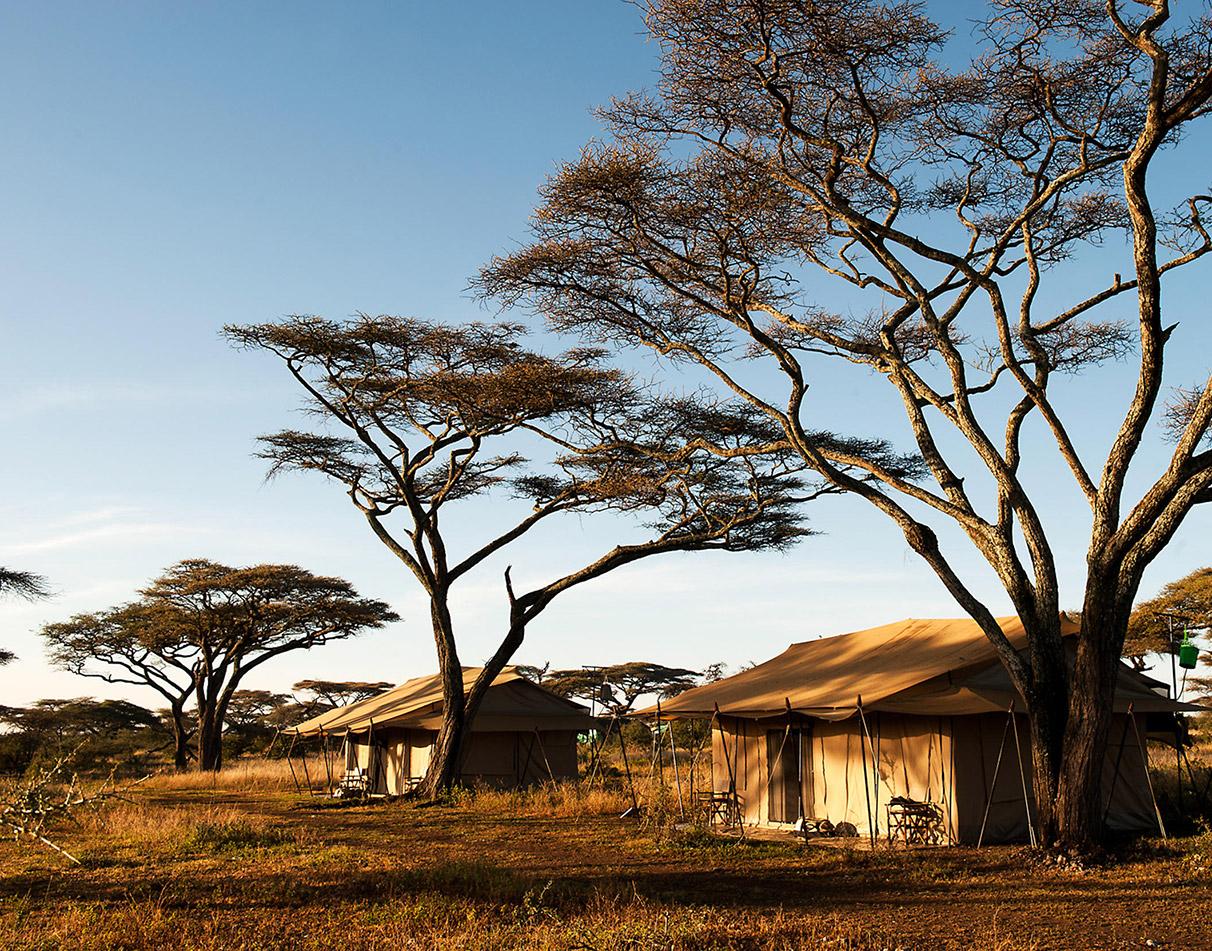
When you think of a classic safari, you probably think of the Serengeti National Park. You are right to do so, as it is one of the most spectacular national parks on the planet.
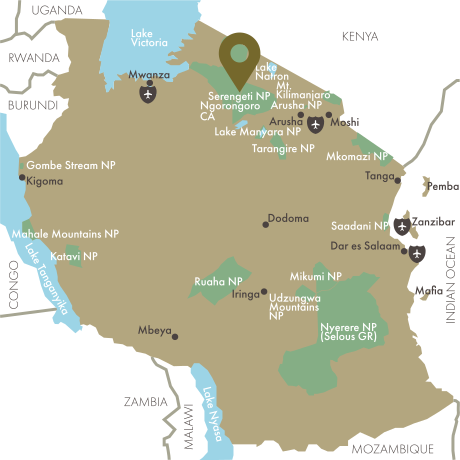
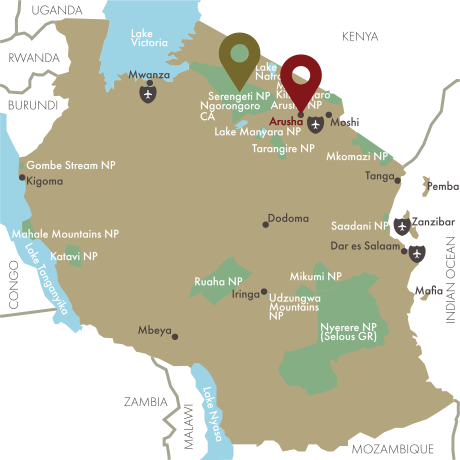
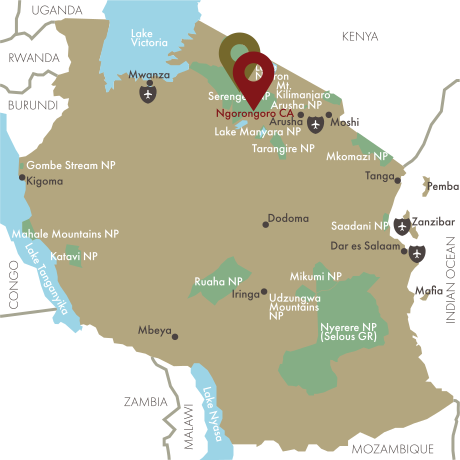
The Serengeti National Park is located in northwest Tanzania. The park and bordering reserves allow for one of the last remaining wildlife migrations on the planet. This wildlife spectacle, the park’s vast numbers of wildlife and its diverse yet beautiful landscapes are a few of the reasons why the park was declared a UNESCO World Heritage Site in 1981.
The Serengeti National Park offers exceptional wildlife viewing all year round, where it is possible to witness the great wildebeest migration and see the Big Five.
The Four Areas of the Serengeti National Park
A glimpse of what to expect.
Central Serengeti
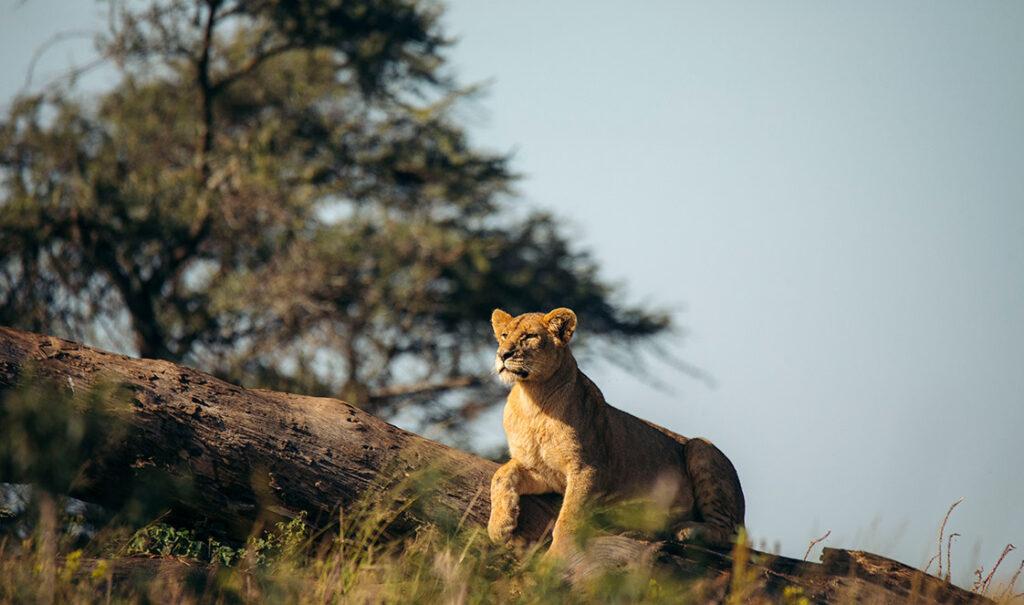
The Seronera Valley is the heart of the park and home to large numbers of wildlife. Spot lions and cheetahs snoozing on the plains in the shade of acacia trees. The Seronera River is lined with Palm, Sausage and Yellow Fever trees. The river attracts numerous birds and animals, including a high population of leopards. At the Retima Hippo Pool, you can see vegetarian giants in their natural habitat.
Southern Serengeti
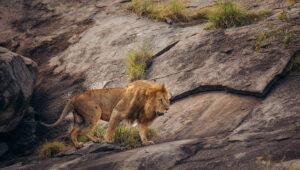
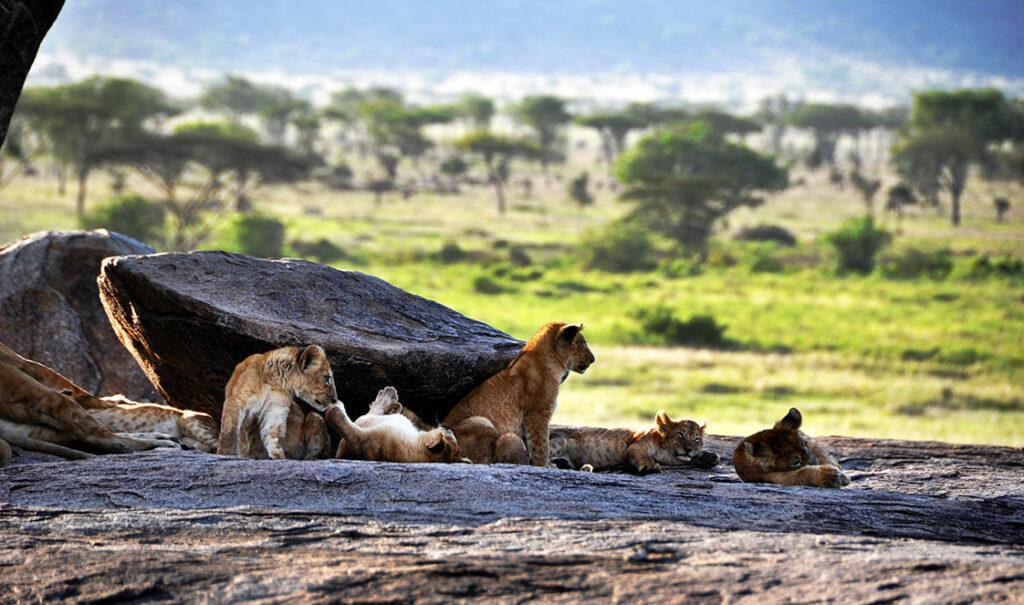
On the southern plains, you will be amazed by the never-ending grasslands and the huge granite formations called kopjes, home to the whole food chain. Kopjes offer the perfect shady resting places, look-outs and nurseries for lions, leopards, cheetahs, and hyenas to name but a few. Other interesting species to look out for, include the rock hyraxes and colourful Agama lizards. All of the kopjes are named. The most commonly known are Simba, Gol, Research and Moru. From January to February the wildebeest calving occurs around Lake Ndutu. Large numbers of predators can be seen during this time.
Western Serengeti
The Western Serengeti stretches almost as far as Lake Victoria. The vegetation changes to wooded savannah and black cotton soils that are impassible in the rainy season. The Grumeti Game Reserve and the Ikorongo Game Reserve border the park and within it run two large rivers: The Grumeti and the Mbalageti River, which both flow into Lake Victoria. The Grumeti River is famous for its river-crossings, huge crocodiles and the rare Patas Monkeys. From mid-May the wildebeest arrive in this area and the Grumeti river-crossing begins.
Northern Serengeti
Northern Serengeti is made up of open woodlands, riverine forests and ranges of hills. The majestic Mara River is located here and is famous for five-metre-long crocodiles and the iconic wildebeest river-crossing, which is at its most spectacular from mid-July. This area is a lot less frequented by visitors, making it a great place for an intimate safari experience.
Animals and birds of the Serengeti National Park
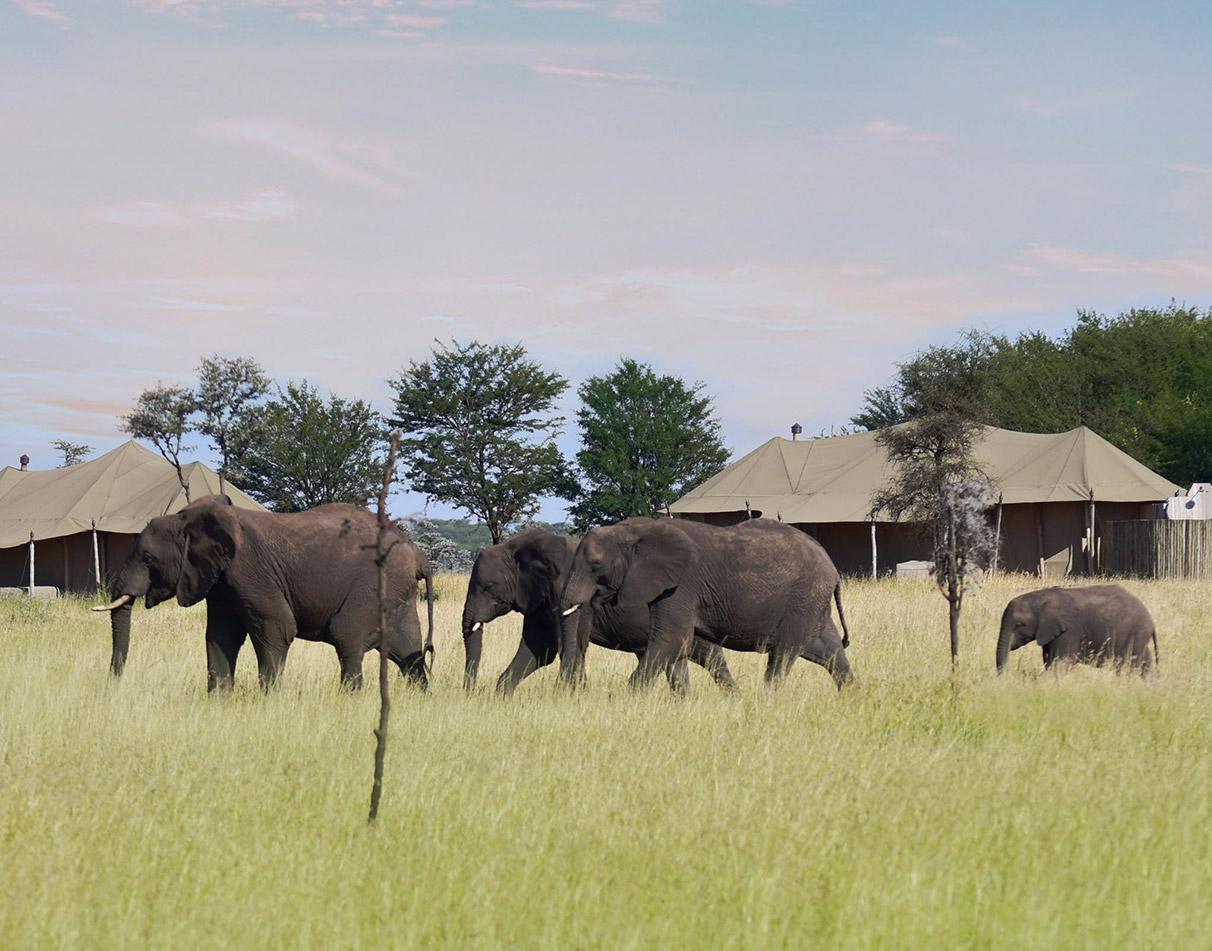
The park is home to the Big Five – lion, elephant, buffalo, leopard and rhino. However, the Black Rhino can be difficult to spot. The Serengeti has a high population of lions, leopards and cheetahs. Buffalo and a growing number of elephants graze on the savannah.
~530 bird species including Secretary Birds, Egyptian Geese, Black Headed Herons, Grey Crowned Cranes, Kori Bustards and Tanzania’s largest populations of Ostrich can be found in the Serengeti National Park.
The Great Wildebeest Migration
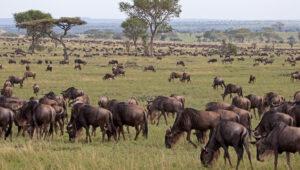
To see ~1.5 million wildebeest in one place is breathtaking. A large number of herbivores attract numerous predators. The drama played out through the plains, and particularly the river-crossings is enthralling.
The wildebeest migration in a snapshot: Visit from June to October to experience the migration in the park. July is the best time to see the river-crossing at the Mara River. But be aware that it will get very busy in the park as well as at the crossing points. For a more intimate safari experience we recommend visiting during the low season or going to more remote areas of the park. The calving season takes place from January to February, whereas the wildebeest rut (mating season) occurs from May to June. Mid-May is the best time to see the river crossing at the Grumeti River. Discover more about our Migration Safaris.