on Tripadvisor


From the window of a small aircraft, southern Tanzania appears to open without end. Forests give way to wetlands, lakes catch the sun, and the Rufiji River winds through the land in broad silver curves.
For long stretches there is no building, fence or road to interrupt the view. Even before the wheels touch the airstrip, Nyerere National Park has begun to reveal its greatest luxury: space.
The Caravan descends towards a narrow strip of earth cut into the wilderness. When the door opens, warm air floods the cabin. You step down into bright sunlight, carrying the smell of dust, dry grass and vegetation. For a moment, there is almost no human sound. There is only an airstrip, a waiting safari vehicle and birdsong arriving from every direction.
Your guide greets you here. Over the coming days, this person will become far more than a driver: tracker, interpreter, storyteller and companion. You climb into the vehicle and set out towards camp, not yet knowing what may be waiting beyond the next line of trees.
For many travelers, Tanzania begins with the Serengeti. Its open plains and migrating herds have shaped the world’s idea of an African safari. But fly south and another Tanzania appears: quieter, greener and governed by water.
What makes Nyerere National Park so different?
Nyerere offers a safari defined by variety and solitude. Instead of one immense grassland, it presents a mosaic of miombo woodland, floodplains, riverine forest, lakes and channels – explored by vehicle, boat and on foot. But Is Nyerere National Park Worth Visiting and what is special about it?
A landscape shaped by water, woodland and palms
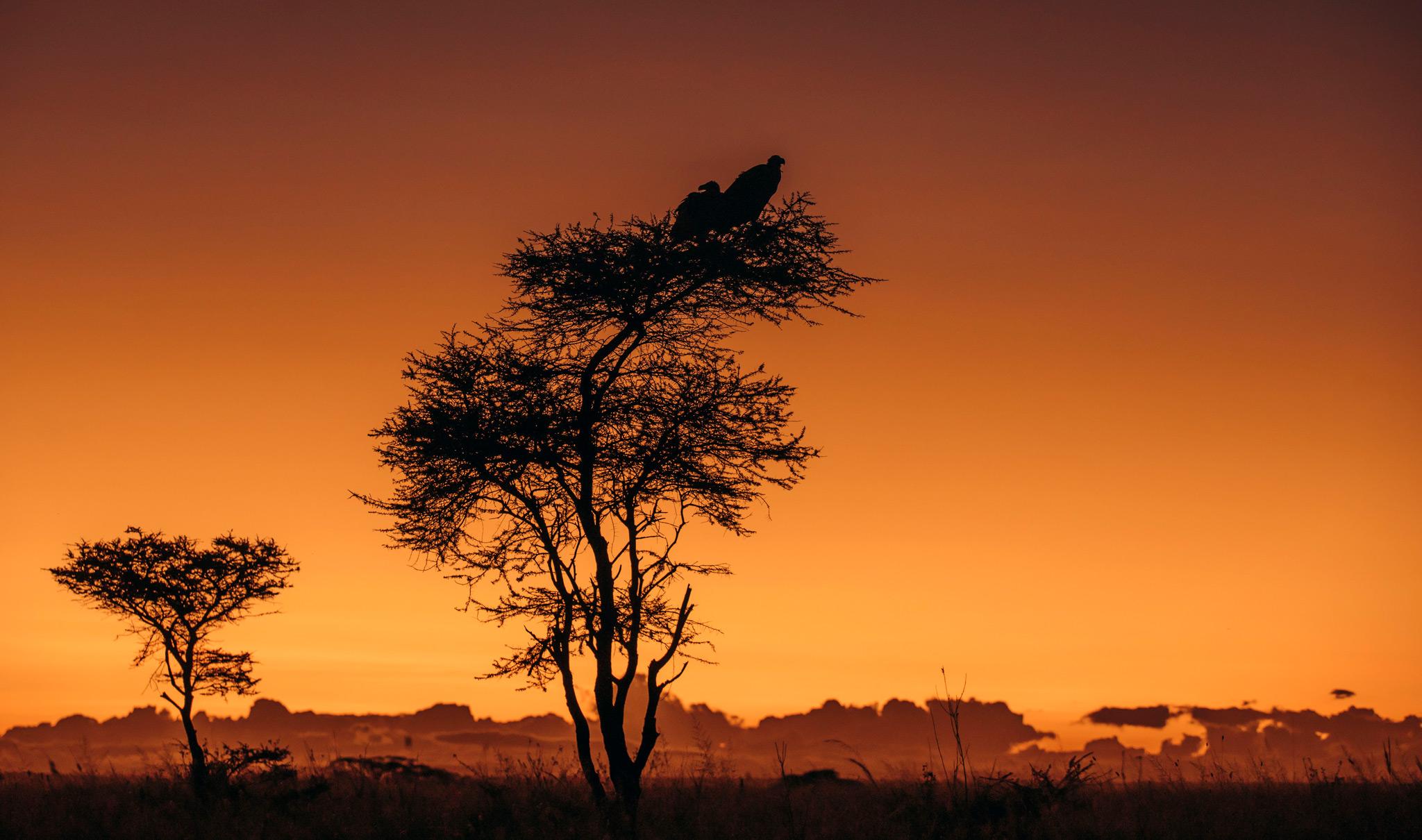
The scenery can change within minutes. A track passes through dense woodland, emerges beside an open plain and then drops towards a lake crowded with waterbirds. Doum palms divide into sculptural branching crowns, while tall borassus palms rise above the floodplains like watchtowers. Their silhouettes give parts of the park an almost prehistoric quality.
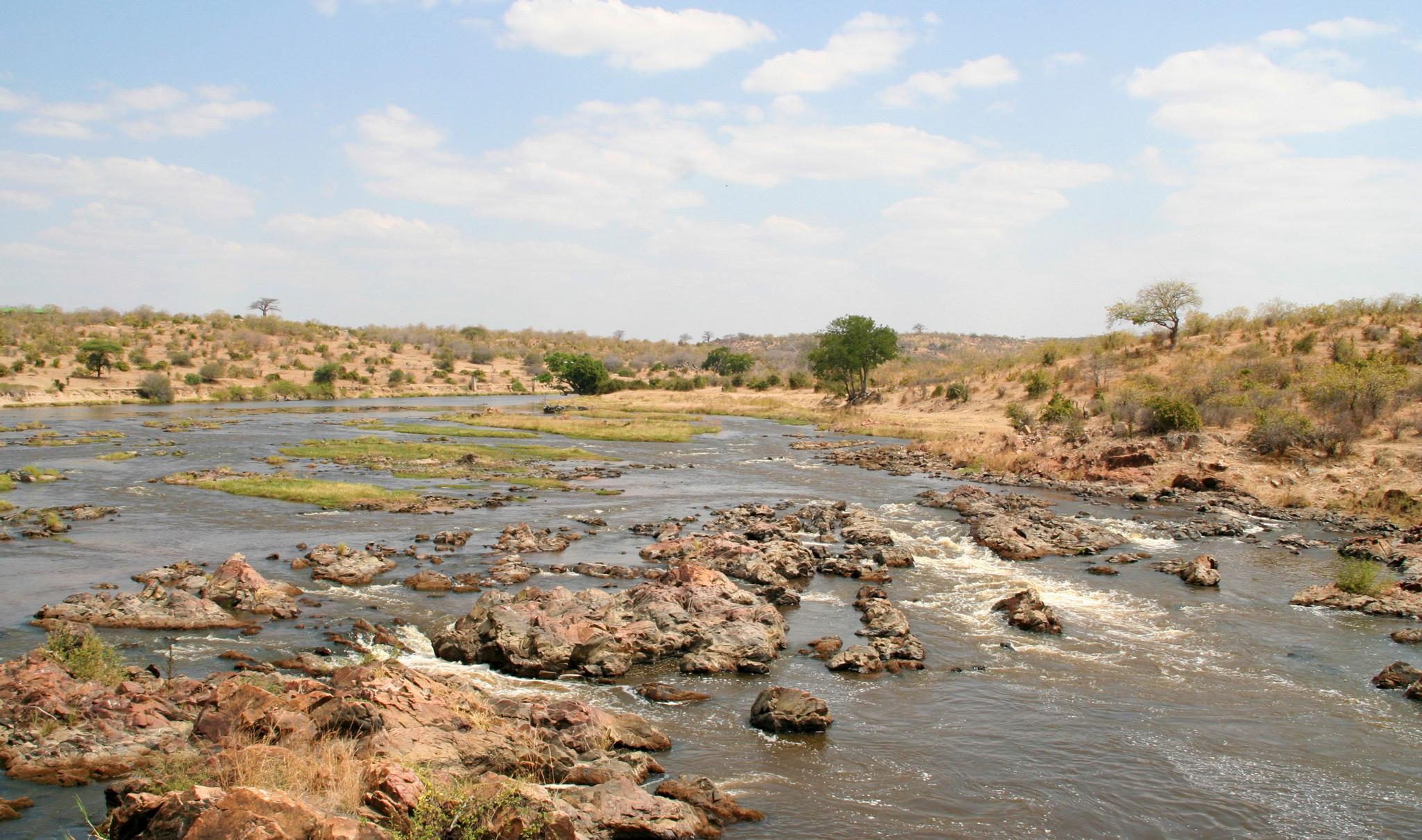
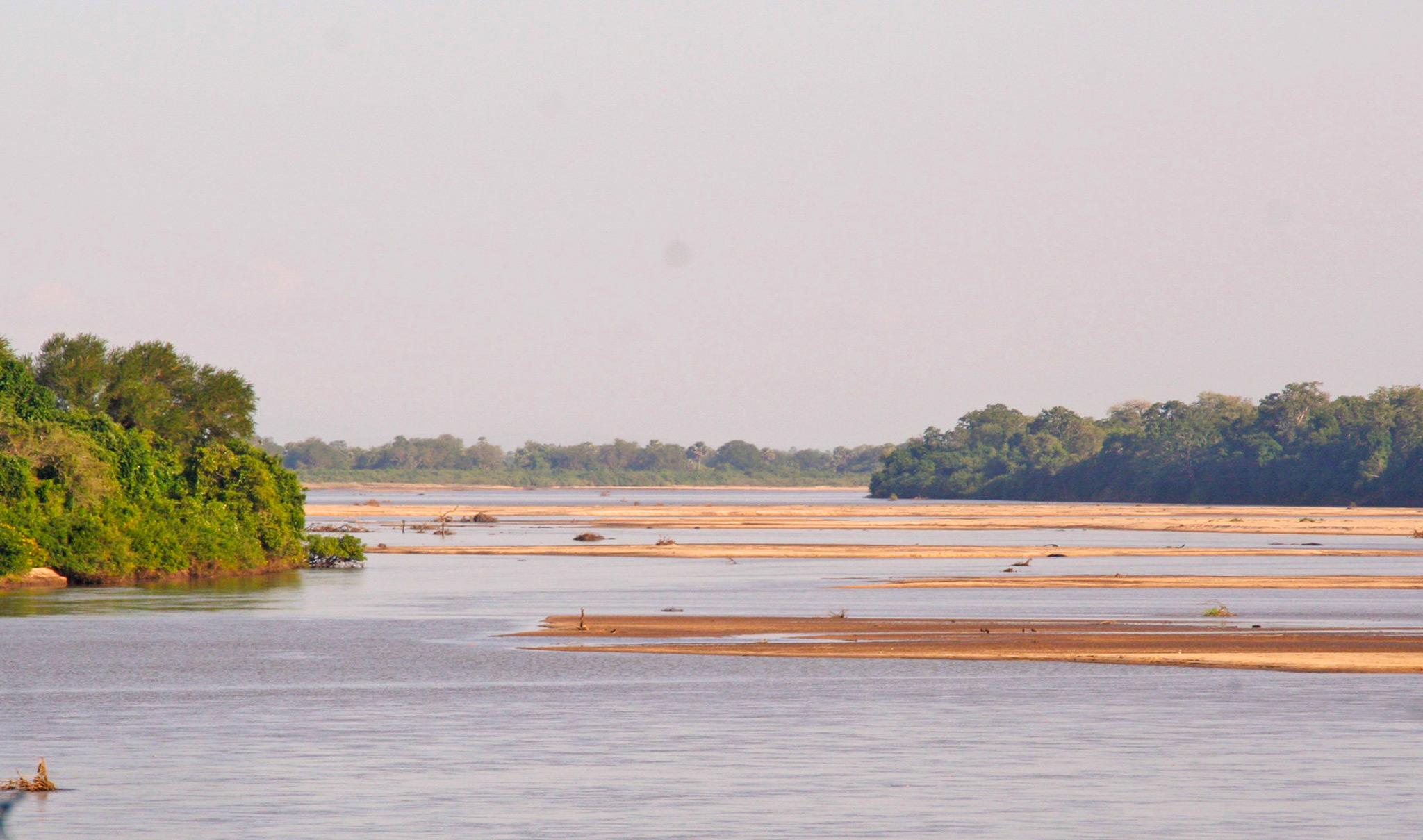
The Rufiji connects these landscapes. Tanzania’s largest river runs through Nyerere in a network of channels, sandbanks and lakes, drawing animals towards permanent water during the dry months.
This is not the stereotypical African savannah. Nyerere is more secretive: trees interrupt the view, the road bends and quiet woodland suddenly opens onto a lake filled with hippos. The park asks you to pay attention.
What changes when no other vehicle is in sight?
Relatively few lodges are scattered through Nyerere’s principal photographic-safari areas. It is possible to spend hours without meeting another vehicle.
That absence changes a sighting. A lion can settle back into the shade without an audience growing around it, and elephants can cross the track on their own terms. Silence is allowed to return.
Individual animals respond differently to vehicles, and experienced guides learn to read those responses. Without a constant stream of radio reports, they rely heavily on their own knowledge and senses.

What does a game drive in Nyerere feel like?
A game drive in Nyerere feels less like following a checklist than a story still being written. The route changes according to tracks, sounds and signs encountered along the way.
A guide who becomes part of the journey
Guests often remain with the same guide, allowing a natural understanding to develop. The guide learns whether you could watch elephants for an hour or follow the possibility of wild dogs until the light fades.
With fewer vehicles and years spent observing the same areas, guides may know Nyerere’s lion prides almost as extended families. They remember cubs from birth, follow changes through generations and recognize individuals by appearance and behaviour.
Over time, the distinct tendencies of a bold cub, watchful lioness or aging male begin to emerge.
This familiarity is built through patient observation. The guide gives the pride space to interact naturally; the story comes from what the lions choose to do.
Good guiding is not simply about naming animals. It is about interpreting the bush. An alarm call may reveal a hidden predator, vultures descending behind the trees may suggest a carcass, and fresh tracks tell who passed during the night.
Sometimes the first clue is a smell. The scent of a carcass can drift across a track before anything is visible. Where prey has fallen, predators or scavengers may still be nearby. A guide follows the wind, studies the ground and watches other animals. The bush is constantly giving information; the skill lies in noticing it.
Lake Tagalala: where the wilderness gathers around water
At Lake Tagalala, the landscape seems to exhale. Crocodiles lie along the banks with ancient stillness. Hippos surface, snort and disappear again, while egrets, herons and kingfishers work the shallows.
Then the call of an African fish eagle carries across the lake, clear, haunting and inseparable from the water. This is where that voice belongs: above a lake alive with birds, reptiles and mammals going about their day, often with no other vehicle in sight.
Water attracts prey, and prey can attract predators. Antelope approach cautiously; giraffes pause before drinking. Somewhere beyond the reeds, lions may wait. Nothing is staged or guaranteed, and that uncertainty makes every sighting feel earned.

What is a boat safari on the Rufiji River like?
A boat safari changes both the pace and perspective of a safari. Instead of looking across the landscape from a vehicle, you move quietly through it at water level, following the curves of the Rufiji and watching life gather along its edges.
Seeing the wilderness from the waterline
From the boat, details become vivid. A crocodile slips from a sandbar without making a splash. A hippo shows only its ears, eyes and nostrils before sinking. Bee-eaters flash past, and fish eagles watch from exposed branches.
Elephants may appear to drink while antelope wait at the vegetation’s edge. The guide reads the water as carefully as tracks on land, knowing where hippos gather and how much distance to keep.
There is also time simply to drift. The engine quietens, the current takes over and the river becomes the soundtrack. After the movement and concentration of a game drive, the stillness feels almost meditative.
Breakfast on a sandbank
On certain morning boat excursions, breakfast can be carried into the wilderness. The boat noses towards a sandbank and, after the guide has checked the surroundings, everyone steps ashore.
Coffee tastes different beside the Rufiji. So does fresh fruit eaten with bare feet in cool sand while hippos call from a distant channel. The table may be simple and the stop temporary, but the setting makes it feel extravagant. There are no walls, no dining room and perhaps no other people for miles, only the river moving past and the knowledge that this small sandbank will eventually be reshaped by water.

Can you explore Nyerere National Park on foot?
On a guided walking safari with a qualified, armed guide and ranger, visitors leave the vehicle behind and discover how much is missed on four wheels.
When every footprint tells a story
On foot, an elephant track becomes a measure of enormous weight, while a lion’s pad in soft earth feels startlingly immediate. Dung, broken branches and rubbed bark reveal who has passed and where they may be heading.
Walking is not about approaching large animals as closely as possible. Its reward is awareness: the direction of the wind, the texture of the ground and the conversations between birds. A guide may identify a medicinal plant or show how termites, fungi and trees sustain one another.
The landscape feels larger and less empty, when every kilometer is covered under your own power. Silence becomes layers of wings, insects, leaves and distant calls.

Why is Nyerere still called the Selous?
Travelers still encounter both names. In 2019, the former Selous Game Reserve was divided: a large part became Nyerere National Park while the eastern section retained the Selous name. The park honors Tanzania’s founding president, Julius Nyerere, but many camps, travelers and guides still use “the Selous” conversationally.
First World War history hidden in the bush
The older name opens a complicated history. Frederick Courteney Selous, a British hunter, explorer, naturalist and soldier was killed at Beho Beho during the East African campaign of the First World War in January 1917. His grave remains beneath the trees.
On guided walks in parts of this landscape, people have discovered spent bullet casings, belt buckles and other objects believed to date from the campaign. These small relics are a reminder that this apparently timeless wilderness has a human past. Soldiers once struggled through the same heat, rivers and dense vegetation that now make the region feel so remote.
Nyerere is not frozen outside time. It has absorbed conflict, conservation, changing names and generations of human stories while continuing to be shaped by animals, seasons and water.

Is Nyerere National Park worth visiting?
For travellers drawn to space, varied landscapes and a safari that unfolds without crowds, Nyerere National Park is absolutely worth visiting. It is particularly rewarding for those who value expert guiding, unhurried wildlife encounters and the freedom to explore by vehicle, boat and on foot.
Is Nyerere suitable for a first or second safari?
For a first safari, Nyerere shows that wildlife travel involves more than game drives: you might track lions by vehicle, watch crocodiles from a boat and examine spoor on foot.
For a second safari, it offers a striking contrast to more familiar parks.
Three nights provide an introduction, but four let the park unfold more gently, leaving room for different activities and unhurried sightings.
When is the best time to visit Nyerere National Park?
Wildlife viewing is generally at its most reliable during the dry season, from June to October, when animals gather around permanent water and vegetation becomes thinner. The greener months bring lush scenery, dramatic skies and rich birdlife, although access and camp openings vary with the rains.
Most visitors arrive by light aircraft from Dar es Salaam or Zanzibar. The flight is not simply transportation. Looking down on the Rufiji, forests and isolated lakes provides the first understanding of Nyerere’s scale and makes the tiny airstrip ahead seem like the only visible doorway into another world.
The Serengeti reveals Tanzania through movement, open horizons and one of nature’s greatest spectacles. Nyerere reveals it through birdsong, water, spoor and silence. One does not need to replace the other.
Beyond the Serengeti lies a safari that moves to a different rhythm: breakfast on a riverbank, the cry of a fish eagle over Lake Tagalala and a guide pausing on a woodland track because the wind carries the scent of something unseen.
Nyerere does not demand attention. It rewards it and that may be why it stays with you long after the aircraft lifts away.

Begin planning your Nyerere safari
Nyerere is a safari of space, variety and unhurried discovery, experienced by vehicle, on foot and from the water, with expert guides who bring its landscapes and wildlife into focus.
Ready to experience Nyerere National Park for yourself? Get in touch with our experienced Travel Experts. They can help you choose the right camp, season and length of stay, and create a journey shaped around the way you want to travel.
Author: Colin Javens