on Tripadvisor


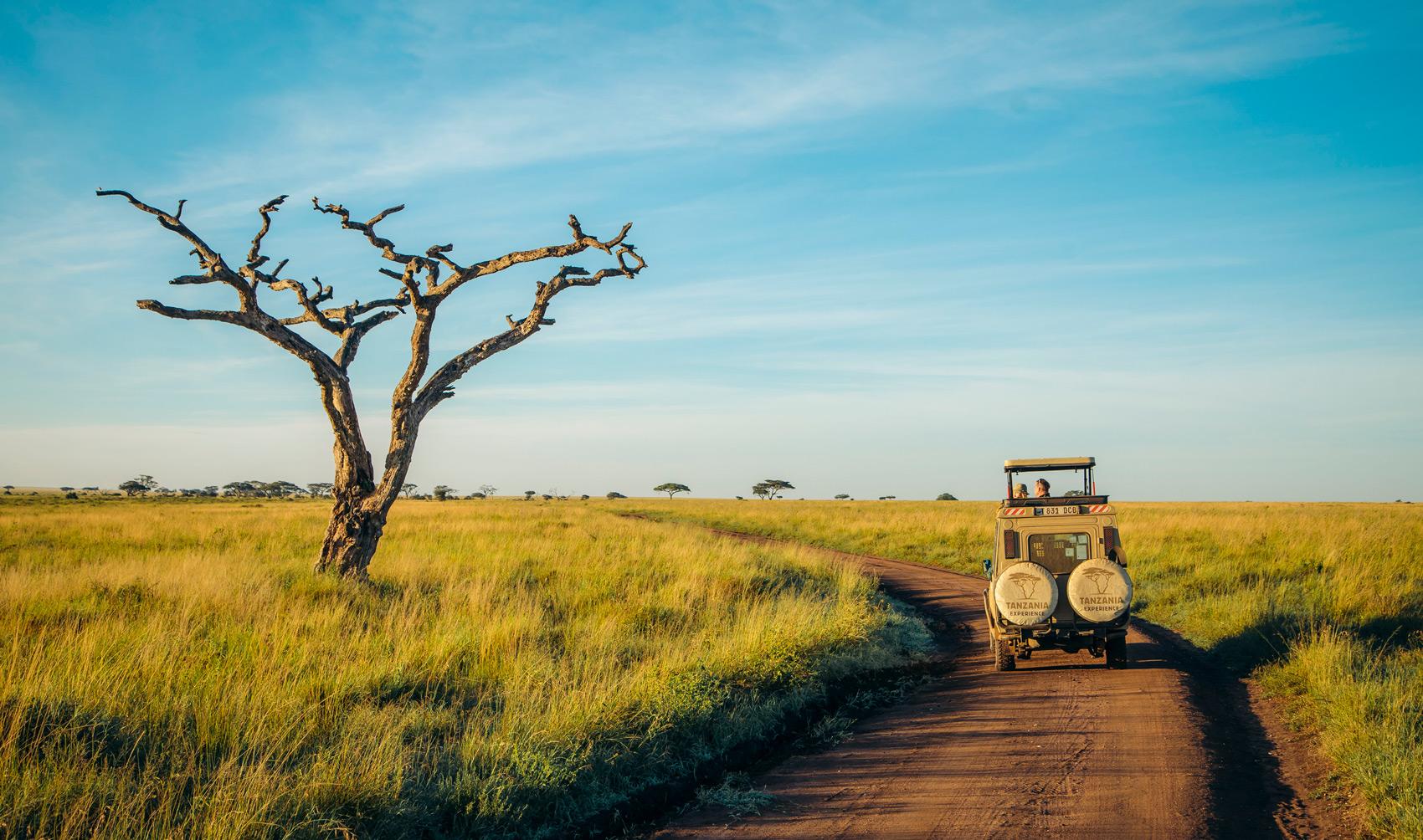
Tanzania has the kind of safari names that need little introduction. The Serengeti. Ngorongoro Crater. Tarangire. For many travellers, these are the places that first come to mind, and rightly so. They are exceptional.
But they are not the whole story.
Ask people who plan Tanzania safaris every day, or who have lived and worked in the country, and their answers often become more personal. They talk about the places that surprised them, the landscapes that felt quieter, and the small moments that somehow became the reason they keep returning.
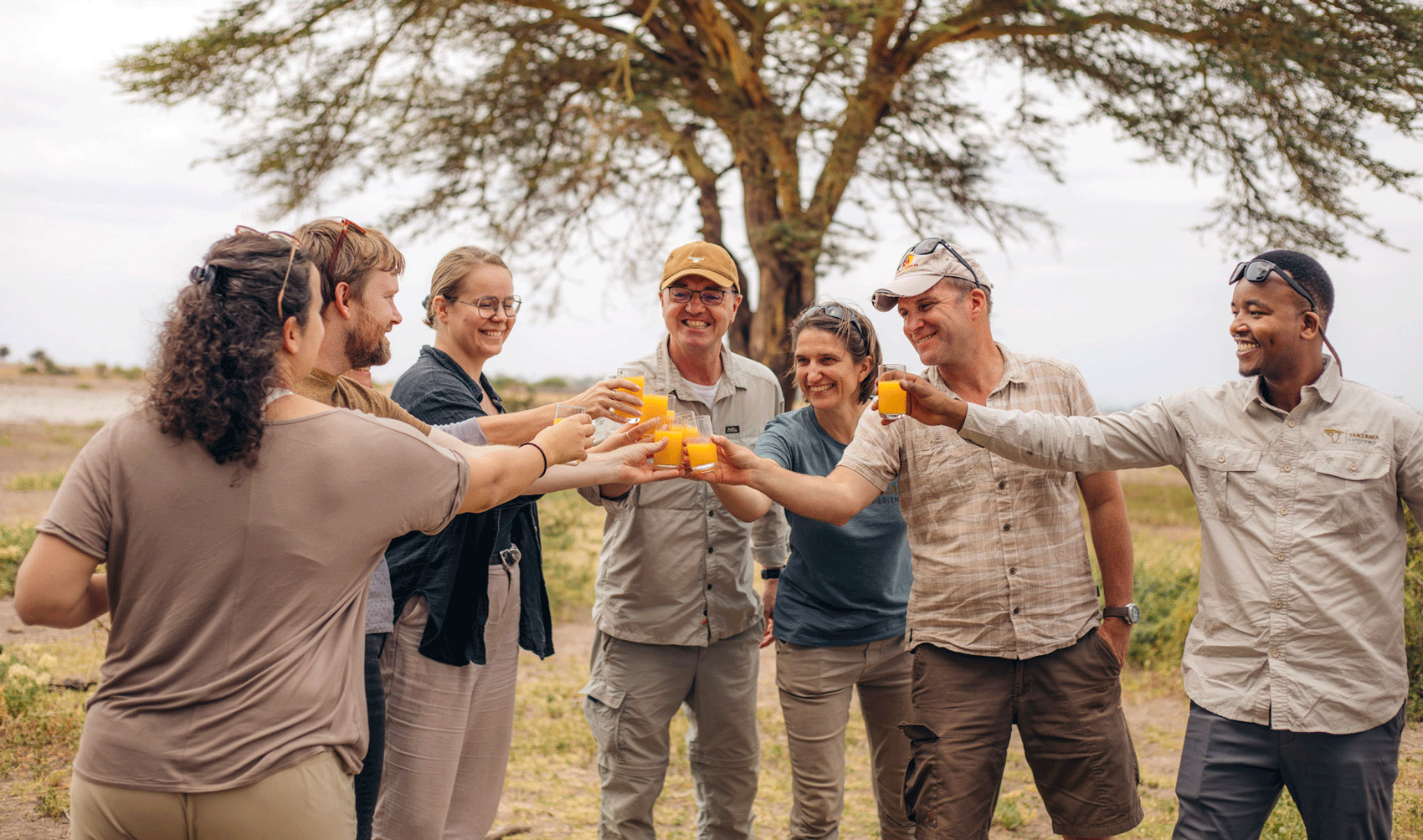
For this blog, we asked three of our travel experts to share their own Tanzania safari recommendations. Kornelia spoke about Arusha National Park, Rivertrees and the Usambara Mountains. Anastasia chose West Kilimanjaro and the Enduimet Wildlife Management Area. Stephanie did not hesitate: for her, it is Ruaha National Park.
Together, their recommendations show a different side of Tanzania: wildlife and walking, mountains and community projects, mobile camping and open space, elephants at a river and hornbills before sunrise.
Arusha National Park: Kornelia’s Underrated Safari Beginning
For Kornelia, one of the best ways to begin a Tanzania trip is by slowing down and giving Arusha National Park the attention, it deserves.
“I honestly think this park is a little bit underrated,” she says. And it is easy to understand why. Arusha National Park does not have the same international fame as the Serengeti or Ngorongoro, but it offers something wonderfully immediate. It is close to Arusha, framed by Mount Meru, and varied enough to feel like a soft introduction to Tanzania’s landscapes.
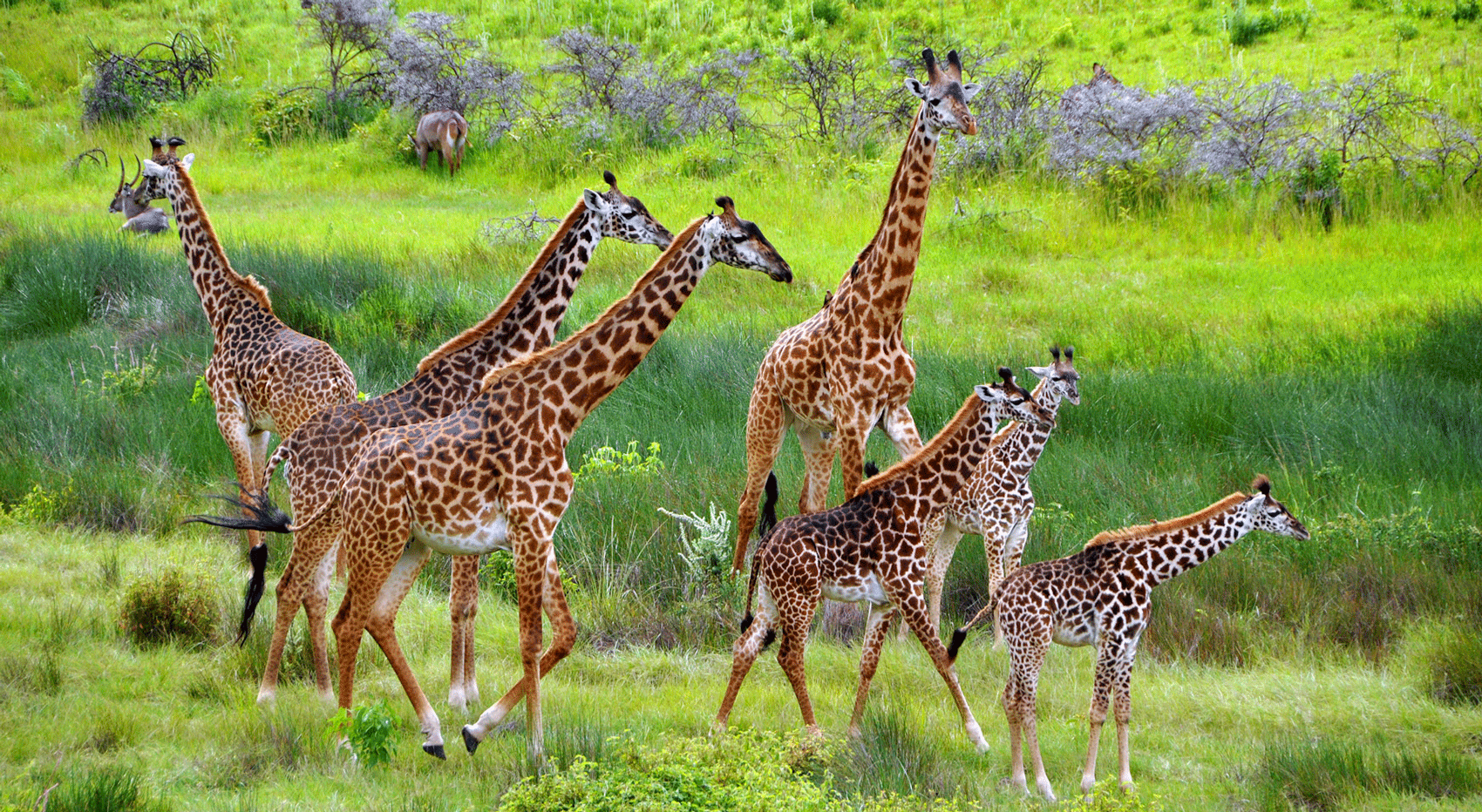
Kornelia especially loves the giraffes. In Arusha National Park, they can appear suddenly: a small group standing in the open, long-necked and unbothered, with Mount Meru rising behind them. It is the sort of scene that feels almost too neatly arranged, except nothing about it is staged.
Then there are the black-and-white colobus monkeys. With their dark coats, white fringes and long flowing tails, they look unlike anything you might expect from a first safari day. Kornelia describes them as almost floating through the trees. Arusha National Park is one of the best places in Tanzania to see them, and for travellers who enjoy the smaller details of wildlife, this alone can make the visit special.
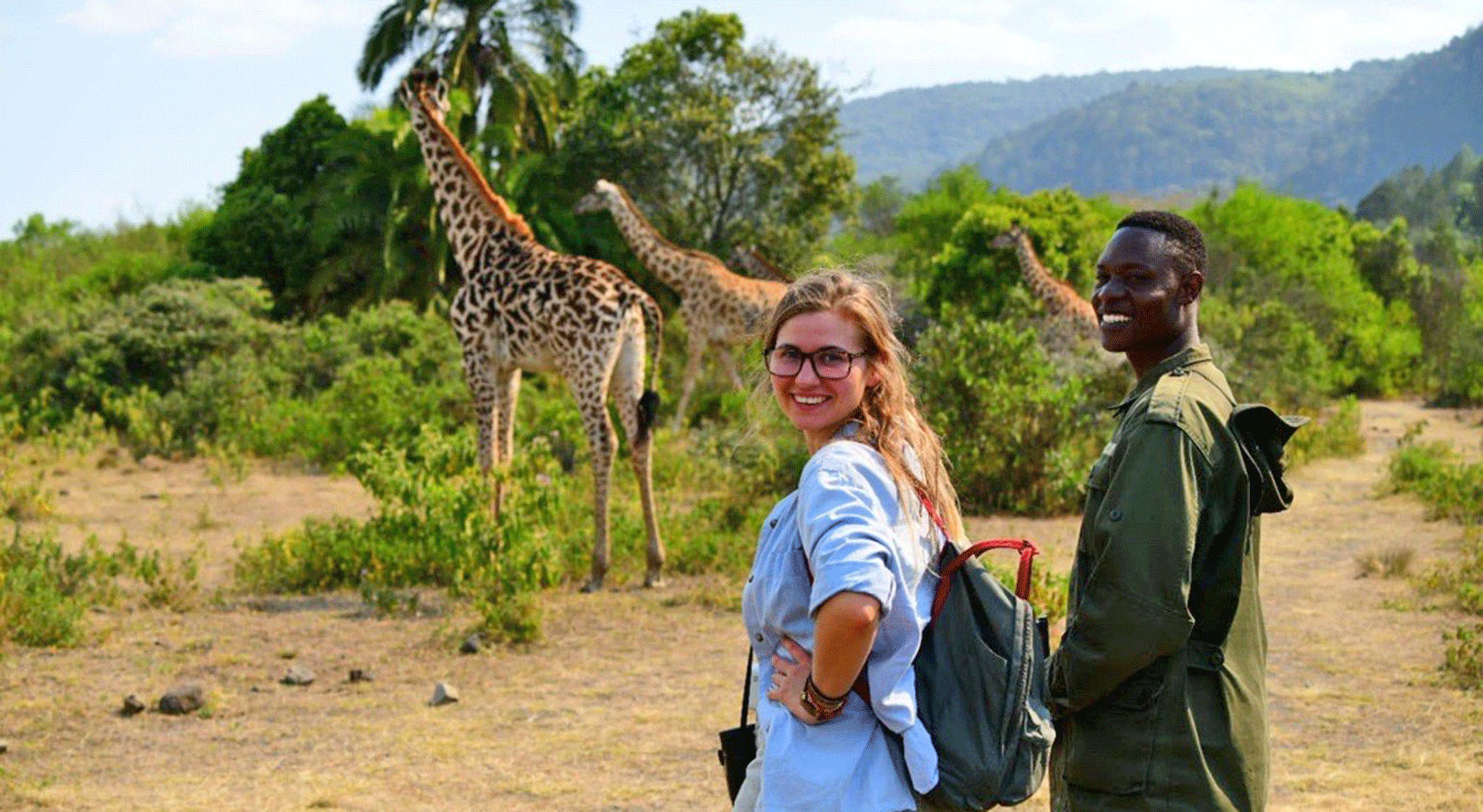
What changes the experience most is the chance to explore on foot.
“When you are sitting in a vehicle, you are watching the animals,” Kornelia says. “But when you are walking, you become part of their environment.”
That explains the appeal of a walking safari beautifully. You notice tracks, plants, insects, sounds and the way your guide reads the ground. It is not about covering huge distances. It is about attention.
Kornelia’s preferred place to stay nearby is Rivertrees, close to Arusha National Park. The property was once a coffee farm, and today it has cottages, gardens, old trees, a restaurant and a river running through the grounds. It gives travellers a gentle beginning before the safari days become fuller and dustier.
For a first night, or even two or three, Arusha National Park and Rivertrees make a calm, characterful start.
The Usambara Mountains: A Slower Side of Tanzania
From Arusha, Kornelia’s thoughts move somewhere completely different: the Usambara Mountains.
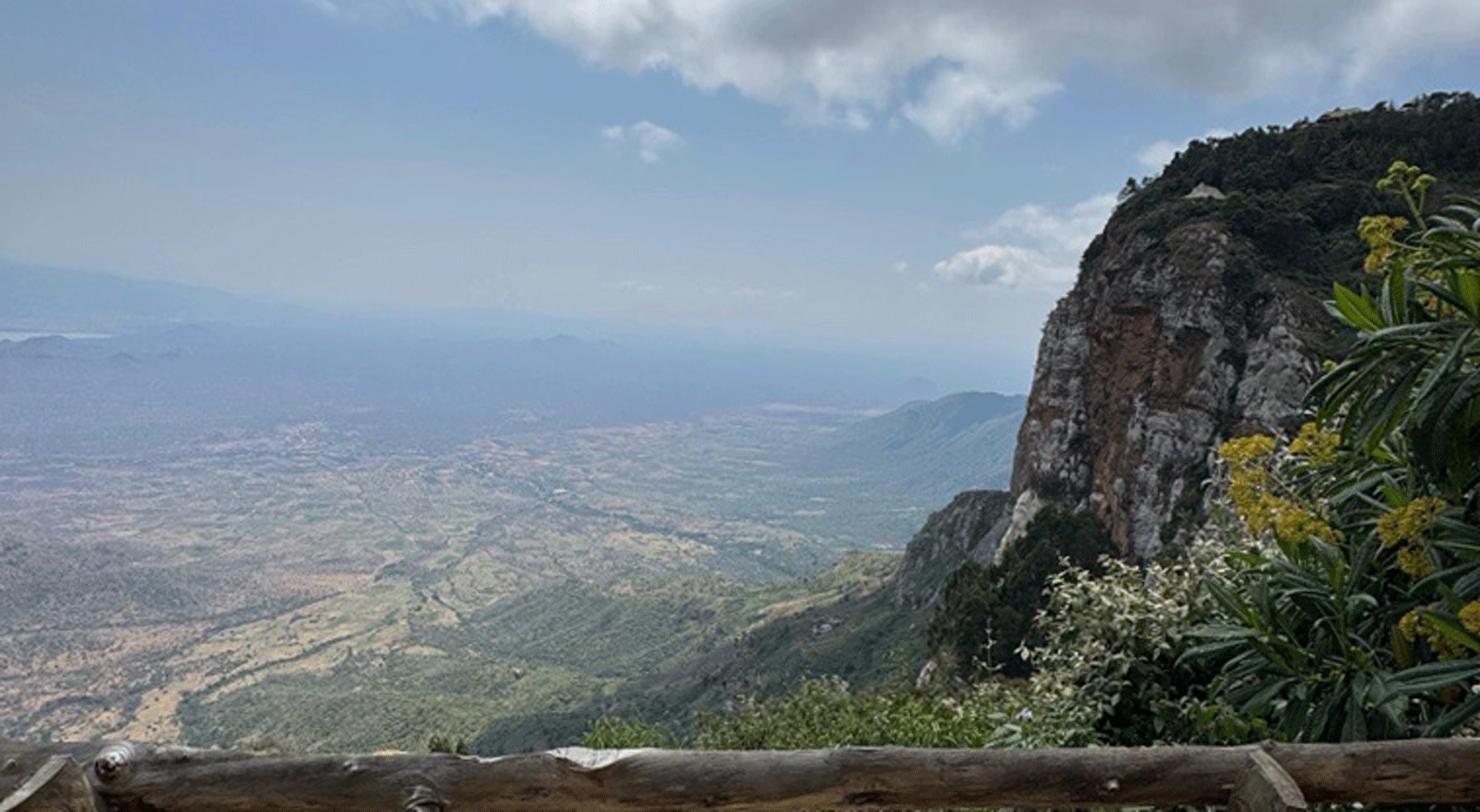
This is not the Tanzania many travellers picture first. Instead of open savannah, the Usambaras are green, steep and unexpectedly lush, with mountain ridges, forests, cliffs and views that seem to belong to another country altogether.
“When people imagine Tanzania, they usually imagine savannah,” Kornelia says. “And then you arrive in the Usambaras and suddenly you have these huge green mountains.”
Around Mambo village, on a clear day, the views stretch towards Mkomazi National Park and sometimes even Kilimanjaro in the distance. But Kornelia’s advice is simple: do not come only for one viewpoint and a quick photo. Stay a little longer. Walk. Sit down for lunch somewhere local. Let the pace change.
One of her favourite places for exactly that is Uvi House & Restaurant. It sits high above the landscape, at around 1,800 metres, with views that invite you to do very little for a while. Have a coffee. Look out over the mountains. Let the day widen around you.
Accommodation here is simple and varied, with rooms, cottages, tents and camping options. But for Kornelia, the appeal of Uvi is also the story behind it. It is the kind of place where tourism does not feel separate from the community around it.
The Usambaras also offer many ways to be active without turning the trip into a hard trek. You can take a half-day walk along cliffs and through villages, or plan a longer hike into the mountains.
Kornelia particularly recommends Shagayu Rainforest, a cloud forest with rich biodiversity and a trail that can lead to a waterfall. Along the way, you might see chameleons, birds and sometimes monkeys.
There are also pottery workshops, coffee plantations and birdwatching opportunities. The beauty of the Usambaras is that they can become what you need them to be: a walking destination, a cultural stop, a scenic break between safari areas, or simply a place to slow down.
For travellers who want to add safari, the Usambaras can be combined with Mkomazi National Park. Mkomazi is closely associated with black rhino conservation and is far less visited than Tanzania’s best-known northern parks. It will not suit every first-time safari route, but for those who enjoy quieter wilderness areas, it can be a rewarding addition.
In a country known for safari drama, the Usambaras offer something gentler: mist, cliffs, villages, forest trails, coffee, birdsong.
West Kilimanjaro: Anastasia’s Favourite Sense of Space
Anastasia’s Tanzania safari recommendations begin in West Kilimanjaro, with a stop at Simba Farm. Here it is not polished luxury that stayed with her, but the charm of the place: fields, pili pili chillies, greenhouses, farm stories and views. There are also forest walks, sundowners and camping options, depending on the stay.
From there, the journey continued into the Enduimet Wildlife Management Area, part of the wider West Kilimanjaro region. This is where Anastasia’s voice changes. At first glance, she says, the landscape can feel dry, empty, almost barren. But then, as you drive through it, you begin to notice more.
“It is a little bit like you zoom in,” she says.
That is a lovely way to describe West Kilimanjaro. It is not a place that performs everything at once. Savannah opens into patches of woodland. Elephants move through the grasslands. Kilimanjaro appears from an angle many travellers never see. The mountain is familiar, but not in the usual postcard way, and that is part of the appeal.
Although West Kilimanjaro can feel wonderfully remote, it is still relatively close to Arusha. You can add two nights here before continuing towards the more classic northern route, but the atmosphere is completely different from a busy national park.
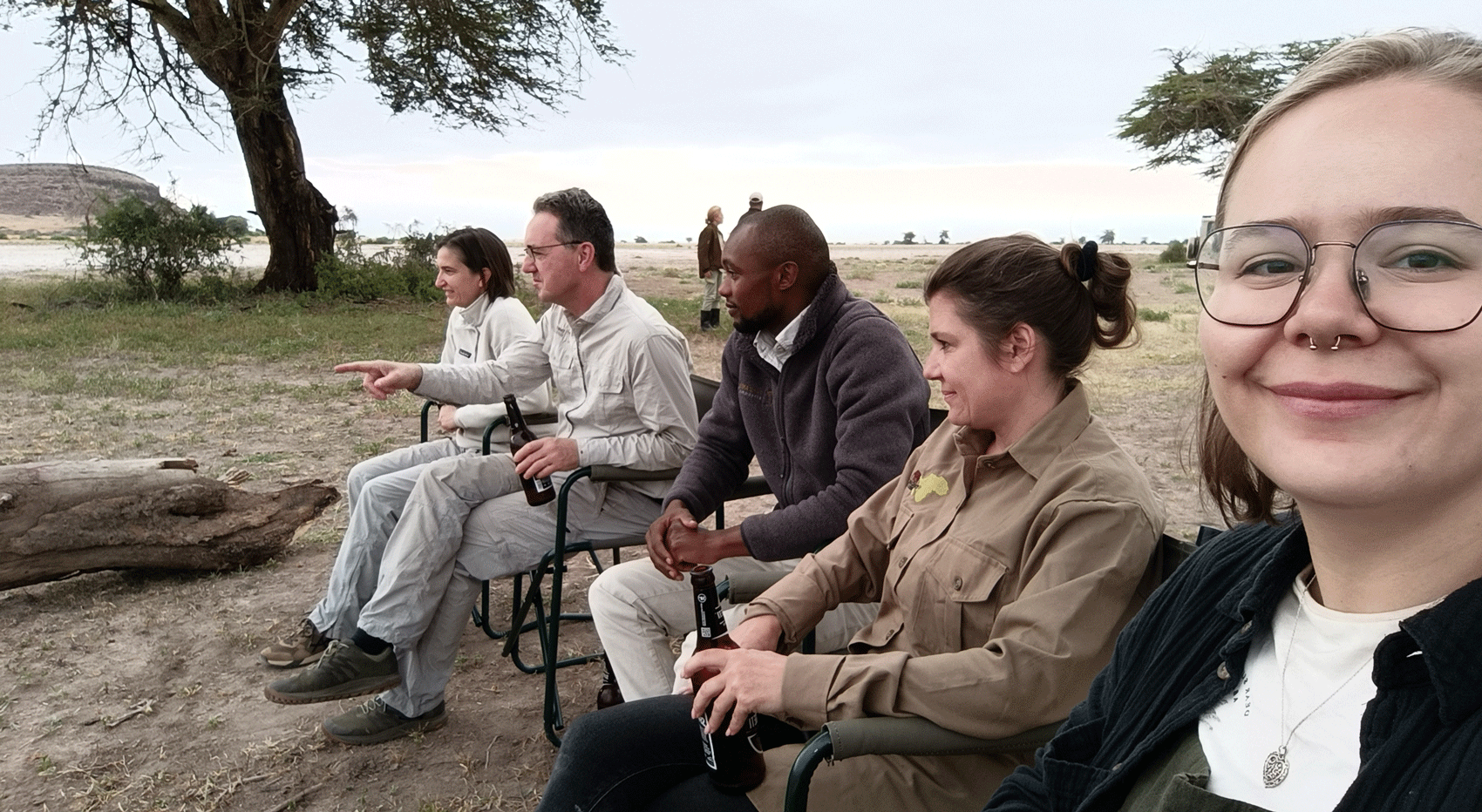
Anastasia experienced the area with a Mobile Explorer Camp, and this became one of her strongest Tanzania safari recommendations. By the time the group arrived, the crew had already set up the private campsite under the trees, with proper tents, cots and bedding, a mess tent, a kitchen, simple washing facilities and a shower tent with water heated by the fire.

It is camping, yes, but with comfort. You are not sleeping on the ground or sharing a busy public campsite. You are out in the landscape with your own small camp, your own fire, your own evening rhythm.
One of her favourite details was the “bush TV”: a large log burning as the campfire while everyone sat around in the evening. The view was towards Kilimanjaro, though clouds hid the mountain at first. Only on the final morning did the peak appear in the early light. Not the famous view from the Kenyan side, but a quieter, less familiar angle.
Because Enduimet is a Wildlife Management Area rather than a national park, the style of experience can also be different. Activities such as walking safaris and night drives may be possible here, depending on the exact itinerary, current regulations and local arrangements. Anastasia remembers walking up a hill for sundowners, then returning past Maasai bomas.
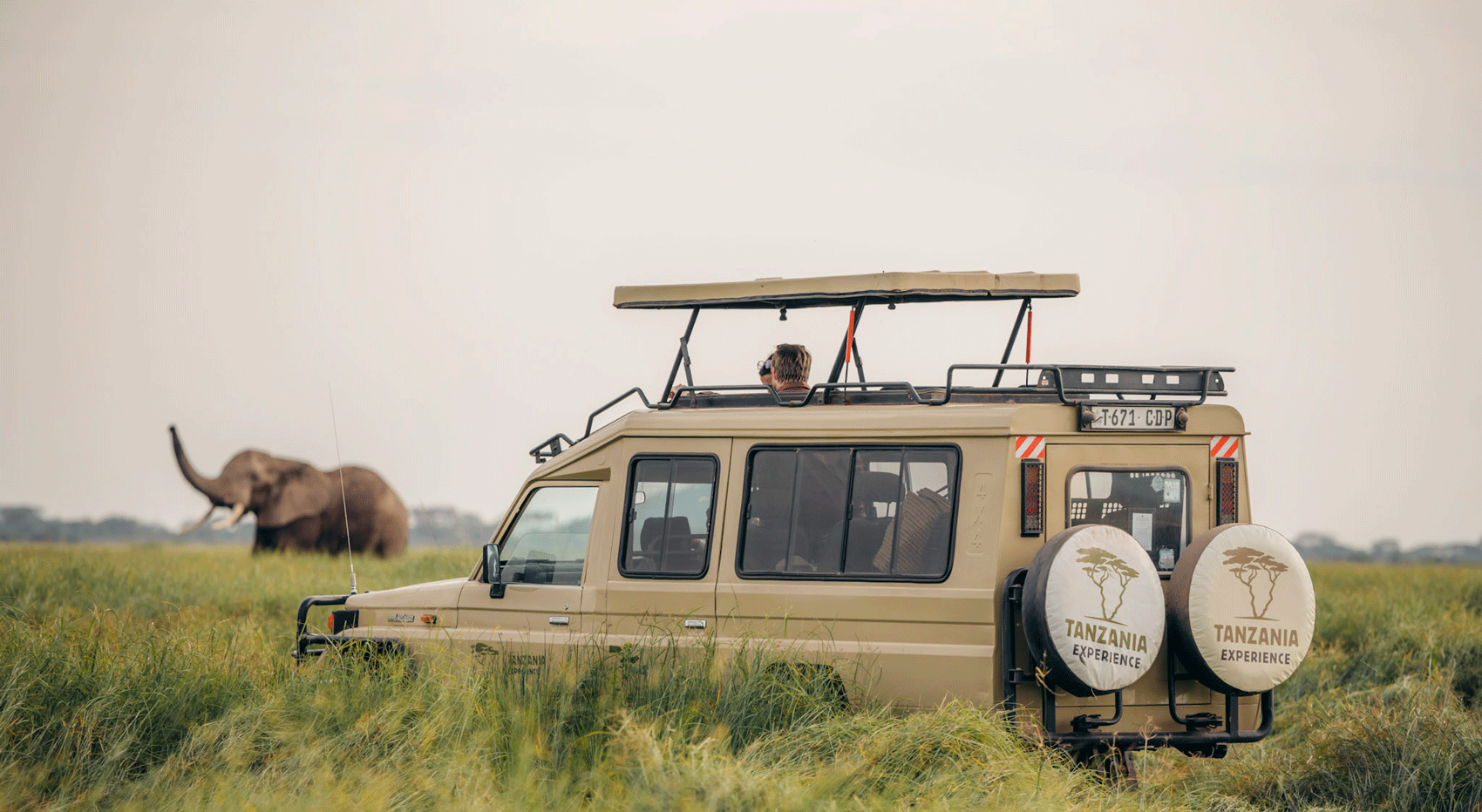
This is also an important wildlife landscape. Enduimet lies within a wider cross-border ecosystem linked to Amboseli, Kilimanjaro and Arusha National Parks via the Kitenden Corridor. Elephants and other wildlife move through this broader area, which is why an elephant passing near camp can feel both intimate and part of something much larger.
On Anastasia’s final morning, while Kilimanjaro was visible at last, an elephant walked right past camp. The guides kept the vehicle close for safety, and she describes watching the animal pass calmly, not bothered by the people nearby. It was simply an elephant moving through its landscape.
West Kilimanjaro is also known for animals that travellers may not commonly see in the classic northern parks, including gerenuk. Anastasia laughs at how strange they look: long necks, small heads, almost alien in appearance.
For travellers who like the idea of West Kilimanjaro but not mobile camping, there are lodge options too, including camps such as Kambi ya Tembo and Shu’mata Camp. The important thing is the feeling of the area: open, quiet, spacious and close to the mountain.
Ruaha National Park: Stephanie’s Place of Stillness
When Stephanie was asked for her favourite place in Tanzania, she did not need time to think. Her answer was Ruaha. She lived and worked in Ruaha National Park for about two years, managing a safari lodge. You might expect that after such a long time, the place would become normal. But for Stephanie, it never did.
“Every time I go back, I am amazed by Ruaha all over again,” she says.
Ruaha National Park Tanzania is one of the country’s great wilderness areas, but it feels very different from the famous northern parks. It is remote, vast and, compared with many safari regions, wonderfully quiet. You can drive for a long time without seeing another car, then come across an extraordinary sighting and have it completely to yourself.
That sense of space is at the heart of Stephanie’s love for Ruaha. She speaks about feeling like a visitor in an enormous landscape.
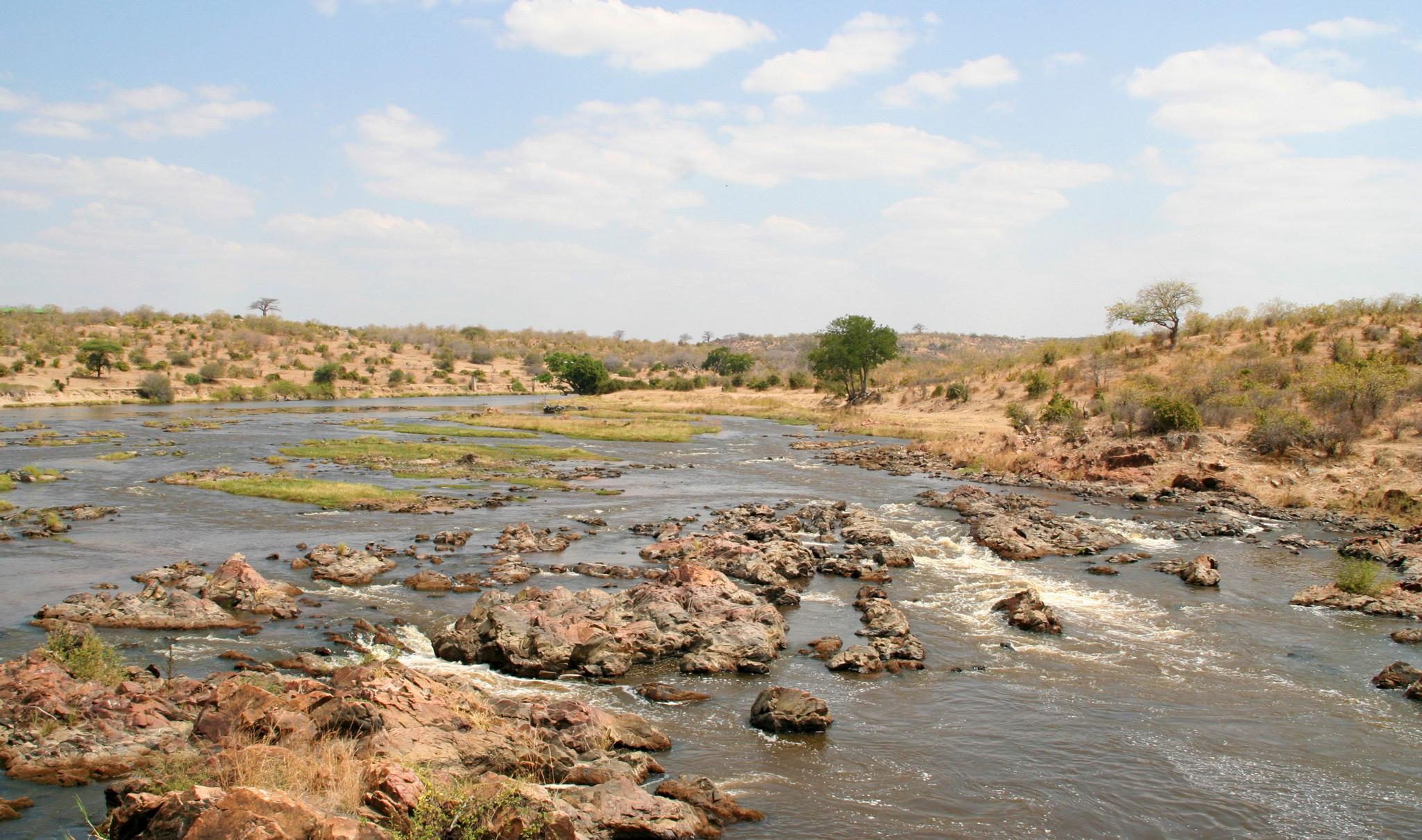
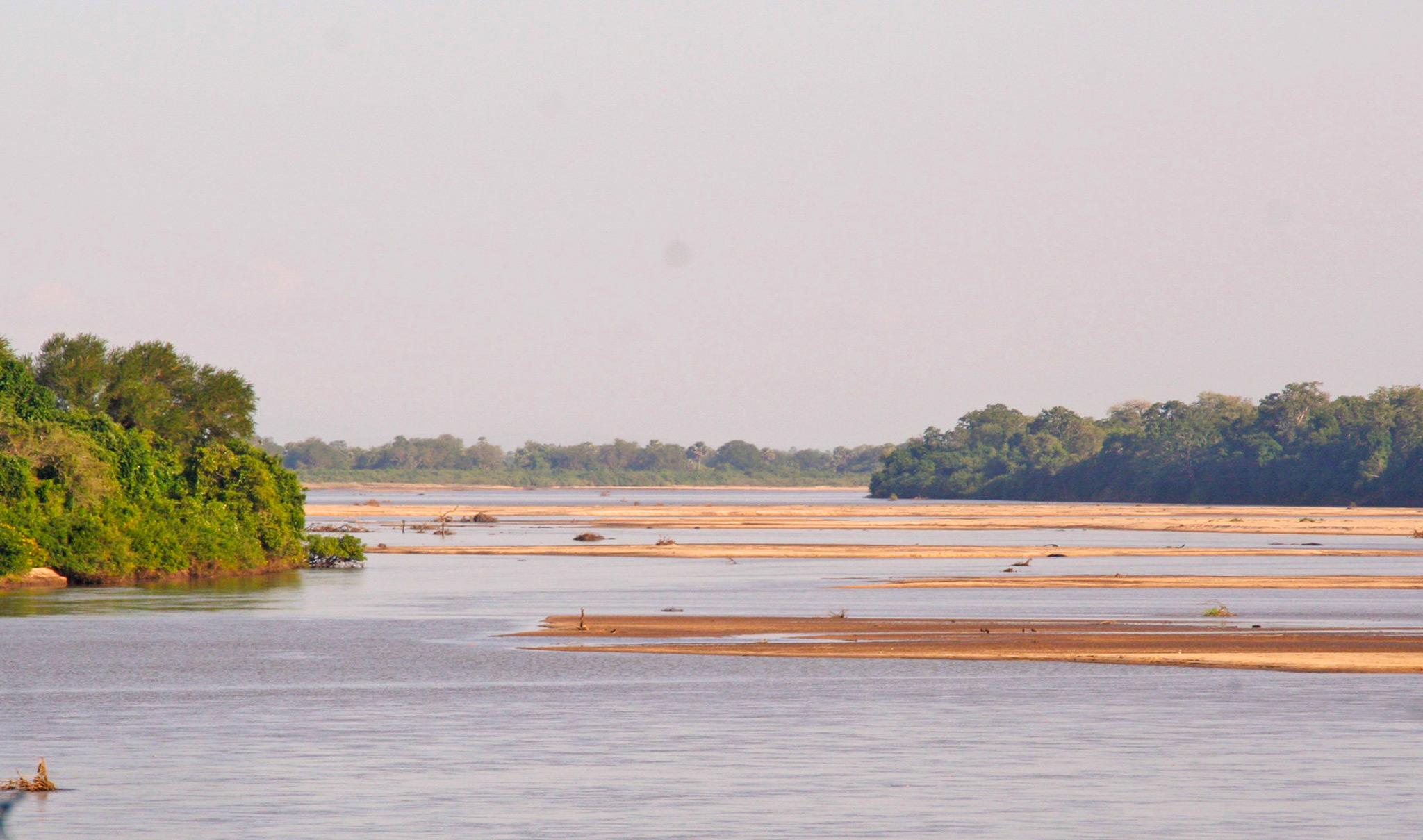
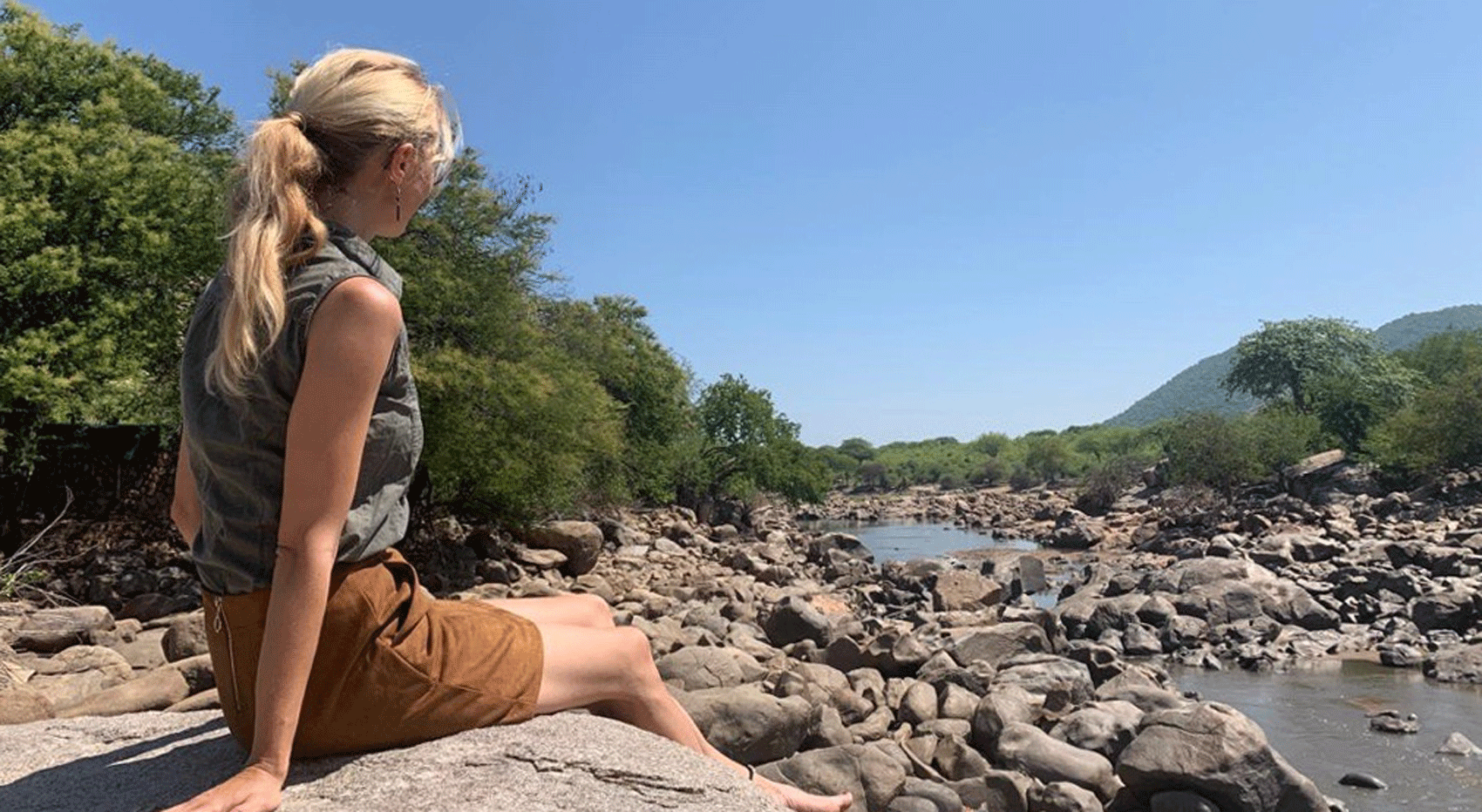
The landscape itself is dramatic. Ruaha is not only open plains. It has rocky kopjes, huge baobabs, distant hills and the Great Ruaha River winding through the park. During the dry months, the river becomes a lifeline. The bush turns dusty, the water draws animals in, and elephants gather along the river.
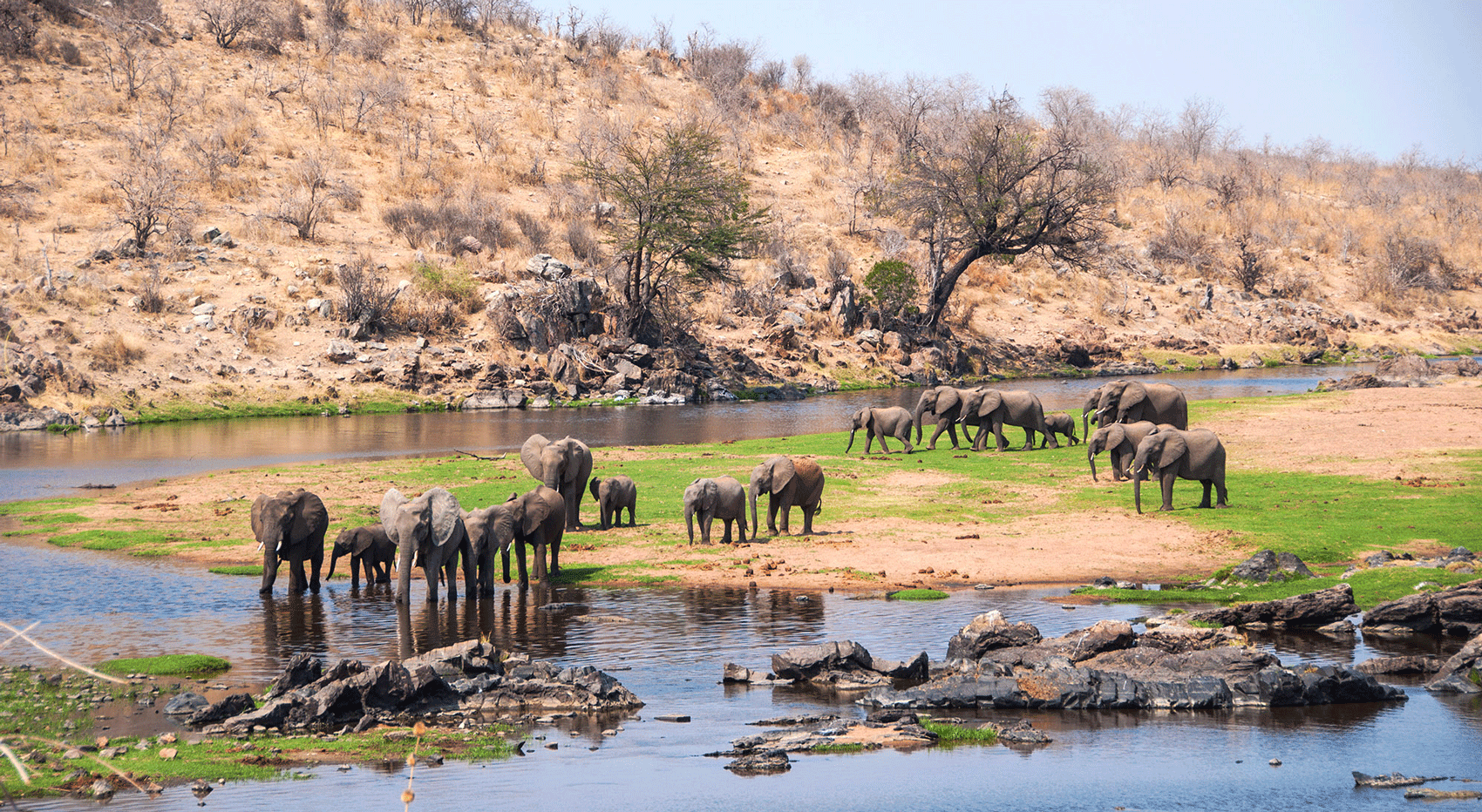
Stephanie could sit there for hours. Sometimes a family of elephants would come down to drink. Sometimes, as she says, there were simply elephants everywhere. They drank, dug in the sand and played around the water. The scene itself was enough.
Then there is the light.
Stephanie finds it difficult to explain Ruaha’s light to someone who has not been there, but she tries. In the early morning, soft golden light spreads across the landscape and everything feels still. In the late afternoon, the rocks, dry grass and baobabs begin to glow with a pinkish colour.
She lived there for two years and still never got bored of those sunrises and sunsets.
Some of Stephanie’s strongest memories are not classic safari moments at all. They are the small rituals of living in the park. In the morning, she would sit outside her house on the rocks with a coffee. Hyraxes lived around the house, and over time they became part of her everyday life. If they suddenly sat upright and started calling in alarm, she knew something was not quite right. Perhaps a snake was nearby.
These are not the things most people imagine when they think about living in a national park. But they are often the things that stay: the animals around the house, hornbills before your eyes are properly open, the call of doves, the smell of the bush, the silence.
Ruaha also changes dramatically through the year. Stephanie personally loves the dry months, when the river draws wildlife and the landscape feels stripped back to its essentials. But she also remembers the green months, when the same dry, dusty park becomes lush and alive. Butterflies appear everywhere, sometimes in their thousands.
Ruaha has outstanding wildlife: elephants, lions, leopards, wild dogs and many other species. But what Stephanie returns to is not one single sighting. It is the feeling of the place.
Sitting beside the river. Driving between baobabs with no other vehicle nearby. Listening to hyraxes and birds outside the house. Switching off the engine somewhere beautiful and waiting to see what happens.
Ruaha taught her that safari does not always have to mean searching for the next animal. Sometimes the best moments happen when nothing dramatic is happening.
“Ruaha is a place that makes you want to stop”, she says.
That may be the simplest and best description of it.
Which of These Tanzania Safari Recommendations Is Right for You?
Choose Arusha National Park if you want a rewarding beginning close to Arusha, with giraffes, colobus monkeys, Mount Meru views and the chance to walk.
Choose the Usambara Mountains if you love walking, views, forests, local encounters and slower travel.
Choose West Kilimanjaro if you like space, mobile camping, Kilimanjaro from a different angle and somewhere far quieter than the standard safari route.
Choose Ruaha National Park if you want remote wilderness, baobabs, elephants, river scenes, dramatic light and a safari rhythm that encourages you to stop and watch rather than rush.
You do not need to combine all of them in one itinerary. Perhaps you add Arusha National Park at the start. Perhaps you build in two nights in West Kilimanjaro before heading further north. Perhaps your second Tanzania safari focuses on Ruaha. Or perhaps the Usambaras become the walking and community-based contrast your trip needs.
The best route depends on how much time you have, how active you want to be, whether you prefer lodges or mobile camping, and how far off the usual route you would like to go.
Plan Your Tanzania Safari With Local Experts
Tanzania’s famous safari destinations deserve their reputation. But they are only part of what the country can offer.
Our travel experts know the classic parks, but they also know the quieter places that can make a journey feel more personal: the colobus monkeys of Arusha National Park, mountain walks in the Usambaras, a private camp below Kilimanjaro, or a morning beside the Great Ruaha River.
If you are planning a Tanzania safari and would like to go beyond the obvious route, speak to our team. We can help you design a tailor-made itinerary that includes the highlights you have always dreamed of, while also making space for the places our experts return to again and again.
Because sometimes the most memorable part of a safari is not the place everyone told you to see. It is the place you did not know to ask for.