on Tripadvisor


Choosing the best time to visit Kenya and Tanzania is an act of finding the right balance. Considering climate as well as crowds allows you to ensure the best possible safari experience.
Why Timing Matters for Your East African Safari
The season you choose to travel in can dramatically shape your safari experience. Safari seasons in East Africa are shaped by rainfall, heat, and dry spells as they all influence animal movements.
This in turn greatly affects where and how easily you can spot wildlife. For example, the Great Migration sees vast herds moving between the Serengeti and Masai Mara at specific times.
Dry seasons make wildlife easier to spot at watering holes, whereas the wet season brings lush landscapes but fewer sightings. That being said, birdwatchers may prefer wetter months when migratory species are abundant.
By aligning your trip – and the time you go – with your personal interests – you will get the most out of your East African safari.
Safari Timing at a Glance: Quick Comparison Table
| Category | Dry Season June – October | Short Rains November – December | Calving Season January – March | Green/Wet Season March – May |
| Weather | Cool, dry, sunny | Warm, occasional showers | Warm, occasional rain | Hot, heavy rains |
| Wildlife Viewing | Excellent – animals gather at water sources | Still good – greener landscapes | Very good – high predator activity | Moderate – more difficult sightings |
| Great Migration | July–Oct: Mara River crossings in KenyaJune–July: Grumeti River crossings (Tanzania) | Herds in central Serengeti (Tanzania) | Calving season in Ndutu (Tanzania) | Herds in Western & Southern Serengeti |
| Birdwatching | Good – especially resident birds | Migratory birds begin arriving | Excellent – migratory species in full swing | Excellent – migratory birds still present |
| Crowds & Costs | High crowds High prices | Moderate crowds/Mid-range prices | Lower crowds/Moderate prices | Low crowds/Lowest prices |
| Beach Holiday | Ideal for Zanzibar & Kenyan coast | Pleasant, some humidity | Excellent – dry and sunny in Zanzibar and Kenyan coast | Rainy – some beach lodges close |
| Special Safari Highlights | Clear skies/Best for walking & balloon safaris | Lush landscapes/Great for photography | Baby animals/Predator action/Golden light for photos | Newborn animals/Stunning photography/Privacy |

Understanding the Safari Seasons in Kenya and Tanzania
When planning your safari experience whilst considering the best time to visit either Kenya or Tanzania – or both – it is important to understand the different seasons. In addition to factoring in your personal preferences, you should also consider the impact the weather has on wildlife behaviour.
Dry Season (June to October) – Peak Wildlife Viewing
The dry season is ideal for game drives. This period features comfortable weather and very little rain, providing excellent conditions for first-time safari-goers.
During this time, animals are gathering around rivers and watering holes, making them easier to spot.
This provides you with a prime opportunity to see big cats, elephants, and other wildlife in their natural habitats. In addition, it’s also the best time to witness the Great Migration in Tanzania and Kenya.
Short Rains (November to December) – A Green Interlude
During the short rains, light showers make for greener landscapes – and fewer tourists –, ensuring a more relaxed safari experience.
Prices are slightly lower than during peak season, while game drives and wildlife viewing remain rewarding.
The occasional rain adds to the atmosphere: You will experience lush vegetation, with flowing rivers adding a fresh, vibrant backdrop to your game drives.
Dramatic skies and clear air make this season especially appealing for photographers wanting to capture wildlife against striking natural scenery.
Wet/Green Season (March to May) – Lush and Less Crowded
From March to May, the wet season brings heavy rains that can make some roads challenging to navigate. At the same time, the landscape is at its most spectacular.
This is the season of newborn animals and dramatic scenery, offering amazing photography opportunities.
With fewer tourists you can also experience a more intimate safari. It is ideal for those seeking solitude and the beauty of East Africa’s green season.

Wildlife Highlights by Season
East Africa offers a rewarding experience and a rich variety of wildlife experiences throughout the year. Each season has its own highlights, from epic migrations to newborn animals and spectacular birdlife.
The Great Migration
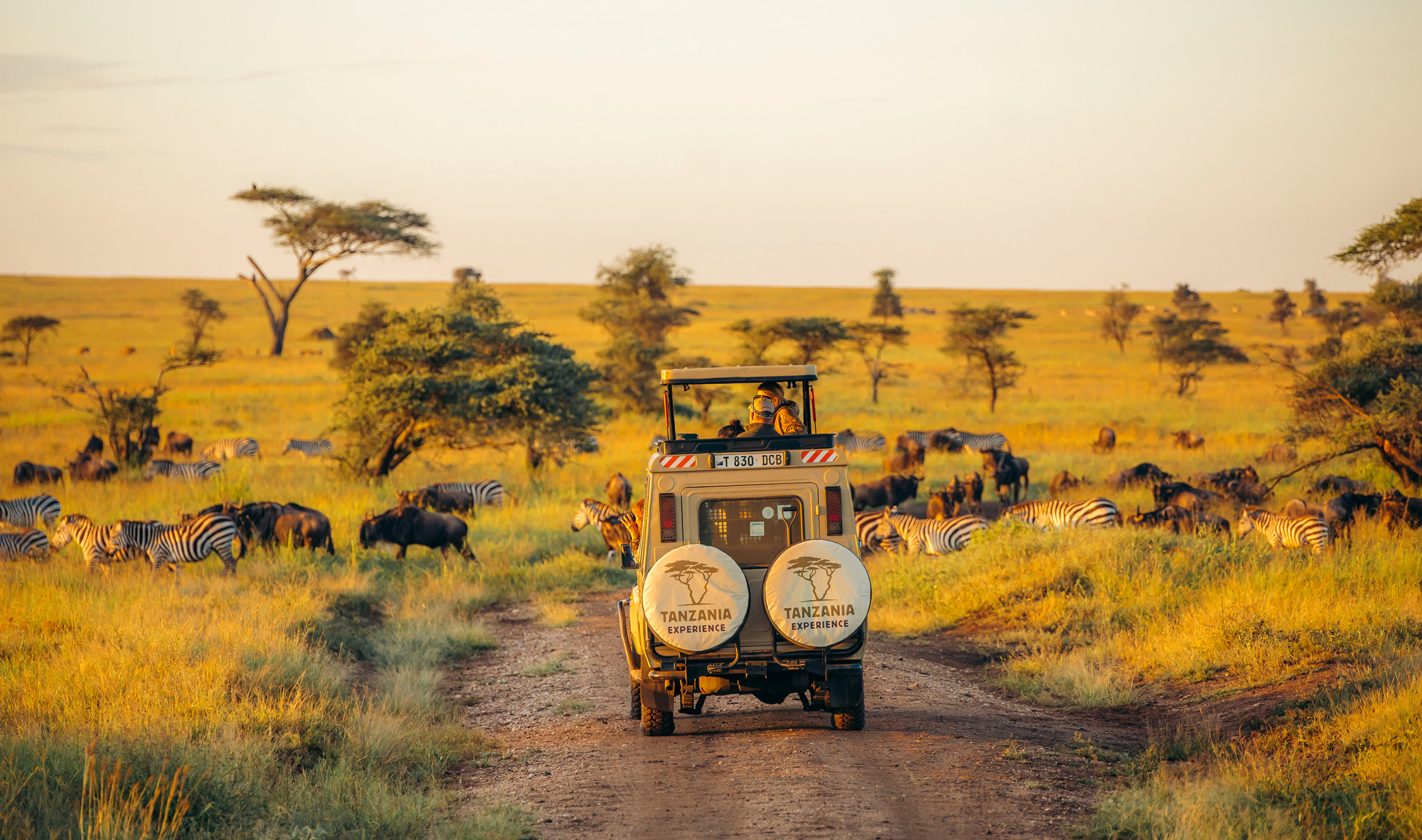
Each year, over a million wildebeest, accompanied by zebra and gazelle, embark on a journey in search of greener pastures. This circular migration, driven by the rains and the promise of fresh grazing grounds, creates an ever-moving drama of survival.
Along the way, predators lie in wait, and dramatic river crossings test the herds’ endurance and instinct.
The Great Migration, spanning both Tanzania’s Serengeti and Kenya’s Maasai Mara, is one of the world’s most extraordinary wildlife spectacles.
In the Grumeti River and Kirawira areas of the Serengeti’s western corridor, crossings occur from June to early July. While smaller and less predictable than those further north, they are equally thrilling.
Additionally, they come with the added bonus of being far less crowded, and crocodile encounters are common.
From July to October, the focus shifts to Kogatende and Lamai Wedge in the northern Serengeti near the Kenyan border. Here, the iconic Mara River crossings see massive herds of wildebeest moving between Tanzania and Kenya, often crossing multiple times.
This is peak season for dramatic river crossings, and the Maasai Mara mirrors this. The spectacular crossings provide some of the most iconic safari moments to be had as well as unforgettable photographic opportunities.
For those seeking a quieter migration experience, the calving season in the southern Serengeti and Ndutu area between January and March is ideal. It offers fewer crowds, breathtaking landscapes, abundant wildlife activity, and remarkable opportunities for tranquil game viewing.
Birdwatching
The period from November to April is ideal for observing migratory birds that come to escape the European winter.
Together, the countries boast over 1,000 bird species, making East Africa a world-class destination for birdwatchers. Both Kenya and Tanzania host a remarkable diversity, and they lend themselves to specialised birdwatching safaris.
Baby Animals
The best time to encounter newborn animals is during or just after the rainy seasons. January to March and April to June are ideal, if you are after experiencing the miracle of new life on the savannah.
In addition, so-called plains game, including zebras, wildebeest, and antelope, are particularly abundant and active during these months.

Regional/Destination Variations You Should Know
Kenya and Tanzania each offer distinct regions, from the lush Maasai Mara to the vast plains of the Serengeti. Knowing the best time to travel to Kenya and Tanzania helps you choose the right place and season for your dream safari.
Best Time to Visit Kenya
The best time to go on safari in Kenya depends on which region or national park you choose. Masai Mara is best visited from July to October, coinciding with the dramatic Mara River crossings of the Great Migration.
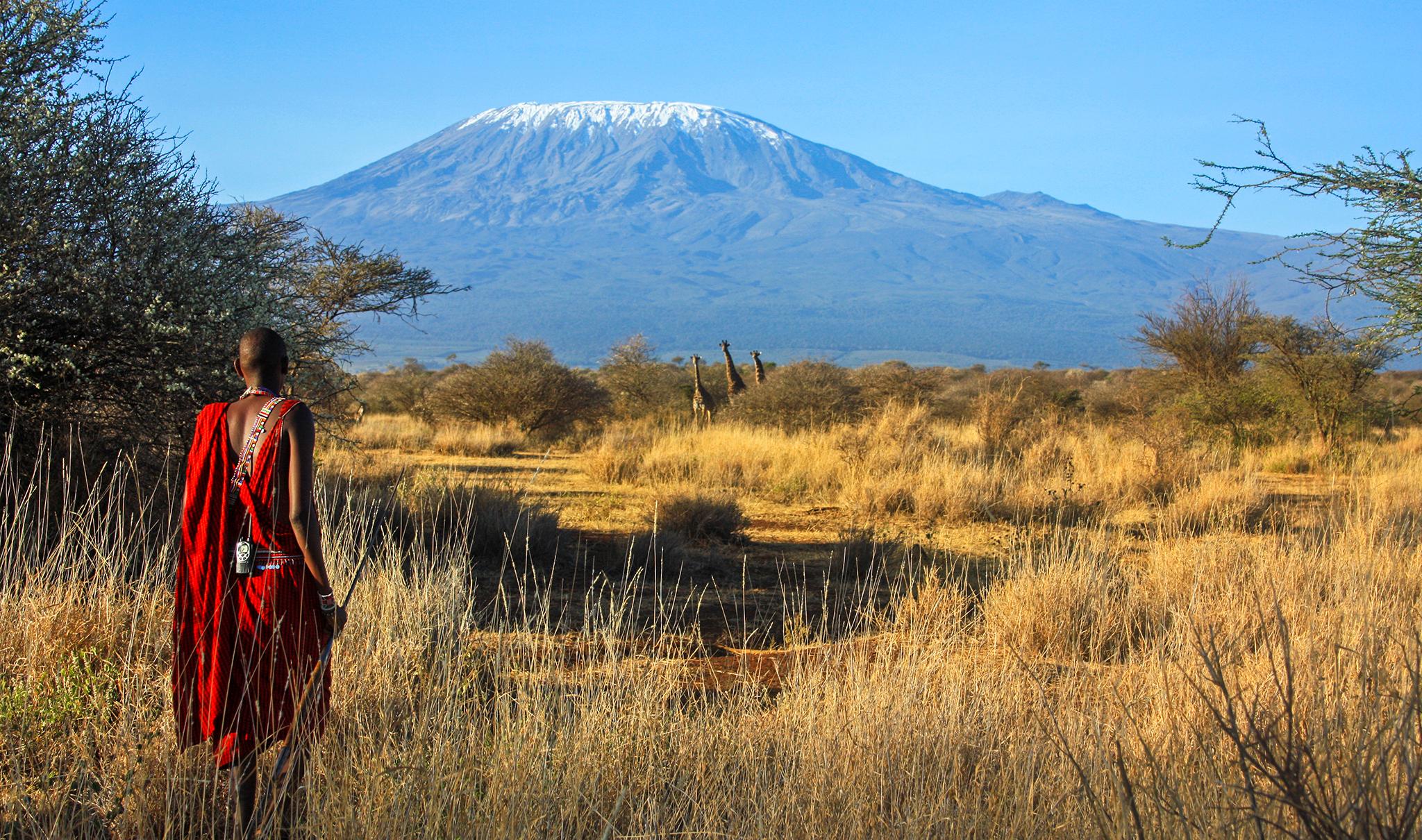
Amboseli National Park is ideal from January to February and June to October. During this time, the skies are particularly clear, offering stunning views of Mount Kilimanjaro.
Laikipia and Samburu reserves can be visited year-round, but June to October provide the most reliable wildlife sightings. This is when dry conditions make it easier to spot elephants, lions, and other big game.
Planning your safari around these regional variations ensures you experience the best each area has to offer. Contact our travel experts to establish the perfect time for your visit.
Best Time to Visit Tanzania
In Tanzania, timing is heavily influenced by the Great Migration. The Serengeti is best visited from January to March for calving and June to July for river crossings.
Ngorongoro Crater provides consistent wildlife viewing year-round and is known to impress with its unique setting. Tarangire National Park is best during the dry season – June to October – when elephants gather around watering holes.
In the southern parks like Nyerere National park (formerly know as Selous Game reserve) and Ruaha, the dry months from June to October are ideal.
They offer the most reliable wildlife sightings as well as comfortable safari conditions. Contact our travel experts to create your perfectly timed schedule.
Combining Safari with a Beach Holiday
For travellers looking to pair wildlife adventures with tropical relaxation, timing is key. Off the coast of Tanzania, Zanzibar is at its best from June to October and again during mid-December to February.
These periods come with dry, sunny weather that ensures ideal beach conditions, while the warmer temperatures coincide with calmer seas.
The island’s pristine beaches, turquoise waters, and vibrant culture make it the perfect complement to an East African safari.
On the Kenyan coast, popular destinations such as Diani are best visited from January to March and July to October. The same is true for the north coast beaches including Watamu, Malindi and Kilifi.
Coinciding with Kenya’s peak safari seasons, these months are also the sunniest. They provide excellent opportunities for swimming, snorkelling, diving, and other water sports.
Perfect conditions then for combining with a beach holiday, in case a safari is not enough for you. Proper timing ensures a memorable and balanced wildlife-and-beach itinerary.

Travel Costs, Crowds & Booking Tips by Season
The best safari seasons in East Africa are the ones offering the best wildlife viewing opportunities. High season runs from June to October, which is also when prices are at their highest.
At the same time, popular lodges and camps fill quickly, so early booking is essential to secure your accommodation.
During the shoulder seasons of November and March, visitor numbers are lower, resulting in fewer crowds and slightly reduced prices. Wildlife viewing remains excellent, and the landscapes are often lush following seasonal rains, providing a balance between comfort and value.
The low season falls in April and May, coinciding with heavy rains. Some camps and lodges may temporarily close, and certain roads can become challenging. However, this period offers exceptional deals, dramatic scenery, and excellent photography opportunities of green landscapes and newborn animals.
This time is great for anyone who is up for an adventure – and if you prioritise savings and solitude.
Fantastic Kenya and Tanzania Tours:
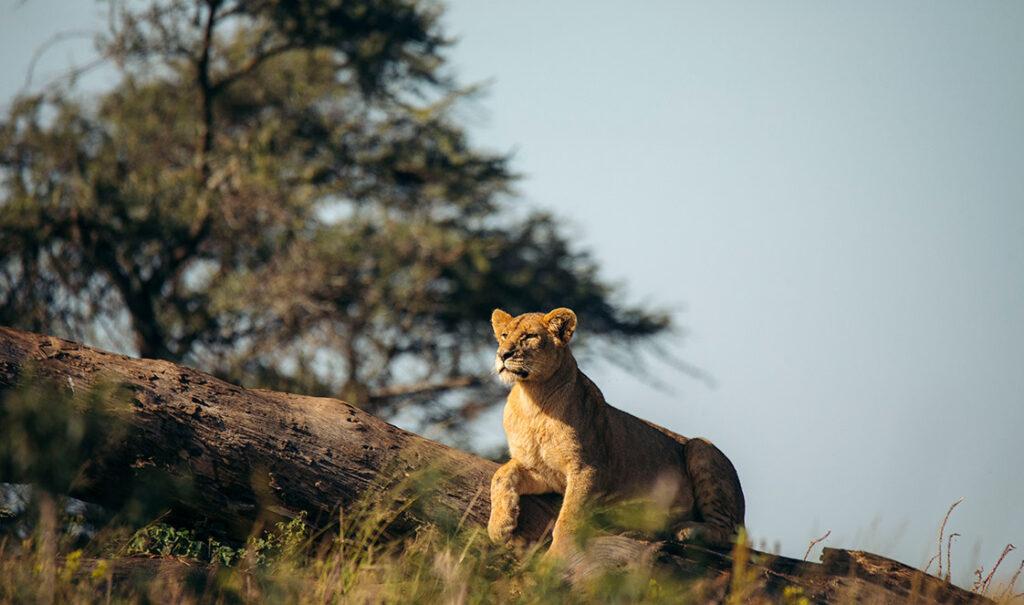
Best of Tanzania
Places Tarangire National Park, Serengeti National Park, Karatu, Ngorongoro Crater
from 3,060 USD per person sharing
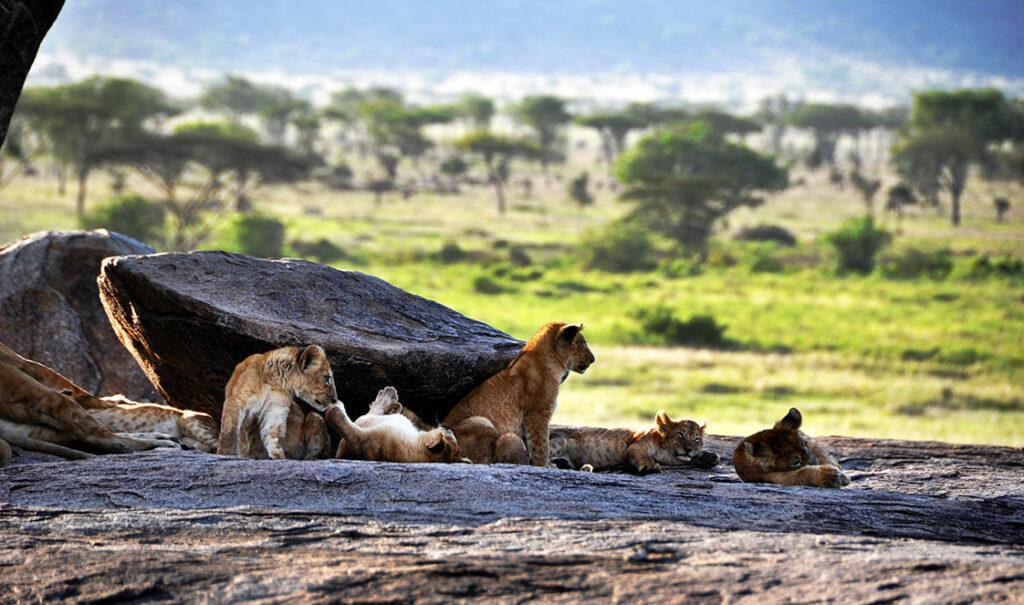
Tanzania and Kenya Highlights
Places Tarangire National Park, Ngorongoro Crater, Serengeti National Park, Lake Victoria, Masai Mara Game Reserve
from 5,800 USD per person sharing
Special Safari Experiences by Time of Year
Certain safari activities are best enjoyed during specific seasons. Choosing the right time allows you to tailor your experience for maximum impact, whether for adventure, wildlife encounters, or photography.
Walking Safaris
Walking safaris are best during the dry season, when trails are safer and encounters with wildlife are easier to manage. Guided walks through private conservancies allow you to appreciate smaller animals, with experienced trackers teaching you how to read tracks.
This immersive experience provides an intimate perspective on the ecosystem that game drives alone will not be able to offer.
Photographic Safaris
For photography enthusiasts, the green season is ideal. Heavy rains create dramatic skies, lush landscapes, and an abundance of newborn animals.
This combination offers extraordinary opportunities for capturing vibrant, memorable images of East Africa’s wildlife and scenery.
In addition, fewer tourists during this period mean more intimate encounters with nature. Contact us to plan your perfect photo safari, either in Kenya or Tanzania, or combining both.
Balloon Safaris
Hot-air balloon safaris are available year-round, both in Kenya and Tanzania, offering a unique perspective over the savannah and wildlife.
However, with clear skies, more predictable weather, and smoother flight conditions, the dry season is generally preferred for ballooning.
Sunrise balloon rides are particularly spectacular, as they combine breathtaking views with the thrill of spotting wildlife from above. This special experience is followed by a bush breakfast under an acacia tree.

Kenya & Tanzania Combo Tours: Double the Adventure
Combining Kenya and Tanzania in a single safari allows you to experience the best East Africa has to offer. Follow the Great Migration year-round to witness vast herds of wildebeest moving between the Serengeti and the Masai Mara.
From Masai Mara’s sweeping savannahs to the plains of the Serengeti to Amboseli with its iconic views of Mount Kilimanjaro: The contrast between landscapes adds another layer of richness to your East African safari.
This type of combo is ideal if you want to maximise your experience. Our specially designed itineraries – such as the 10-day Tanzania and Kenya Highlights – ensure smooth logistics, including transfers, guides, and accommodation.
Alternatively, you can contact our travel experts to create your own tailor-made safari.
For those wanting to focus more on Kenya, our sister company also offers Kenya & Tanzania safari packages.
Small-group safaris take in highlights ranging from Lake Victoria to Ngorongoro Crater, from the Serengeti to Lake Nakuru.
Whether you prefer luxury lodges or classic tented camps, you will find an option to match your style of travel. By combining both countries, you not only witness incredible wildlife spectacles.
You also gain a deeper appreciation of the cultural and geographical diversity of East Africa. A combo safari is the perfect choice for travellers seeking a once-in-a-lifetime adventure.

FAQs – Best Time to Travel to Kenya and Tanzania
What is the best month to visit Kenya and Tanzania?
The best months to visit Kenya and Tanzania are from June to October, when the weather is dry and wildlife safaris are at their most exciting.
Is it worth visiting Kenya and Tanzania during the rainy season?
Yes, visiting Kenya and Tanzania during the rainy season can be rewarding, as the landscapes are green, wildlife is abundant, and safari lodges often offer lower rates.
When does the Great Migration take place in Kenya and Tanzania?
The Great Migration takes place year-round with the highlights from December to July in Tanzania’s Serengeti and from July to October in Kenya’s Masai Mara, offering spectacular wildlife experiences.
When is the best time to visit Kenya’s and Tanzania’s beaches?
The best time to visit Kenya’s and Tanzania’s beaches is from December to March and June to October, when the weather is sunny, warm, and perfect for swimming or relaxing by the ocean.
When is the worst time to visit Kenya and Tanzania?
The worst time to visit Kenya and Tanzania is during the long rainy season in April and May, when heavy rains can make travel difficult and some safari lodges close.
Conclusion: When Is the Best Time to Travel to Kenya and Tanzania?
The best time to travel to Kenya and Tanzania depends on your priorities: wildlife viewing, the Great Migration, bird watching, or photography. Dry seasons from June to October are ideal for dramatic game sightings and river crossings.
The green season from March to May, on the other hand, offers lush landscapes, newborn animals, and fewer crowds. Shoulder periods are not to be dismissed either:
They provide a balance of good wildlife, lower prices, and fewer tourists. By aligning your travel with seasonal highlights, you can ensure a memorable, tailor-made East African safari.
Start planning today and get in touch to let us turn your dream safari into a once-in-a-lifetime reality.
Our travel experts know East Africa like the back of their hand and with our sister company on the ground in Kenya we can ensure a smooth trip through some of Africa’s most iconic landscapes.