 on Tripadvisor


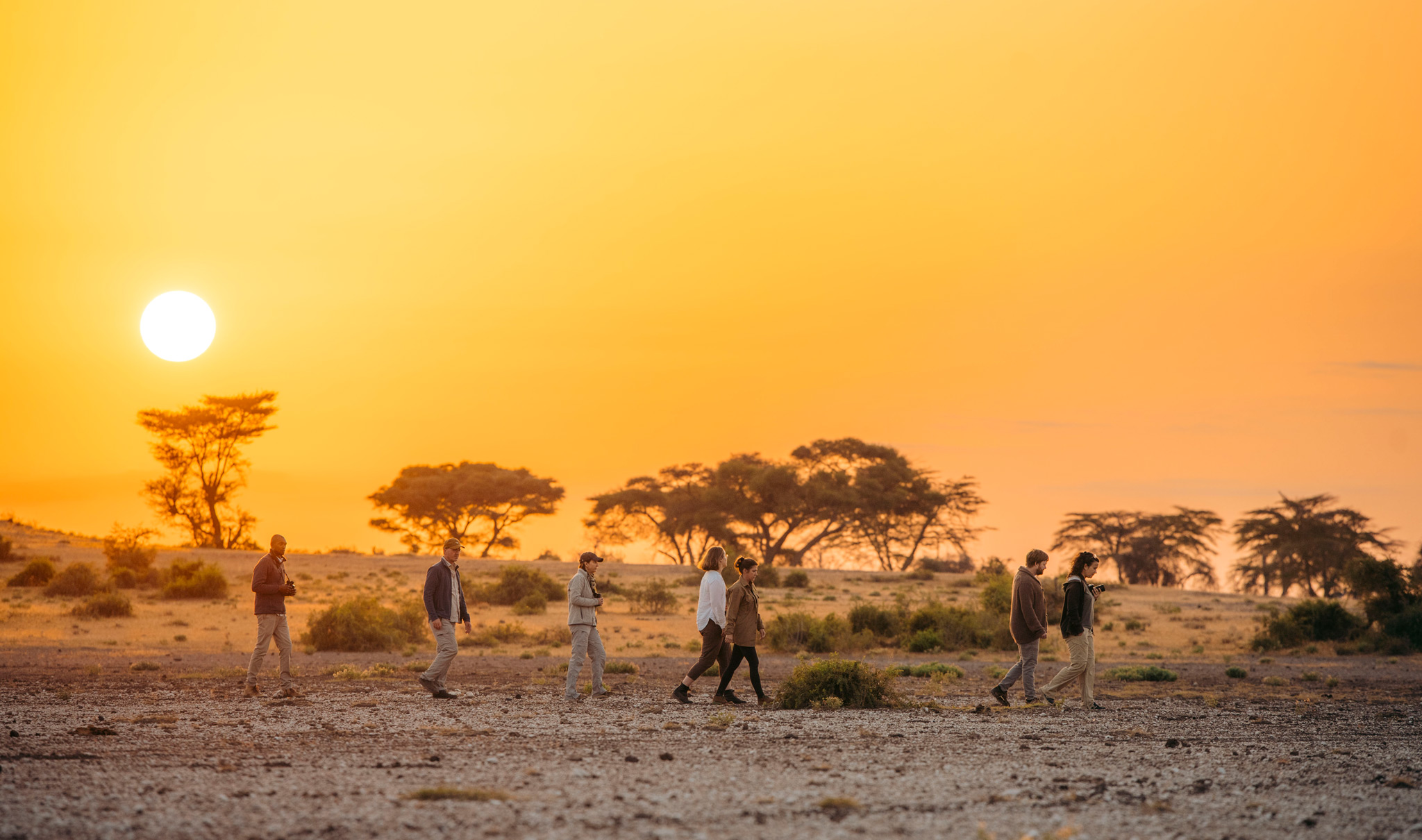
Heading to Tanzania soon? The country’s diverse landscapes and shifting climates call for careful and considerate packing. From cool highlands to sunbaked savannahs and humid wetlands – comfort and practicality are key.
While early mornings on safari can be surprisingly chilly, the midday sun is intense – even during the wet season. The right clothing will help you stay comfortable, protected, and ready for any occasion throughout the day.
Ensure to include layers as well as light cotton and linen. This helps you stay warm during chilly early mornings while also providing protection from the heat and sun.
With tips on layering, fabric and essential accessories, our expert checklist ensures you’re well-prepared for what to wear on safari in Tanzania. Whether you’re tracking wildlife in the Serengeti or conquering Mount Kilimanjaro, here’s what to wear on your Tanzanian adventure.
Understanding the Seasons in Tanzania
Tanzania has two main seasons: From June to October, the dry season offers cooler mornings and clear skies. The wet season, on the other hand, which runs from November to May, is distinguished by afternoon rains and humidity.
That being said, daily temperature shifts can be significant year round and regardless of the season. Especially in the early mornings and late evenings you can expect chilly temperatures. In order to adjust to the changing conditions throughout the day, layering is key.
Apart from the seasons, the climate also varies by region. The highlands – think Arusha or Ngorongoro – are cooler year-round. Regions like Nyerere National Park and the coast can remain hot and humid even during the rains.
This means: When asking yourself what to wear o safari in Tanzania, make sure you pack according to the season and destination(s) and always be safari-smart.

Best Clothes for a Safari – What to Wear on Safari in Tanzania
When going on safari in Tanzania, you will want to blend in with your surroundings. This is best achieved by wearing neutral coloured clothes, like khaki, beige, olive or light brown. Ideally, you opt for breathable fabrics – these help you to not only blend in but also stay cool.
Avoid bright colours, as they can disturb wildlife, especially birds. Dark blue or black are also best left at home: They attract the sun but also tsetse flies – particularly in areas like Tarangire.
Long-sleeved shirts and trousers are ideal. They offer 3-way protection: from the sun, mosquitoes, and thorny vegetation.
Add to these a lightweight fleece or jacket. It comes in handy as a protective layer for chilly early morning game drives and evenings around the campfire.
Footwear Matters – From Game Drives to Bush Walks
When considering what to wear on Safari in Tanzania, don’t underestimate the importance of appropriate footwear. Be prepared for dust and the occasional patch of mud – shoes can get dirty quickly in the bush.
Ideally bring an older pair that you don’t mind spoiling. Make sure they are either sturdy closed shoes or hiking boots. They protect your feet and provide good grip during walking safaris or bush walking.
Around the lodge, comfortable trainers or casual sneakers will do nicely. A pair of flip flops will come in handy if you’re camping or making use of shared facilities. Pumps, loafers or brogues are best left at home.

What to Pack and Why
To help you pack for your safari in Tanzania, we have compiled the following list. You can print it and check off each item to make sure you have all your bases covered.
Safari Clothing Essentials
Remember: When it comes to safari wear, comfort, practicality, and protection from the elements are key. Stick to neutral, earthy tones like khaki, beige, or olive to blend in with the surroundings and avoid attracting insects. Make sure, you include the following:
Essential Safari Wear
- 2–3 long-sleeved shirts
- 2–3 pairs of long trousers (lightweight)
- Shorts or zip-off pants
- T-shirts (neutral tones)
- Long loose fit linen dresses as a suitable alternative for ladies (can double up as evening wear)
- Fleece or softshell jacket
- Wide-brimmed hat or cap
- Lightweight rain jacket (particularly if going on safari in the wet season)
- Swimwear (some lodges have pools)
- Close toed shoes for activities like bush walking
- Sandals or flip flops around the lodge or camp
Accessories That Make a Difference
Bringing – or not bringing – the right accessories with you can make or break your safari experience. Here’s a list of items you should not forget to pack:
- Sunglasses with UV protection
- High-factor sunscreen
- Insect repellent
- Headlamp or flashlight for evenings if camping
- Reusable water bottle
- Buff or scarf (for dust protection)
- Camera equipment (including spare batteries and SD cards as well as telephoto lens to capture those once-in-a-lifetime animal encounters)
- Binoculars
Popular Safaris:
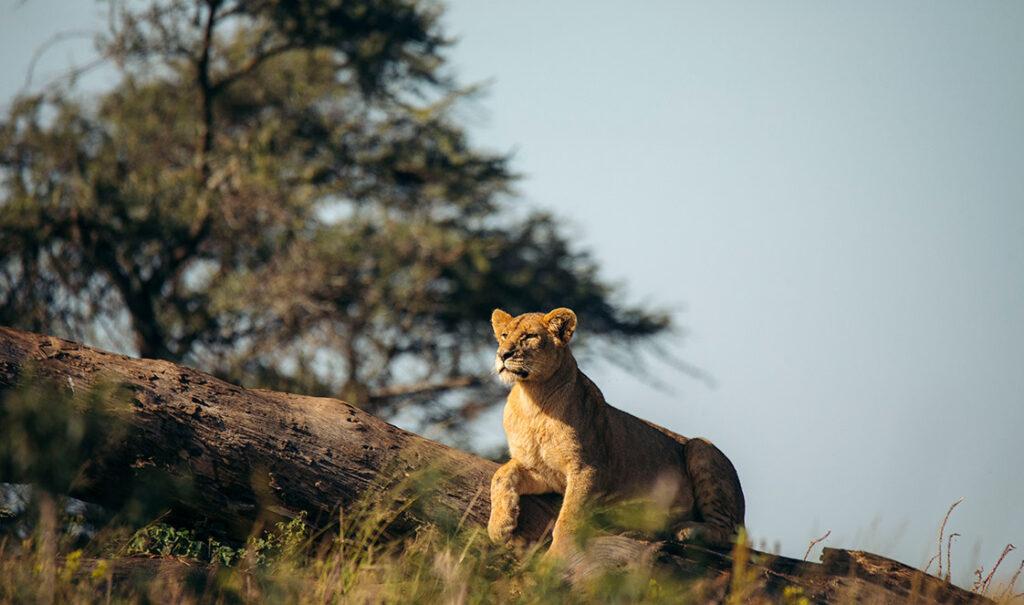
Best of Tanzania
Places Tarangire National Park, Serengeti National Park, Karatu, Ngorongoro Crater
from 3,060 USD per person sharing
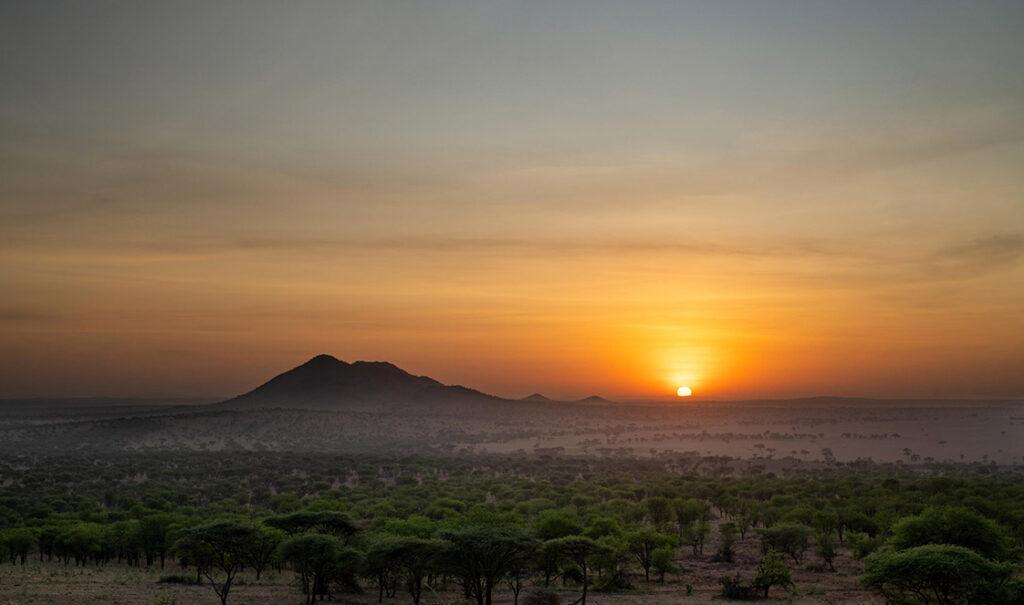
Tanzania in Style
Places Tarangire National Park, Karatu, Ngorongoro Crater, Serengeti National Park
from 3,650 USD (based on 7 persons)
Laundry Services on Safari – Pack Light & Smart
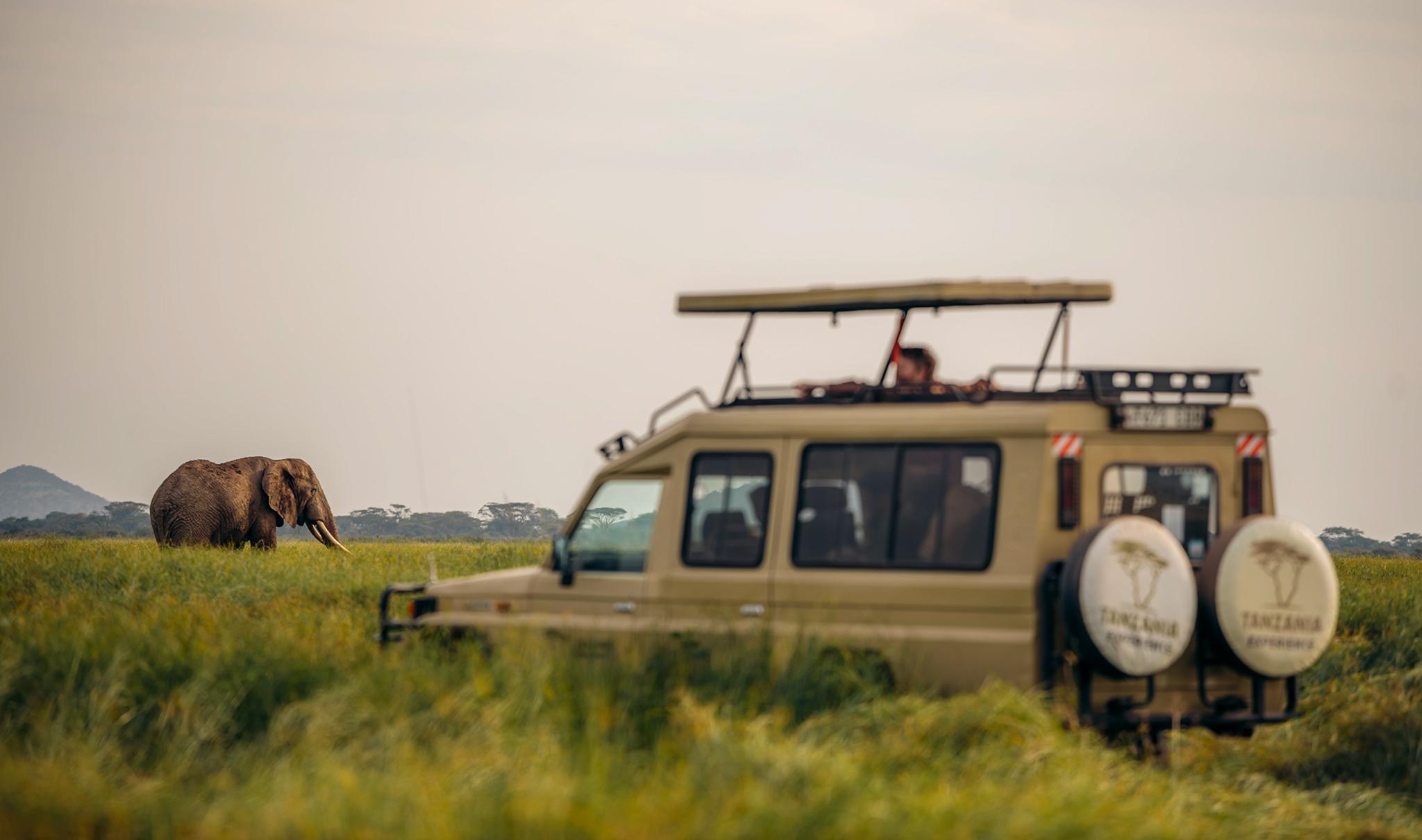
Your safari in Tanzania will take you across wide open plains in 4×4 vehicles. At times you may even be boarding a bush plane to get from one lodge to another.
Both safari vehicles and bush planes are somewhat restricted in terms of space. So when packing for your safari in Tanzania, it’s best to keep it light. Travel with a soft bag rather than a hard suitcase and pack light clothes that can fold or roll up nicely.
Many lodges and tented camps offer same-day laundry services so you don’t have to overpack. Bring quick-drying fabrics, which are both practical and comfortable in Tanzania’s changing climate, and make daily washing much easier.
Good to know: Not all laundry services offer to wash underwear. It’s wise to either bring enough change for the entire stay or a small pack of travel soap for hand-washing.
Cultural Visits – Dress with Respect
If your safari includes a visit to a local village or community, it’s important to dress modestly and respectfully. While Tanzania is generally relaxed, dressing appropriately shows cultural awareness and respect for local traditions.
Both men and women should cover shoulders and knees and avoid clothing that is overly tight or revealing. For women, a lightweight scarf can be useful; for men, a short-sleeved shirt and long trousers are ideal.
Neutral tones are always a good choice. Not only are they practical, they also help you remain respectful and low-key when interacting with local communities.
What to Wear in the Evenings at Camp or Lodge
Evenings on safari are typically cooler and more relaxed, so casual comfort and layering are key. Long sleeved shirts and trousers are recommended in the evening, as they offer protection from mosquitoes and other biting insects.
Also remember that temperatures can drop considerably after sundown – especially in higher altitude areas like Lake Manyara or Tarangire. It is a good idea to bring a jumper, fleece, or light jacket to stay warm.
For casual lodges and camps, a comfortable change of clothes after your game drive is perfectly acceptable. However, higher-end lodges may call for a slightly smarter look – think smart-casual. This includes collared shirts for men or a maxi dress with a shawl for women.
When walking around camp at night, especially in unfenced areas, closed-toe shoes are strongly advised for safety and comfort. Whether you’re gathered round the fire or dining under the stars, your evening dress should be practical, comfortable, and safari-sensible.

Mistakes to Avoid When Packing for Safari
Answering the question of what to wear on safari in Tanzania requires thought and restraint. Avoid the following pitfalls to ensure a comfortable trip without overpacking, which is a common mistake.
Bulky items like jeans take up space and don’t dry easily. Instead, pack lightweight, quick-drying layers. While keeping lightweight clothing in mind, don’t underestimate early-morning temperatures. Game drives can be chilly, so bring a warm fleece or jacket.
Another thing to avoid are hard-shell suitcases or wheeled luggage. Soft duffel bags are much more suitable for bush planes and safari vehicles.
Avoid bright colours as they may disturb wildlife, and keep in mind that camouflage is best avoided entirely. In Tanzania, only military personnel are permitted to wear it.
Don’t forget UV protection – a wide-brimmed hat, sunglasses, and high-SPF sunscreen are essential. Finally, sturdy, closed-toe shoes are a must for walking in the bush.

Final Thoughts – What to Wear on Safari in Tanzania
I hope this article on what to wear on safari in Tanzania has helped you figure out how to pack smart for your upcoming safari. Dressing well for safari is about practicality, comfort, and respect for your surroundings.
With the right safari clothing – breathable layers, neutral tones, and sensible footwear – you’ll stay comfortable and protected.
Remember to pack smart, travel light, and be mindful of local customs and conditions. It means you are ready for any kind of adventure, from sunrise game drives to evening dinners under the stars.
Ready to go? Contact us to help you with planning your Tanzanian safari. Once you are set to go, use this guide as your starting point for a truly unforgettable experience.

I’ve been to Tanzania a few times, and one thing I’d recommend is bringing a lightweight scarf or shawl. It’s super versatile for both sun protection and a bit of warmth during early morning game drives.