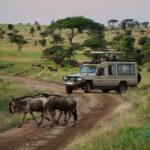
The feeling of anticipation as you descend the narrow road into the Crater is unlike anything you’ll experience in other protected wildlife areas. It’s not only one of the best places for wildlife sightings on the continent, but also a place of uniqueness, wonder, and abundance, leaving you in awe of the natural world.
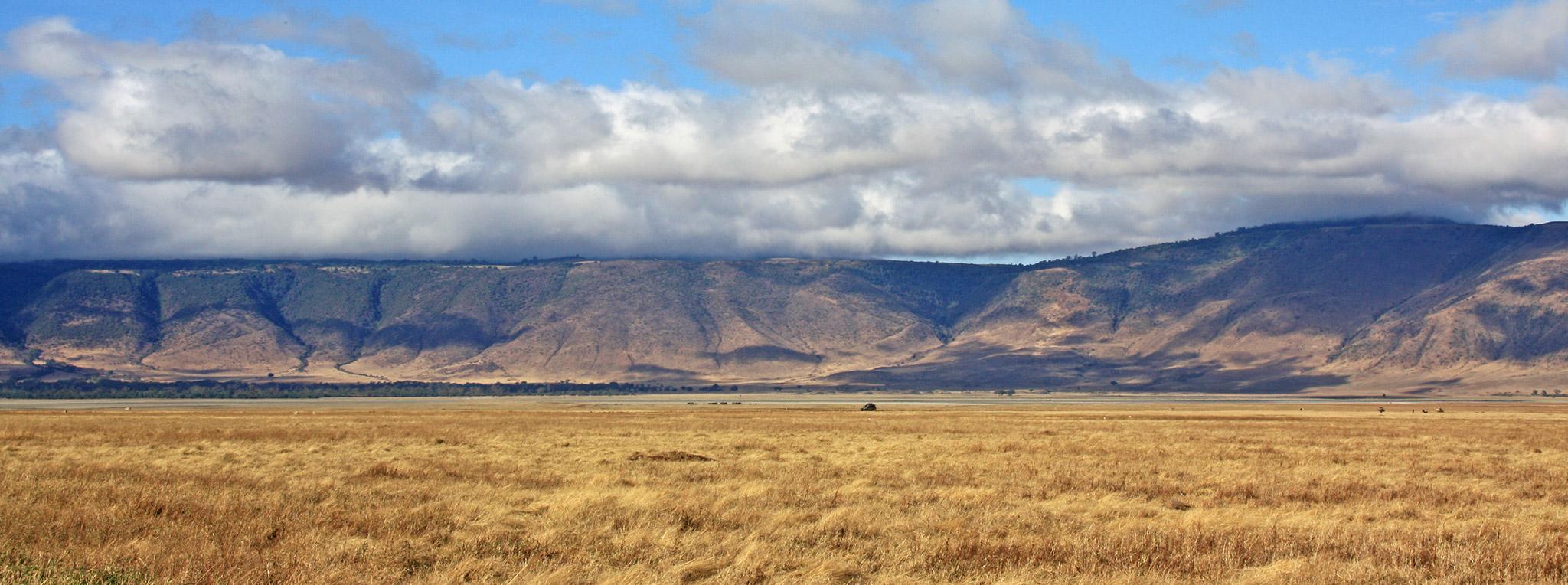
The Ngorongoro Crater is the world’s largest unbroken, inactive, and unfilled caldera. With a diameter of approximately 19 km (12 miles) and its majestic walls that rise just over 610 m (2000 feet), the crater floor covers an area of 260 sq km (100 sq miles). Over 30,000 animals, including the rare black rhino, are part of the Big Five that call this unique place their home. The Crater was formed when a gigantic volcano – said to have been as high as Mt Kilimanjaro – erupted and collapsed about 2.5 million years ago.
Today, the crater floor is covered by various landscapes, ranging from dense mountain forests and woodlands to grasslands, lakes, and swamps. Water sources include the two main rivers, Munge River in the west and Lerai River in the east as well as the Ngotokitok spring that spills into a swamp.
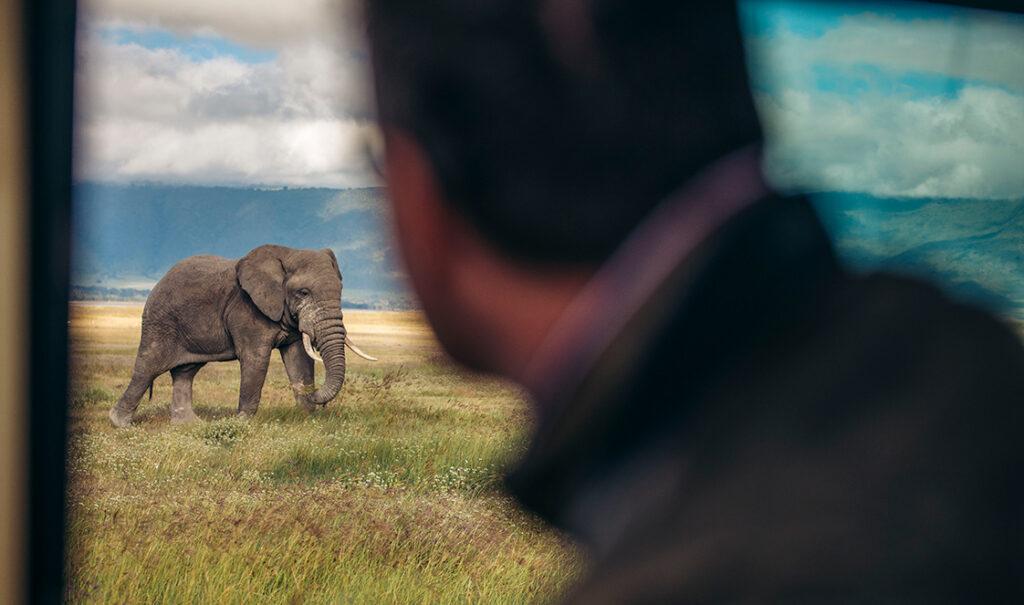
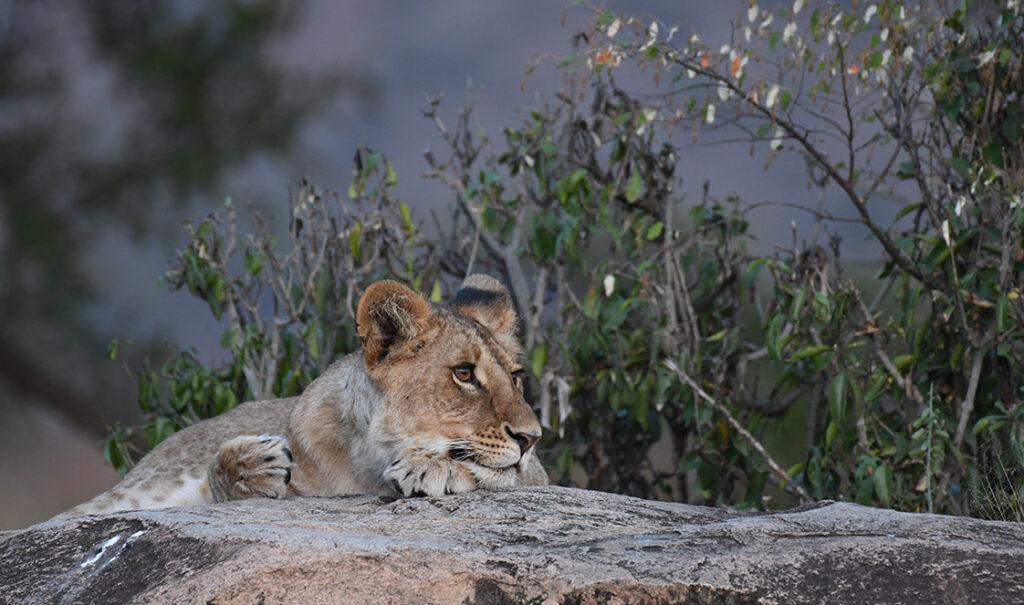
Huge herds of ungulates dominate the crater floor, with zebras, wildebeests, elands, Grant’s and Thompson’s gazelles as the species most commonly seen. But the crater is also home to the Big Five, and elephants, lions and buffaloes are often spotted. Leopards are rarely seen as they prefer staying in the forests on the crater rim. The very rare black rhino is also at home in the crater, and sightings are fairly common. Serval cats, spotted hyenas and jackals are also often seen, while cheetahs are more difficult to spot.
But it is not only mammals that reside here. You can see a great number of lesser flamingos at Lake Magadi, a primarily alkaline lake. Other common birds include ostriches, Kori bustards, crowned cranes, white-backed vultures, black kites, cattle egrets, tawny eagles, augur buzzards and many more.
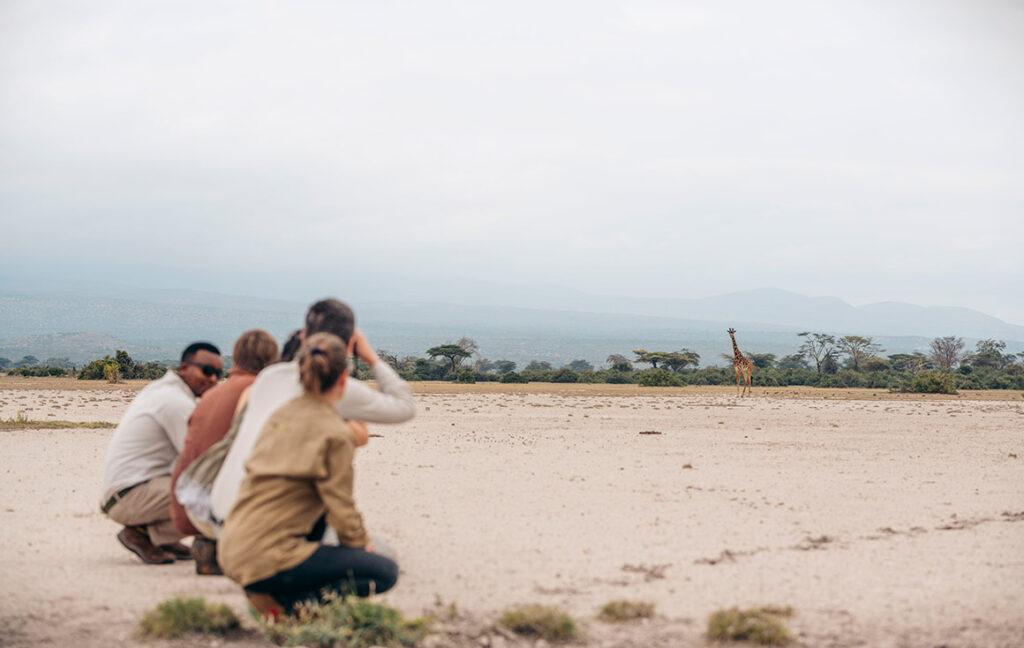
A walk along the Ngorongoro Crater rim accompanied by a ranger takes visitors on a trail created by livestock. The trail passes moss-covered trees and Masai bomas, offering breathtaking views of the crater below. It’s one of the few popular wildlife areas in Tanzania, where you can experience your surroundings on foot.
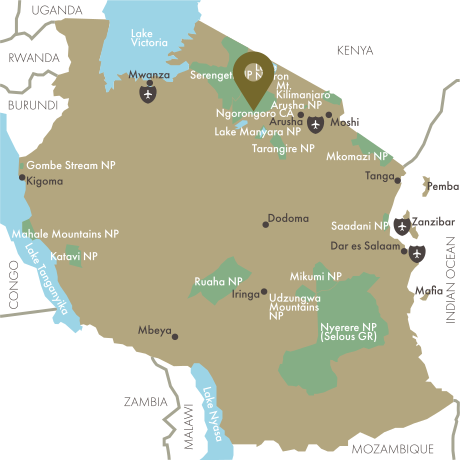
The famous Crater is part of the Ngorongoro Conservation Area, a large area of protected land. The Ngorongoro Conservation Area was officially declared a UNESCO World Heritage Site in 1979. The area consists of various landscapes and includes dense mountain forests, woodlands, grasslands, lakes, and swamps. Some of the most important archaeological sites in the world, such as Oldupai Gorge and Laetoli, are in the Ngorongoro Conservation Area. Archaeologists found evidence showing that the area was occupied by hominids over 3 million years ago, thus claiming that it could be the birthplace of mankind.
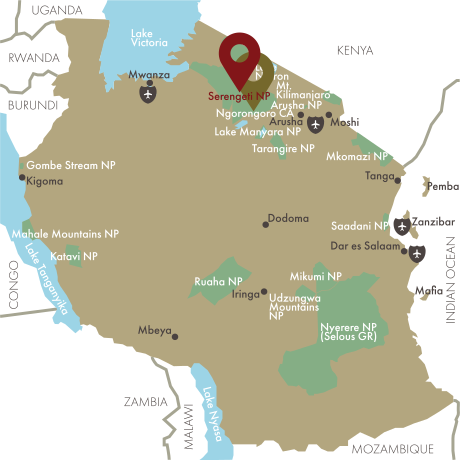
Today, over 40,000 Masai reside in the area, making the Ngorongoro Conservation Area one of the only places in Tanzania where human habitation is allowed within a wildlife-protected area. The conservation shares a boundary with the Serengeti National Park, and you need to drive through the conservation in order to get to the Serengeti.
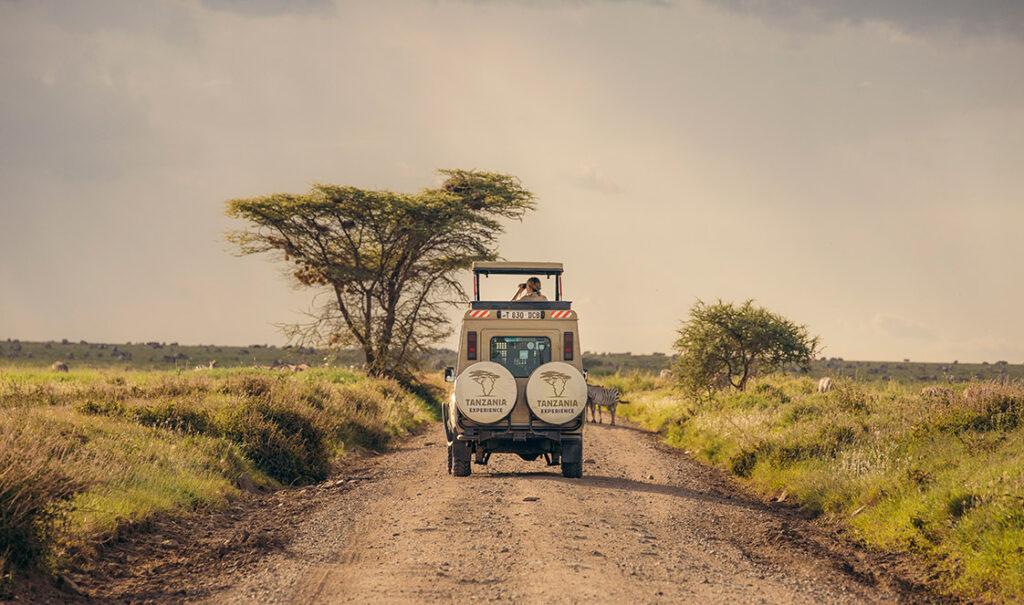
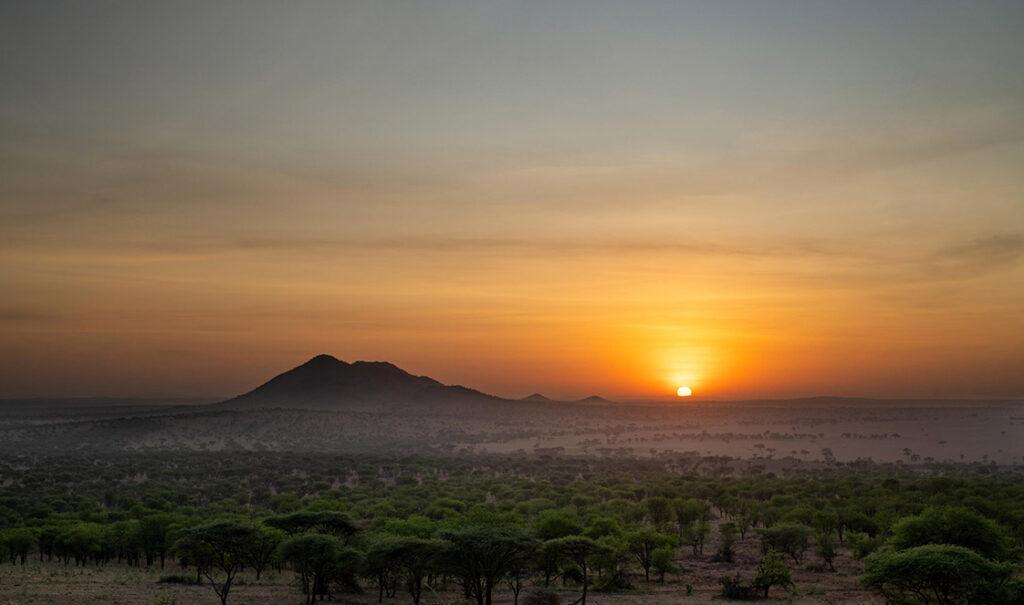
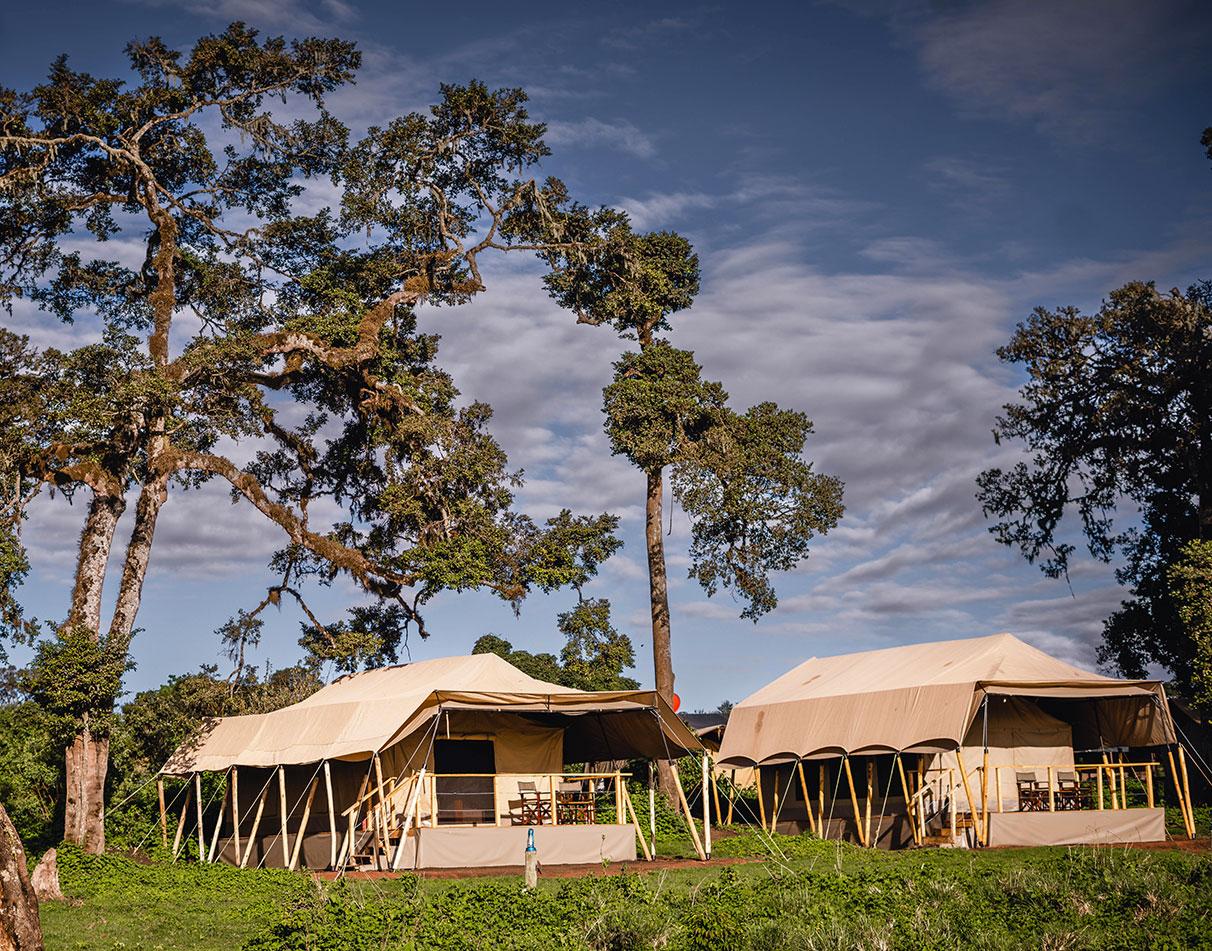
There are no accommodation options located at the bottom of the Crater floor. You drive into the Crater for game drives during the day but drive back up before the sun sets. There are a few exclusive lodges and camps, as well as one campsite along the Crater rim overlooking the caldera. Staying here grants you the view of a lifetime and an unforgettable sunset.
However, most accommodation options are located close to the small town of Karatu in the Ngorongoro highlands. You can stay at coffee plantations and beautiful manor houses overlooking coffee fields and rolling hills. It does take about an hour to drive from Karatu to the Crater. And while this means you won’t be the first to reach the Crater floor for your game drive in the morning, you will still have an amazing safari experience – and an accommodation that’s friendlier on your wallet too.