on Tripadvisor


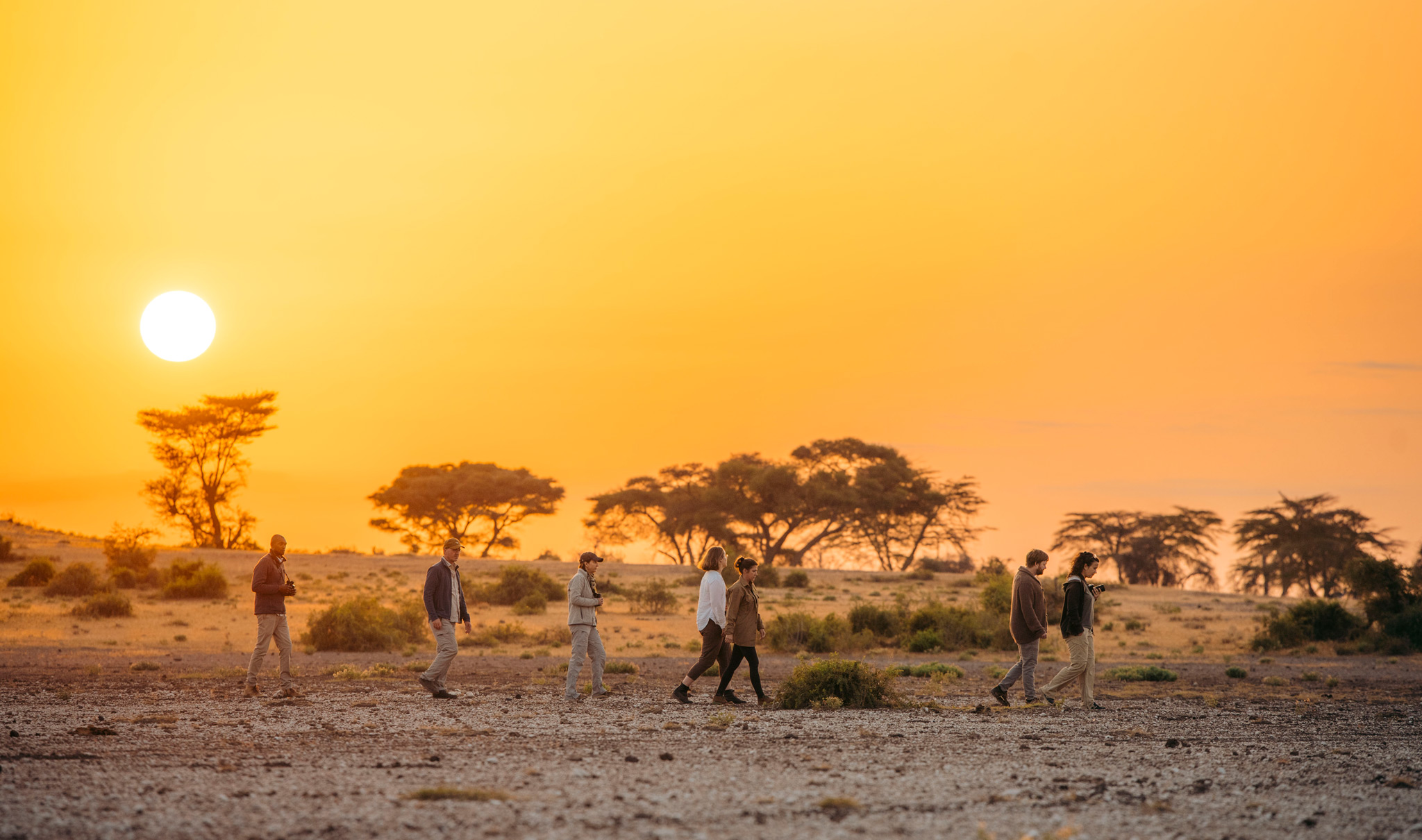
The Serengeti in Tanzania and the Masai Mara in Kenya are two of Africa’s most iconic safari destinations. They are often compared by travellers seeking the ultimate African experience and a prime wildlife experience.
Being part of the same vast ecosystem, both parks share migratory animals, spectacular scenery, and rich biodiversity. Renowned for its endless plains, the Serengeti is particularly popular for the annual Great Migration.
This spectacle – happening year-round – sees millions of wildebeest and zebras traverse the region in search for fresh feeding grounds. The Masai Mara, on the other hand, is famed for its dense predator populations and cultural experiences with the Maasai.
While the Serengeti offers a sense of wilderness and solitude, the Mara provides more concentrated wildlife sightings and easier accessibility. Understanding what each park offers helps you decide where to put your focus, depending on your interests, preferences and timeframe.
Location & Geography
Sitting side by side, the Serengeti and Masai Mara form one of the world’s most famous wildlife regions. While separated by an international border, the two East African parks share ecosystems, migratory animals, and spectacular landscapes. However, each has its own unique features that draw safari-goers from around the globe.
Where Are the Serengeti and Masai Mara Located?
The Serengeti National Park stretches across northern Tanzania, covering approximately 14,750 square kilometres of savannah, woodlands, and riverine forests.
Just across the border in southwestern Kenya lies the Masai Mara National Reserve. It is known for its expansive wilderness, while the Masai Mara is celebrated for its accessibility and concentration of wildlife. It may “only” cover around 1,510 square kilometres, yet, it is equally spectacular and diverse.
Both parks sit within the same ecological zone, which is home to vast herds of animals. You can expect to not only witness wildebeest, zebras, and gazelles, but also Africa’s famous Big Five.
Distance Between the Serengeti and Masai Mara
Depending on the route, the two parks are separated by roughly 150 to 200 kilometres. Their proximity makes it easy to embark on cross-border safaris like our 10-day Tanzania and Kenya Highlights tour. Those are ideal for adventurous travellers who want to explore the full spectrum of East African landscapes and wildlife.
Landscapes Compared – Serengeti vs Masai Mara
Covering a vast region in northern Tanzania, the Serengeti boasts diverse landscapes across its southern, central, western, and northern regions.
In the southern Serengeti, the Grumeti and Mara rivers are prime sites for witnessing the Great Migration crossings. The central plains are the heart of the migration, while the western corridor features riverine forests and koppies. Rising from the plains, these small rocky hills are ideal for spotting predators.
Being more remote, the northern Serengeti has fewer visitors and offers unique wildlife viewing opportunities.
In Kenya, the Masai Mara Reserve and its surrounding conservancies feature rolling grasslands, acacia-studded plains, and the Mara River. All these combine to create an iconic safari scenery.
Both parks provide remarkable game-viewing, yet the Serengeti feels wilder and more vast. In comparison, the Masai Mara offers a more concentrated and accessible safari experience, ideal for shorter trips.

How to Get There
Thanks to various air and road options, reaching the Serengeti and Masai Mara is easier than you might think. While both are remote, several well-established routes make access straightforward, whether you prefer a scenic drive or a quick flight.
Getting to the Serengeti (Tanzania)
Most travellers reach the Serengeti via Kilimanjaro International Airport, followed by a road transfer or charter flight. Road access can be long but scenic, as it takes you through Tanzania’s stunning northern landscapes.
For quicker access small aircraft fly directly to airstrips within the park. Such fly-in options are preferred by those with limited time or wanting to avoid long drives.
They are also ideal for anyone combining a safari with a trekking tour on Mount Kilimanjaro, which usually takes six to seven days. Offering convenience without compromising the safari experience, fly-in options can be booked as part of a tailor-made safari.
Getting to the Masai Mara (Kenya)
The Masai Mara can be easily reached from Nairobi by road, with the drive taking around five to six hours. Alternatively, you can take a short domestic flight to one of various airstrips within the reserve.
Fly-in options save time and maximise your time on safari, while road trips allow you to enjoy Kenya’s scenic countryside. When travelling by car, you can also stop at cultural or photographic points along the way.
Visiting Both Parks in One Trip
It’s entirely possible to explore both the Serengeti and Masai Mara in a single safari adventure. With our sister company in Kenya, we offer a variety of cross-border tours with the benefit of seamless logistics throughout.
You can choose from our 13-day Best of Tanzania and Kenya or a slightly shorter Tanzania and Kenya Highlights itinerary.
Visiting both parks allows you to experience both the vast Serengeti plains and the concentrated wildlife of the Masai Mara. Whether with a pre-arranged or a tailor-made safari, this is a combination that epitomises the ultimate East African safari experience.

Wildlife Experience – Serengeti vs Masai Mara
Both the Serengeti and Masai Mara offer unforgettable wildlife encounters, yet each park has its own character. Knowing your preferences – from predator sightings to birdwatching – will help you decide which park to choose.
Unique Species in Each Park
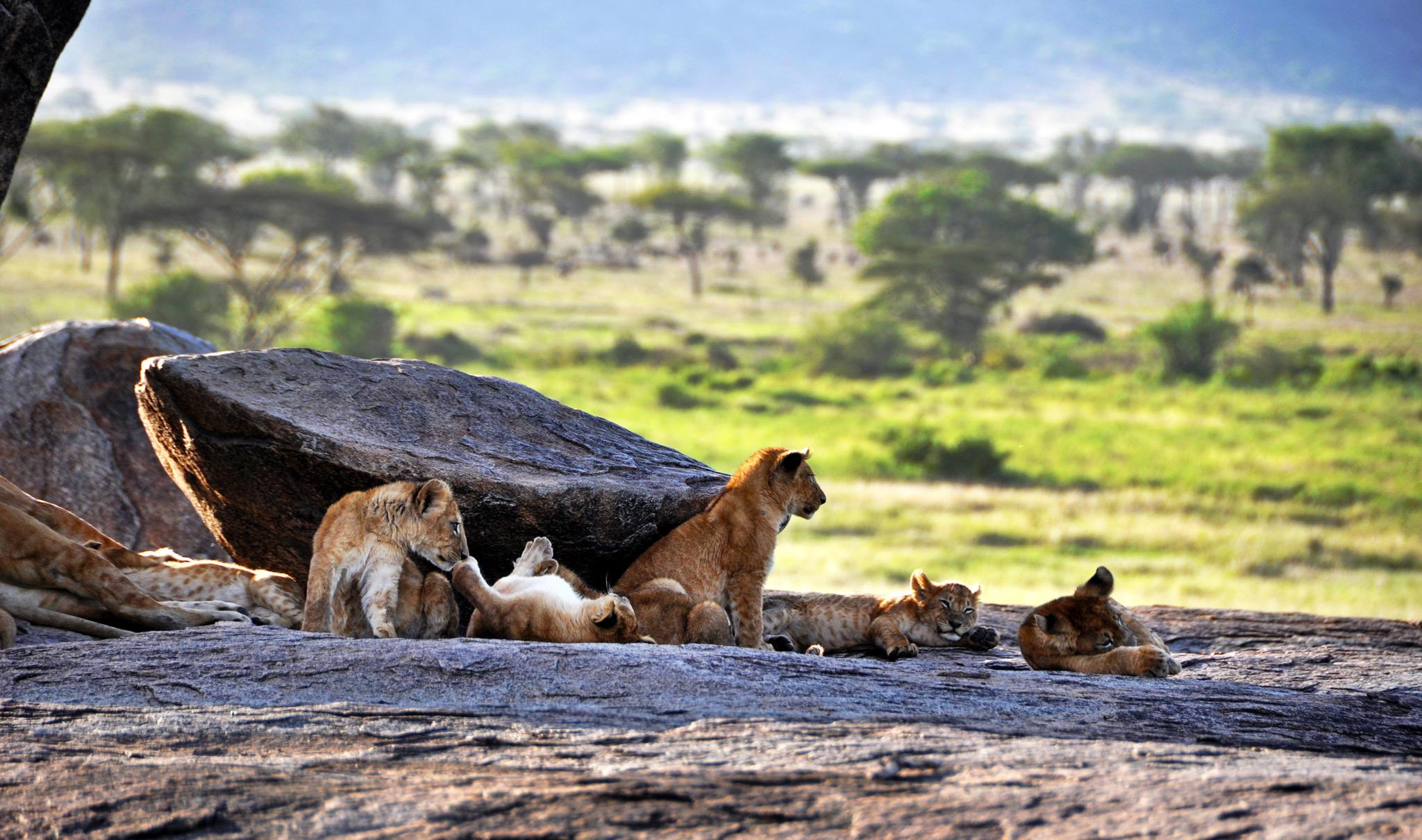
Apart from Great Migration safaris, the Serengeti is particularly famed for its big cat diversity. While this includes lions as well as leopards and cheetahs, large lion prides are observed frequently. Serengeti is also home to rare antelope species and abundant herbivore herds such as Thomson’s gazelles, elands, and kongoni.
While significantly smaller, the Masai Mara is notable for its higher cheetah density and more frequent sightings of rhinos. Both parks offer opportunities to spot the iconic African Big Five, but the type and concentration differ.
These contrasts highlight why combining Serengeti and Masai Mara or choosing either park can create distinct – and memorable – safari experiences.
Birdwatching
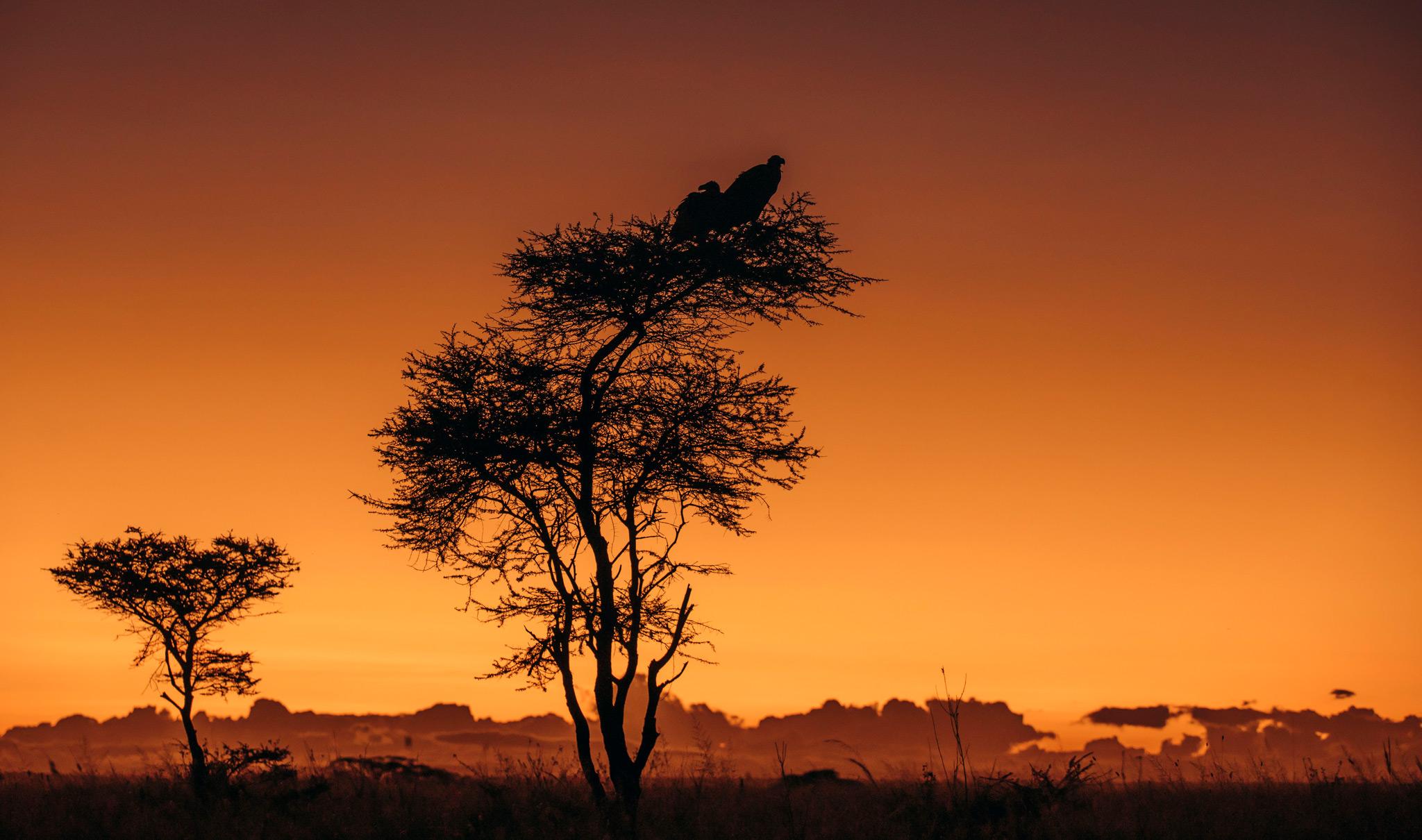
Both the Serengeti and the Masai Mara attract numerous birds, making them ideal for birding safaris. Raptors such as eagles, vultures, and hawks soar overhead, while special sightings – including secretary birds and lilac-breasted rollers – delight enthusiasts.
Passing through seasonally, migratory birds add additional bursts of colour to the savannah.
The Serengeti’s vast habitats support wide-ranging avian life, whereas the Mara’s riverine areas offer concentrated birdwatching opportunities. Whether dedicated birdwatcher or casual observer, you can spot striking and unique species in their natural habitats in both parks.
Overall Wildlife Density – Serengeti vs Masai Mara
The Serengeti boasts vast expanses of wildlife, with herds of wildebeest, zebras, and gazelles roaming in seemingly endless numbers. The park’s size and variety of habitats create a sense of wild openness, where sightings can be spread out.
Its diverse ecosystems also support large populations of lions, leopards, and cheetahs, making predator sightings possible across different regions.
The Masai Mara often feels more concentrated, with large gatherings of herbivores and predators visible in a single game drive. For those seeking frequent close encounters, Mara’s animal density provides a safari experience rich in action.

The Great Migration – Serengeti or Masai Mara?
With millions of wildebeest, zebras, and gazelles moving across Tanzania and Kenya, the Great Migration is a truly spectacular event. If you want to witness the action without impacting the animals’ natural routes, timing and location are of the essence.
Migration Overview
The Great Migration is unarguably one of the most spectacular wildlife events on Earth. This continuous journey is driven by seasonal rains and the search for fresh grazing, creating a year-round spectacle of wildlife.
- Movement occurs year-round, following rains and grazing.
- January to March is calving season in the southern Serengeti, seeing thousands of newborns.
- From April to June, the herds gradually move northwards through central and western Serengeti.
- River crossings of the Grumeti in the Serengeti occur mainly from May to June.
- Herds generally cross the Mara River in the Serengeti from July to September and from August till October in the Masai Mara.
- By October/November, herds are returning south with the onset of rains.
Where You Should Be Depending on the Month
The experience you have on a safari largely depends on timing. Whether you prefer predator action, newborns, or the spectacle of river crossings, choosing the right month ensures optimal sightings.
January to March is calving season in the Serengeti – you’ll see many young animals and maybe even witness a birth. July to October are ideal for river crossings, both in northern Serengeti and Masai Mara. November to December sees herds returning south, and it coincides with crowds dropping in numbers, providing more intimate experiences.
By planning according to these seasonal patterns, you can maximise the safari experience in each park. Get in touch with our travel experts to learn more and design an itinerary tailored to your preferences.

Activities – What You Can Do in Each Park
Both the Serengeti and Masai Mara offer more than just traditional game drives. From aerial adventures to cultural encounters, they provide a range of activities that make every safari unique. Choosing the right mix depends on your interests and how you want to experience Africa’s wildlife.
Game Drives
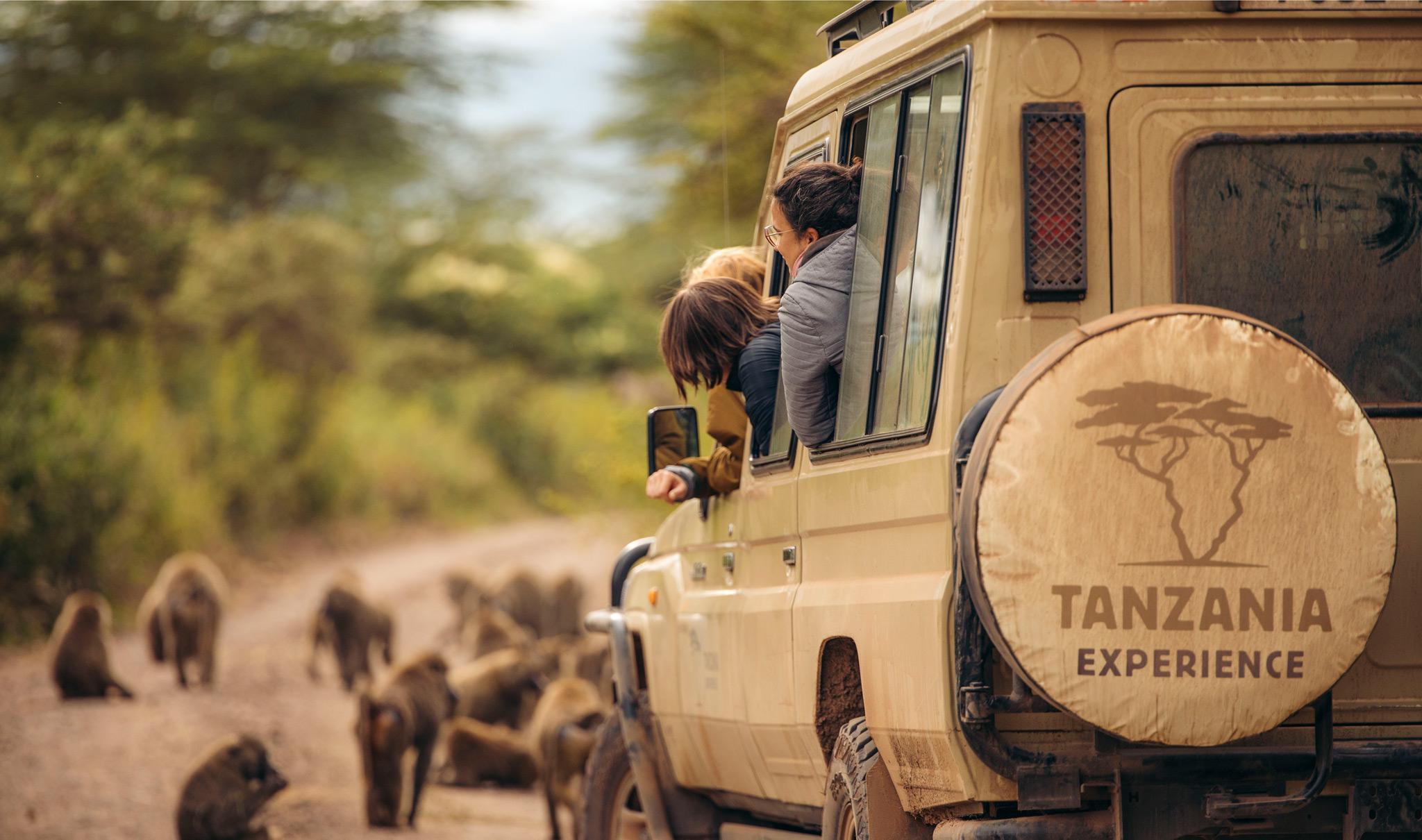
Game drives are the quintessential safari experience in both parks. Early morning or late afternoon drives offer the best chance to spot predators and active wildlife.
In the Serengeti, vast plains mean wildlife is more spread out. In the Masai Mara, animals are often easier to locate due to the park’s higher animal density.
Knowledgeable guides ensure thrilling encounters in either park, from lions and cheetahs to elephants and giraffes. Along the way they’ll share insights into animal behaviour and ecology.
Hot Air Ballooning in the Serengeti vs Masai Mara
A hot air balloon safari provides a spectacular perspective of the iconic landscapes that both parks are known for. In the Serengeti, balloons drift over endless plains, offering sweeping views of migrating herds.
Balloon rides in the Masai Mara are equally memorable, with early morning light illuminating rolling grasslands and dense wildlife concentrations.
Both experiences usually include a champagne breakfast after landing, making for a truly unforgettable start to the day.

Recommended Tours
There are numerous ways to explore the Serengeti and Masai Mara, from guided group tours to bespoke itineraries. Choosing the right safari ensures you experience the parks’ highlights efficiently and comfortably.
Serengeti Tours
Serengeti tours can range from short two- to three-day itineraries to more extended adventures. Popular options include guided game drives across the central plains, with visits to the Grumeti and the northern regions.
Throughout the year, you’ll be presented with opportunities to witness the Great Migration at key river crossings. For wildlife enthusiasts, early morning and late afternoon drives maximise sightings of predators and herbivores alike.
To get the most out of what you really want to experience, tailor-made safaris are often the best choice. Alternatively, you can choose from several small-group itineraries, catering to all budgets and safari styles, from family-friendly to luxury experiences.
From camping on The Wild Side to experiencing Tanzania in Style, our tours all guarantee seamless logistics and expert guidance.
For those seeking a deeper immersion in nature, specialised tours focus on birding, big cats, or photography. With local knowledge and carefully planned routes, every safari is designed to offer unforgettable encounters with the Serengeti’s iconic wildlife.
Serengeti and the Masai Mara in One Trip
If you want the best of both worlds, combined Serengeti and Masai Mara tours are your best choice. These itineraries allow you to experience the Serengeti’s plains and the concentrated wildlife of the Mara in a single journey.
En route you can enjoy diverse landscapes while also encountering a wide range of species migrating between both parks.
In cooperation with our sister company Kenya-Experience, we coordinate transfers and logistics to ensure smooth border crossings and an overall seamless cross-border safari.
Expert guides accompany you throughout, providing insights into wildlife behaviour, conservation, and local culture. Whether you are seeking close predator sightings, scenic vistas, or an all-encompassing adventure, combined tours offer a truly unforgettable experience.
Tailor Made Tours
Tailor-made safaris allow you to design a unique itinerary around your interests – including preferred accommodation and safari styles – and timeframe. Bespoke Serengeti tours can include longer stays in specific regions and hot air ballooning as well as dedicated migration safaris.
Combo tours across Tanzania and Kenya can also be customised. This is particularly interesting if you are looking for certain accommodation types and guided experiences that match your pace.
Whether seeking a luxury, family, or adventure-focused safari, a tailor-made tour provides flexibility and a personalised touch.
Chat to one of our travel experts to find out more about different options. They will help you design a tailor-made itinerary to one or both parks, either by car or with fly-in options.

Best Time to Visit
Both the Serengeti and Masai Mara have distinct seasons that affect wildlife movements, weather conditions, and visitor numbers. Timing your safari can make a huge difference to what you see and experience.
Serengeti – Seasonal Highlights
The Serengeti’s wildlife patterns follow the rains. January to March is calving season in the southern plains, offering excellent predator and newborn sightings.
From April to May, the landscapes are particularly lush thanks to the long rains. This seasonal phenomenon, however, also means that certain areas are harder to access.
The months from July to September are ideal for witnessing the northern migration with spectacular river crossings.
During November and December, with the short rains imminent, herds are gradually returning south again. Understanding these patterns allows our travel experts to curate unforgettable, seasonally optimised safaris throughout the year.
Masai Mara – Seasonal Highlights
The Masai Mara’s highlights closely follow the northern migration from the Serengeti. August to October is peak season for river crossings and predator sightings, while November to December sees herds dispersing southwards.
Outside the migration, the Mara still offers excellent game viewing, particularly of resident wildlife such as lions, elephants, and cheetahs.
The Mara’s smaller size makes it easier to locate concentrated wildlife year-round, offering a rewarding safari even on shorter visits. Its lush riverine habitats also attract abundant birdlife and support consistent predator–prey interaction, ensuring memorable sightings in every season.
Weather and Crowds
The dry season lasts from June to October in both the Serengeti and the Masai Mara. It brings cooler temperatures, lower rainfall, and the highest visitor numbers in either park. Roads are more accessible, and animals gather around water sources, improving sightings.
The wet season, November to May, sees fewer tourists, greener landscapes, and many newborns. While some areas may be difficult to reach due to muddy conditions, these months can provide you with unique sightings.
Choosing between fewer crowds or easier travel depends on your priorities. Planning your safari around seasonal weather patterns ensures the best combination of wildlife viewing and comfort.
Some of our favourite tours:
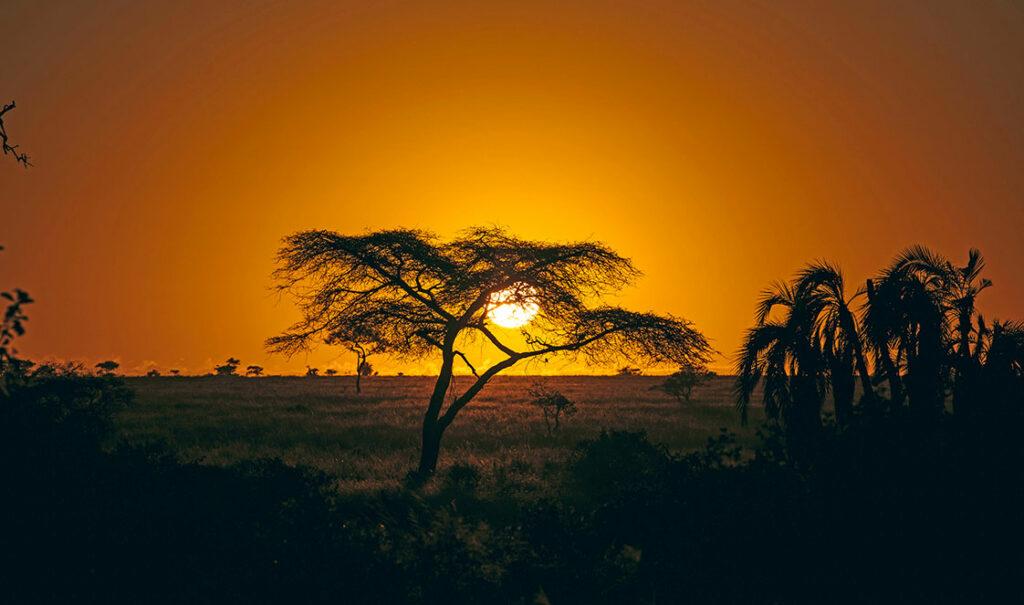
Best of Tanzania and Kenya
Places Tarangire National Park, Ngorongoro Crater, Serengeti National Park, Lake Victoria, Masai Mara Game Reserve, Amboseli National Park
from 6,710 USD per person sharing
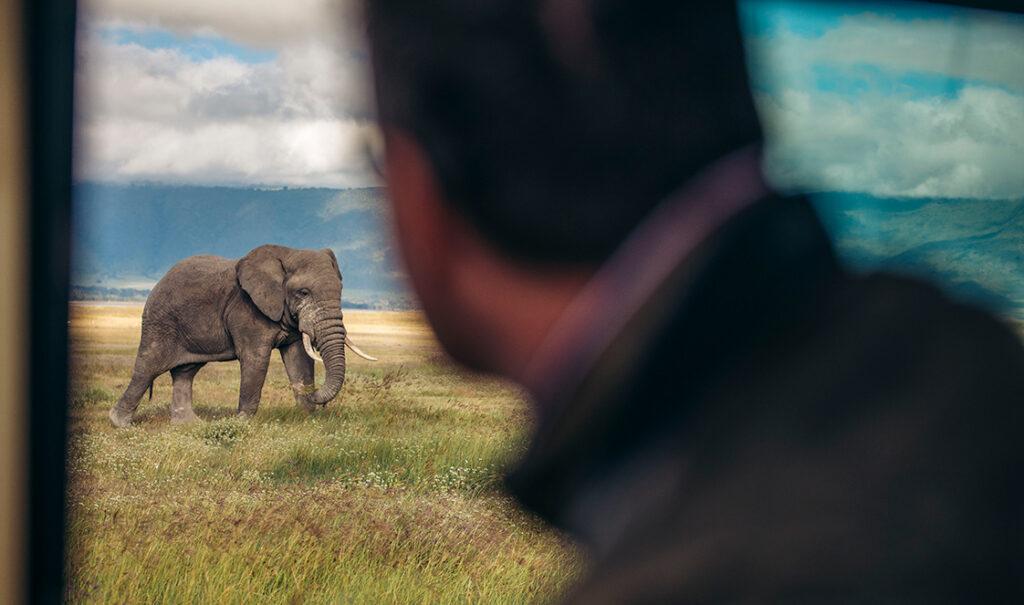
Impressive Tanzania
Places Tarangire National Park, Serengeti National Park, Ngorongoro Crater
from 2,230 USD per person sharing
FAQs – Serengeti vs Masai Mara
Which is better – Masai Mara vs Serengeti?
Deciding which park is “better” depends on what you want from your safari. The Serengeti offers vast, untouched plains and the dramatic Great Migration over a longer season.
Much smaller in size, the Masai Mara is more accessible, with concentrated wildlife and frequent predator sightings. It also provides cultural experiences with the Maasai people.
This overview should allow you to choose depending on whether you prefer vast wilderness or higher animal density.
Is the Masai Mara in the Serengeti?
No, the Masai Mara is a separate park located in southwestern Kenya, whereas the Serengeti lies in northern Tanzania.
Being only separated by a border, they form one continuous ecosystem, and many animals migrate between them.
The Mara is effectively the northern extension of the Serengeti plains, sharing similar landscapes, predator-prey dynamics, and migratory routes. This is why they are often compared or visited together on a cross-border safari.
Is there more wildlife in the Serengeti or Masai Mara?
Both parks are rich in wildlife. However, the Serengeti’s much larger size allows for vast herds of wildebeest, zebras, and antelopes roaming its expansive plains.
At only about a tenth of the Serengeti’s size, the Masai Mara feels much more concentrated. Here, it is not uncommon to spot large prides of lions, cheetahs, and elephants in a single game drive.
Essentially, the Serengeti offers variety and scale, while the Mara provides frequent, close-up encounters. Your choice depends on whether you prefer sweeping vistas or wildlife density.
Is a Masai Mara or Serengeti safari more affordable?
In terms of cost comparison, safaris in the Masai Mara can be slightly more affordable. This is mostly due to its offerings of budget conscious, large camps and lodges and easier accessibility from Nairobi.
Serengeti safaris may involve longer transfers, domestic flights, or more extensive guided itineraries, and less high volume Lodges, which can increase costs.
That being said, both parks offer a range of accommodation options from budget to luxury lodges. Booking early and joining group tours can help reduce costs, ensuring an unforgettable safari experience within the chosen budget.
When is the best time for the Great Migration?
The Great Migration is a year-round phenomenon, but timing determines the type of experience you’ll have.
January to March are ideal for calving in the southern Serengeti. From June to October, the herds move north, with river crossings in the northern Serengeti and Masai Mara.
If you visit during November and December, you will witness the herds returning south. Knowing about this recurring cycle helps you determine the right month for your visit. It ensures optimal sightings, whether you want newborns, crossings, or predator action.
Can you visit both the Serengeti and Masai Mara in one trip?
Yes, it is possible to visit both parks on a single safari. Tanzania-Experience and its sister company Kenya-Experience offer combined itineraries with smooth border crossings.
This allows you to experience the Serengeti’s vast wilderness and the Mara’s concentrated wildlife within one journey.
Flights and road transfers make the trip feasible, while guided tours ensure you maximise sightings. Combined trips offer a comprehensive East African safari without missing the highlights of either park.

Final Verdict – Serengeti or Masai Mara?
Both the Serengeti and Masai Mara offer unforgettable safari experiences, yet each has its own appeal. The Masai Mara is perfect for concentrated wildlife sightings and easy access from Nairobi.
The Serengeti, meanwhile, captivates visitors with its vast, untamed plains, diverse habitats, and the epic scale of the Great Migration. Its sheer scale and spirit of wilderness make it a standout for travellers seeking the quintessential African safari.
Thus, it remains the ultimate safari destination in Tanzania for anyone seeking a true sense of wilderness and variety.
However, no matter which destination you choose, they both promise moments of awe. From dedicated Serengeti adventures to combined Tanzania-Kenya trips, expert guidance ensures a smooth trip with unique and unforgettable wildlife encounters.
If you’re ready to start your safari journey, get in touch with our travel experts on the ground in Tanzania. With their local expertise and insider knowledge they’ll tailor an itinerary that is perfectly aligned with your interests and preferences.