on Tripadvisor


Like any country in the world, tipping for fine service is the rule in Africa, rather than the exception. A topic of much uncertainty and confusion, clients are often in doubt of what to do when they go on a safari in Africa.
We offer a few pointers:
- Tipping is an established part of the safari industry in Africa and contributes greatly to the income of many porters, guides and workers in the tourism industry.
- When planning a climb on Kilimanjaro, Mt Meru or Mt Kenya, bring cash for tips. Your tip for the trekking crew should be 10% to 15% of the cost of the trek.
- Safari guides deserve a tip for exceptional guiding. A tip of around $10-$20/day (from the group) will be appreciated.
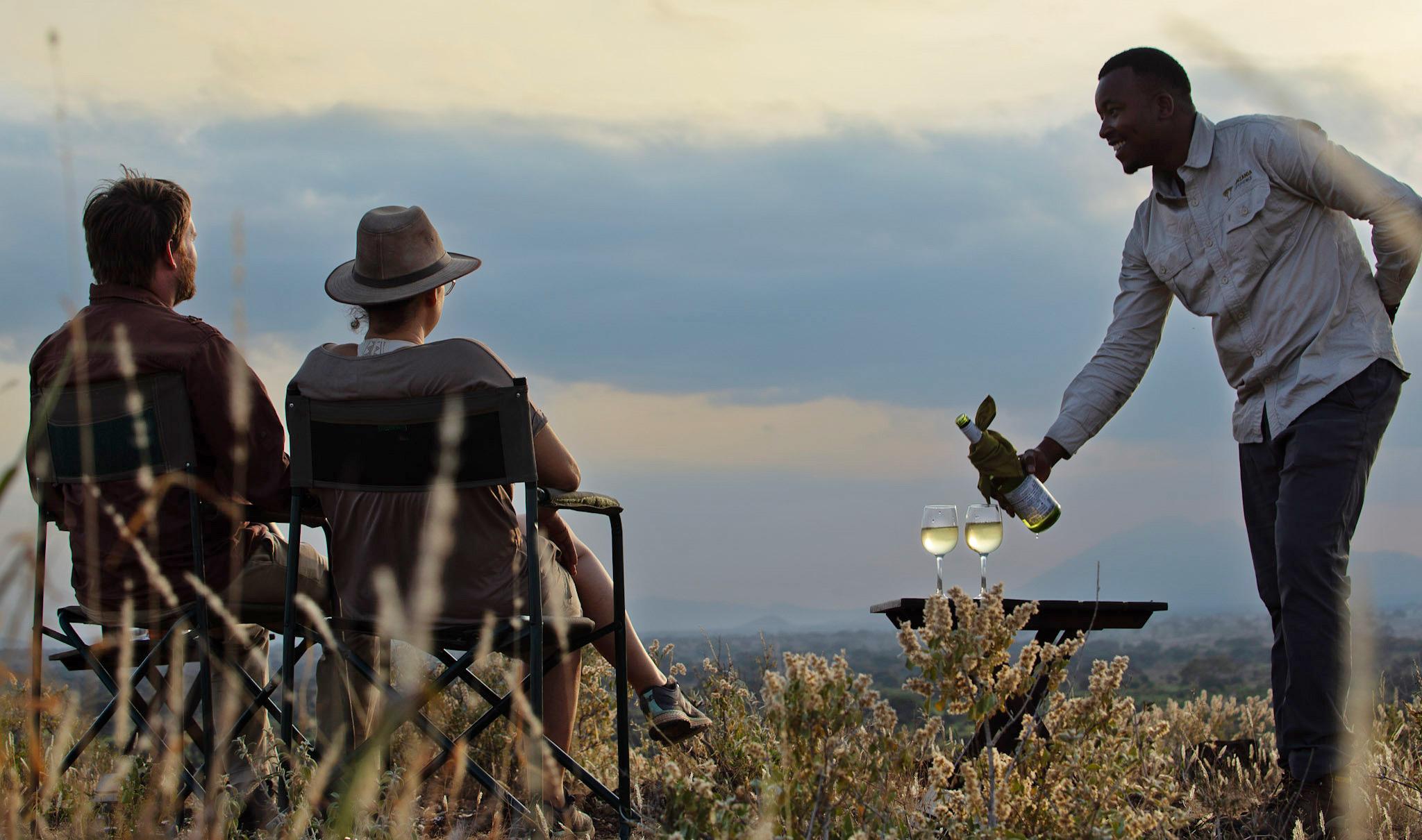
- Dining at a safari lodge, the best way to reward good service is a donation of $5 per guest/day in the communal tip box. This will be distributed to support staff as well as waiters.
When dining at restaurants is it customary to tip 10 – 15% of your bill for a waiter’s professional service. - Attentive housekeeping is often acknowledged by leaving a few dollars in the room.
- Excursions to local schools and villages can often charm guests into handing out cash and sweets. The best way to contribute to community tourism is by buying local-manufactured crafts. Cash donations are best managed by the tour operator who has access to local charities. In addition, it prevents a culture of begging.
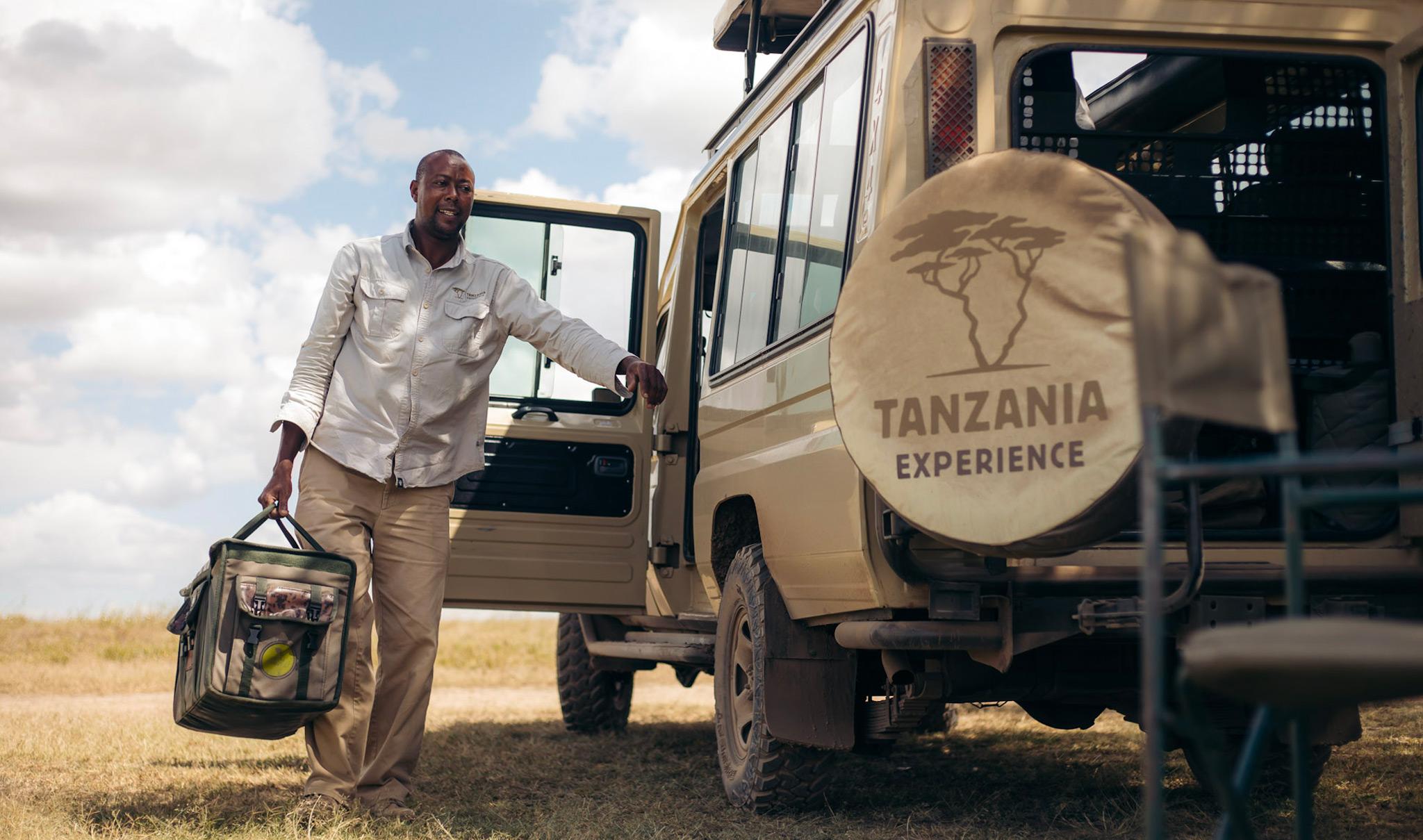
- Transfer drivers are the guys who will transport you to and from the lodge to the airport or place of departure. Enthusiasm and skilled driving may be rewarded with about $5 (per group).

No guest should feel obliged to reward poor or unprofessional service. Tipping should be a reward for enthusiasm, flair and skill and not merely for doing one’s job.
Leave a comment